Mary’s Birth: Astronomical History
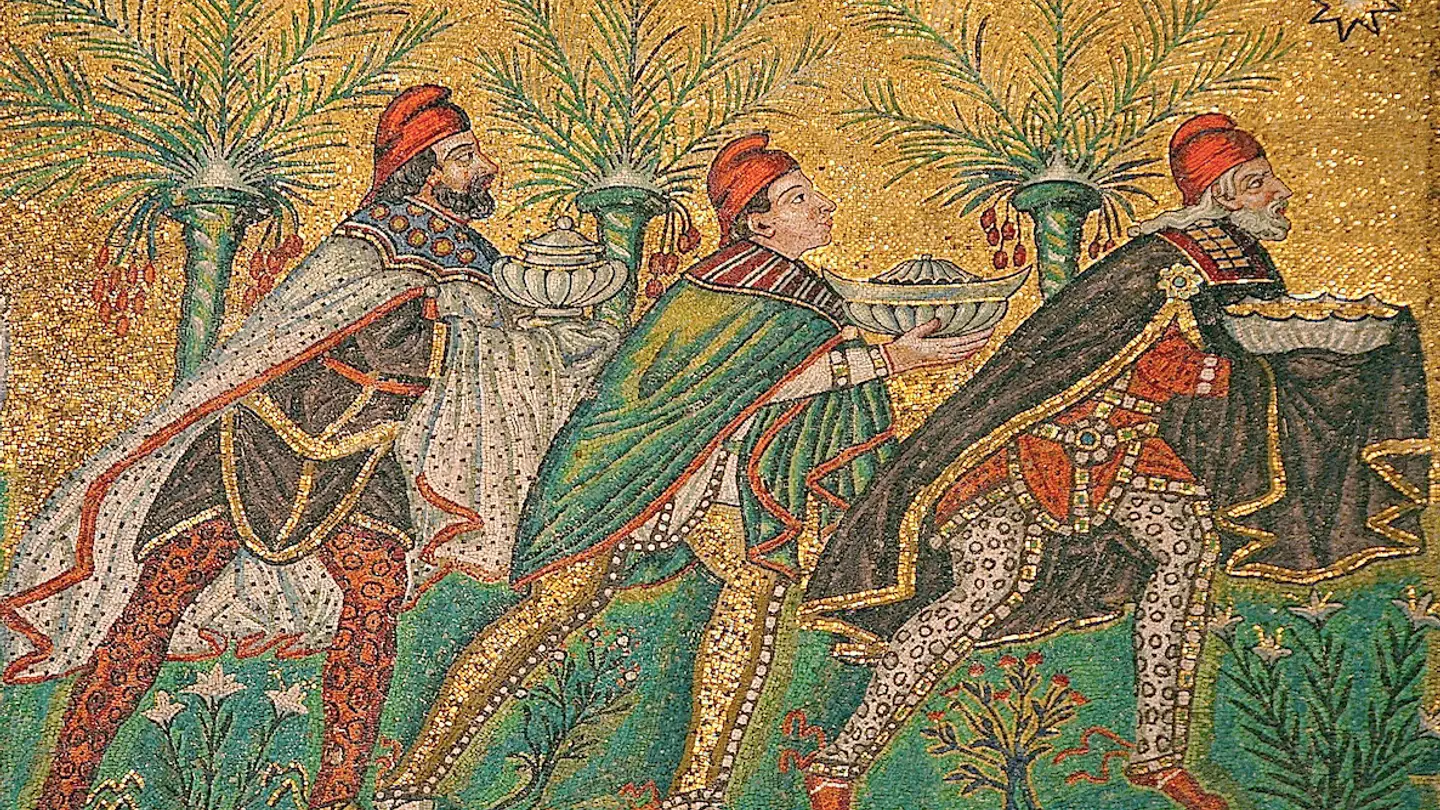
The birth of Jesus (c. 7 BC): the Star of the Magi, the census of Quirinus, and the liturgical date of December 25th
O Cometa e a Estrela dos Magos: Datação do Nascimento de Jesus
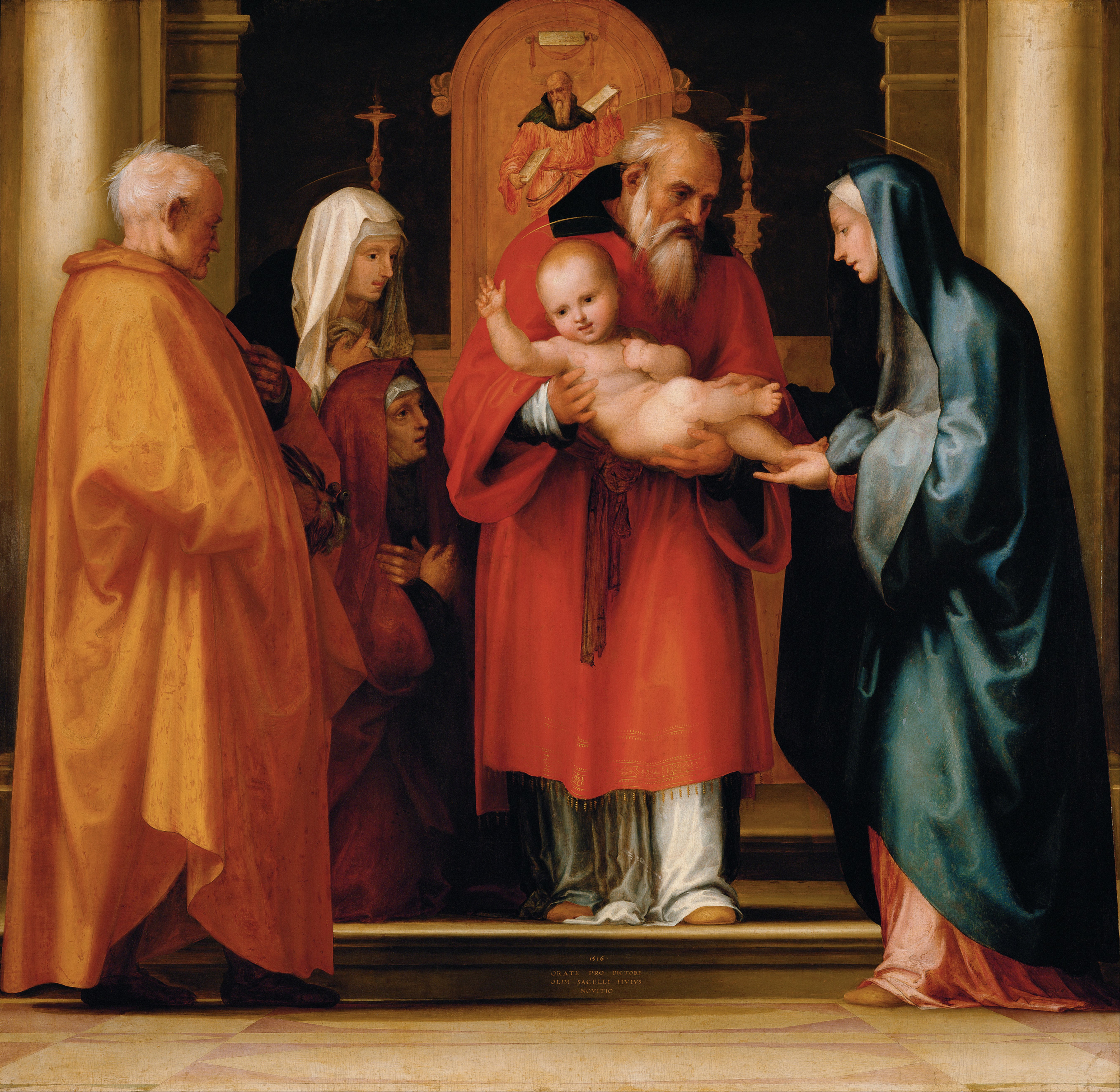
Quanto ao cometa observado pelos Magos, o ano estelar mais provável é 7 a.C. Nesse período, ocorreram vários fenômenos astrais notáveis: por volta de 12 a.C., os chineses registraram um cometa, e em 5 a.C., no Império Celeste, testemunharam a explosão de uma nova estrela. Na sabedoria chinesa, esses eventos eram interpretados como sinais do nascimento de um grande rei do Ocidente.The stellar phenomenon observed by the Magi occurred specifically in 7 B.C., when Saturn and Jupiter aligned in the background of the constellation Pisces on three occasions: May 29, September 29, and December 4. This event was confirmed by Johannes Kepler and, in the Jewish tradition, was seen as a harbinger of the birth of the Messiah.Considering that 7 B.C. coincides with the end of Quirinius’s term in Syria, where, according to Luke’s most precise chronology, a census involving Joseph and Mary took place, this year is widely accepted as the most appropriate for situating Jesus’ birth. The Magi saw the star on May 29, waited until summer, departed in September, and arrived in Judea at the end of November, seeing the star for the last time on December 4 after leaving Jerusalem.However, considering that the Magi observed the star twice but not three times, and that the Holy Family had to flee immediately after their arrival, two conclusions arise: first, they saw the first and second conjunction, which led them to Jesus; second, Jesus had already been born before the conjunctions. Indeed, as Luke reports, Mary took the Child to the Temple for purification and presentation, at least forty days after birth.Combining the census of Quirinius mentioned by Luke with the conjunction of stars, we have that Jesus was born before May 29, 7 BC, and the Magi visited Him on September 29, after which the family fled to Egypt.Although the Jewish conceptions, including the idea of the warrior Messiah and interpreter of the Law, associated with stellar light and the crushing scepter, did not exactly match the astronomical observations of the Magi, they allowed for a significant intellectual correspondence between the cultures.Regarding the date of Mary’s childbirth, Latin liturgy sets March 25 as the Annunciation to Mary, nine months before the birth of Jesus, that is, December 25. Luke describes how the angel appeared to Mary when Elizabeth was in her sixth month of pregnancy. Consequently, the birth of John the Baptist is celebrated on June 24, three months after the Annunciation and six before the Nativity of Jesus.In the Byzantine East, September 25 is considered the Annunciation to Zechariah, nine months before the birth of John the Baptist. John Chrysostom believed that Zechariah, father of John the Baptist, was high priest, following the Protoevangelium of James, and that the offering of incense mentioned by Luke was related to the Day of Atonement. Thus, the date of September 25 is explained as a calculation based on the already established date of Jesus’ Nativity.In Lk 1 5-8, we read that Zechariah belonged to the class of Abijah and that when the angel Gabriel announced his wife’s pregnancy, he was exercising his priesthood during the turn of his class. The theory suggests that the indication of Abijah’s turn dates back to an ancient Judeo-Christian tradition recorded, preserving a precise historical date in the Byzantine rite.Roger T. Beckwith supports the solution of annually interrupted priestly cycles, believing that the month of Tistri marked the beginning of each cycle. This is confirmed by the calendars found in Qumran, which used a 364-day solar calendar with an intercalation day every three months, similar to that used by Jesus for the celebration of Passover.If Abijah’s division occurred annually, Zechariah would have his turn in the second decade of November. Placing Jesus’ birth after fifteen months (in case of a common year) or six months (in case of an embolismic year), it would result in a delivery at the end of December or beginning of January, as celebrated in the East.The setting of Mary’s childbirth in a sacred cave originates from the Jewish and Judeo-Christian belief that the Divine Light can sanctify even the darkest places.By the end of the Encounter of Jesus in the Temple, described in Lk 2, 41-50, is considered a historical event by rabbis of the first century, who established twelve years as the age to begin observing the Law.Graduate Studies in Mariology
Wishing to deepen your formation in Mariology? Discover the Graduate Studies in Mariology from Locus Mariologicus, an academic formation that combines theological rigor, spiritual life, and the living tradition of the Church.
Would you like to study Mariology seriously?
This article draws on the works of the Locus Mariologicus library. The Postgraduate Programme in Mariology takes you to the same sources with academic guidance: Scripture, the Church Fathers and the Magisterium, from the first dogma to contemporary questions.
Responses