Mary in the heart of Advent anticipation for celebration
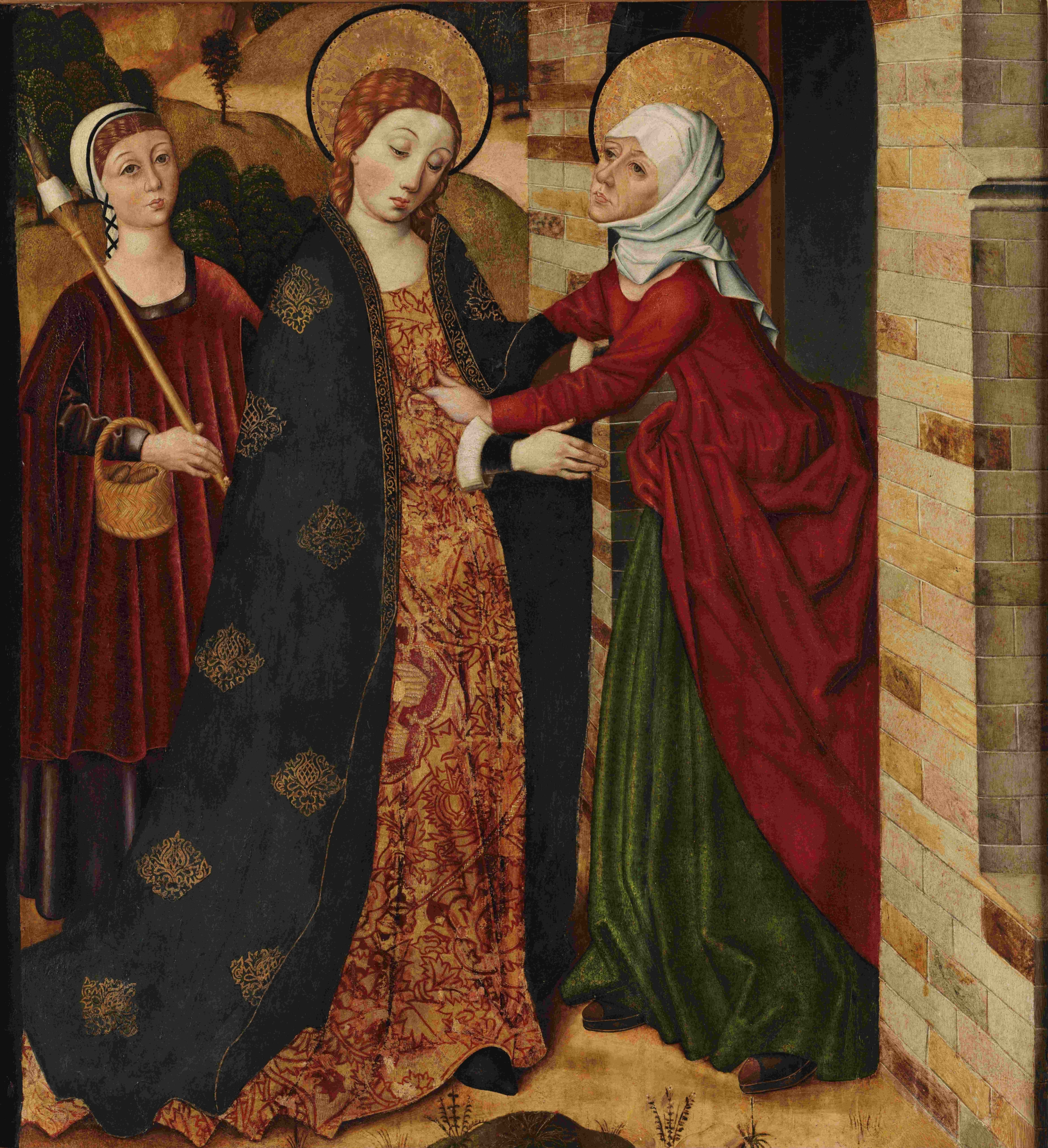
Introduction
Advent, a liturgical period of expectation and preparation, offers a unique opportunity to contemplate the figure of Mary. As the mother of Jesus, she represents a model of silent and loving waiting for all the faithful who await the coming of the Savior. This study aims to analyze the nuances of this waiting, exploring the relationship between the liturgy of Advent and Marian devotion, and how Mary connects the promise of the Old Testament to the fullness of the New.Mary and the Liturgies of Advent: A Cultic Harmony
The Liturgies of Advent highlight the harmony between messianic expectation and the celebration of the Mother of God. This liturgical balance, emphasized in the document “*Marialis Cultus*”, by Paul VI, underscores the inseparability of Marian devotion from its central point: Christ. This approach not only reinforces the importance of Christ but also recognizes Mary’s significant role in the history of salvation.The Solemnity of the Immaculate Conception: A Prefiguration of Advent
Although it may initially seem disconnected from Advent, the celebration of the Immaculate Conception of Mary resonates deeply with the themes of this period. By recalling Mary’s holiness and purity, this feast prefigures the coming of the Savior and illuminates the mystery of the Incarnation. Mary, free from sin from the beginning, symbolizes the preparation of a pure home for the Word of God.The Marian Feasts of Advent: A Crescendo in Anticipation
In the days leading up to Christmas, especially from December 17 to 24, the liturgy increases its focus on the Virgin Mary. This period highlights her central position in the celebrations of Christmas and Epiphany, revealing the symbiotic relationship between Mother and Son. The importance of Mary in the mystery of salvation is emphasized during this phase of anticipation.December 20: The Celebration of the Annunciation to Mary
The liturgy of December 20 offers a deep contemplation of the announcement by the angel Gabriel to Mary, known as the Annunciation. This day marks a crucial moment in Advent, highlighting Mary’s response to the divine plan. The readings and prayers of this day connect Mary’s figure to the promises of the Old Testament, revealing her unique role in the history of redemption.Prayer and Reflection: Mary in the Liturgy of the Hours
The prayer dedicated to the Virgin Mary in the Liturgy of the Hours during Advent reflects her deep connection with the mystery of the Incarnation. By invoking the announcement by the angel and Mary’s response, the faithful are invited to internalize the message of hope and salvation that she represents.Conclusion
The figure of Mary during Advent adds a rich and multifaceted dimension to the liturgical experience. She not only symbolizes the waiting for the Messiah but also personifies the bridge between promise and fulfillment in the history of salvation. By reflecting on Mary during this Advent period, the faithful are invited to delve deeper into the mysteries of faith and to prepare with renewed hope and joy for the birth of Christ.For a deeper exploration of mariology related to Advent and the presence of Mary, consult the Apostolic Exhortation “*Marialis Cultus*” by Pope Paul VI. It is also recommended to explore topics such as Mariology, Marian Theology, Marian Apparitions, and Postgraduate Studies in Mariology.Graduate Studies in Mariology
Wishing to deepen your formation in Mariology? Discover the Graduate Studies in Mariology from Locus Mariologicus – an academic formation that combines theological rigor, spiritual life, and the living tradition of the Church.
Would you like to study Mariology seriously?
This article draws on the works of the Locus Mariologicus library. The Postgraduate Programme in Mariology takes you to the same sources with academic guidance: Scripture, the Church Fathers and the Magisterium, from the first dogma to contemporary questions.

Responses