Presentation of the Lord or Feast of the Annunciation
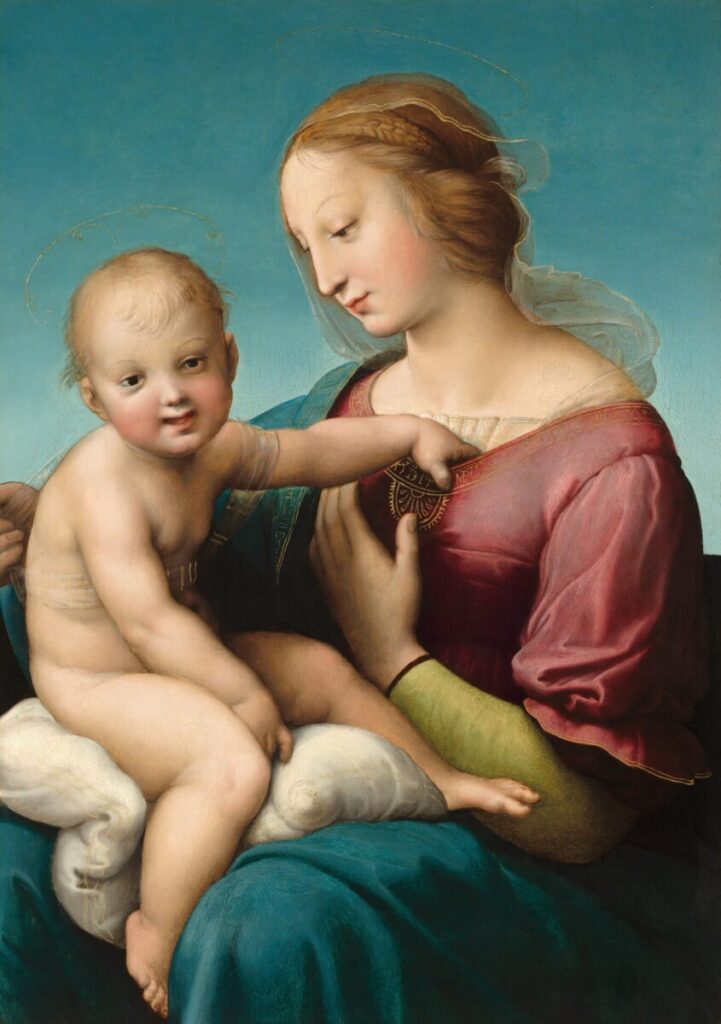
Mary in the Feast of the Presentation of the Lord
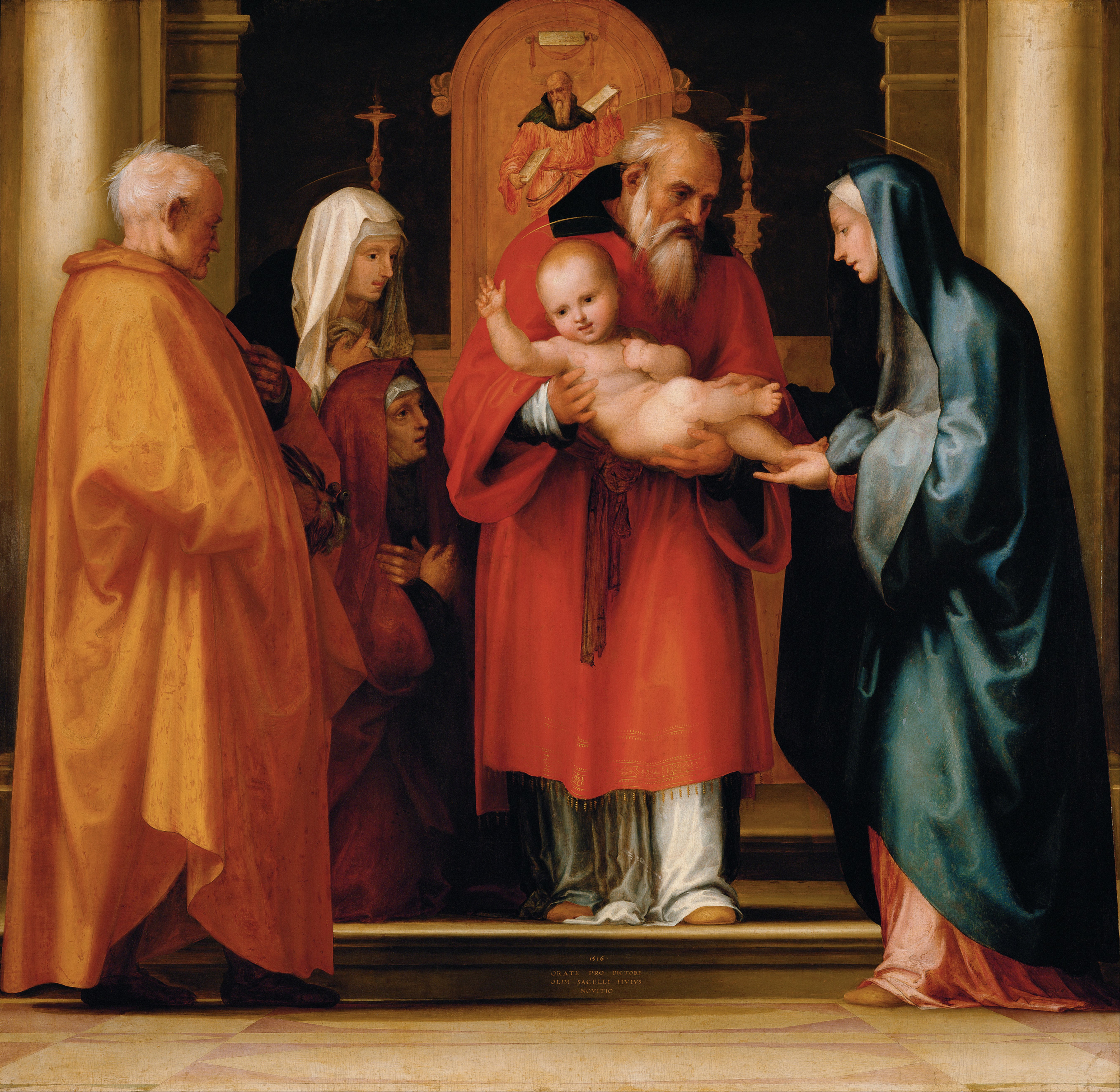
At the end of the fourth century, in Jerusalem, where Luke narrates the presentation of the child Jesus in the Temple (Luke 2:22-38), the event known as “Ipapante” (Encounter) was celebrated on February 14th, signifying the meeting between the divine and the human.The Origin of the Feast
The oldest record of this celebration is found in the pilgrimages of Egéria, a fourth-century traveler who documented her journeys to sacred sites. She describes the feast with great honor, held at the Anastasis (Church built over the Holy Sepulcher), including liturgical rites and the enthusiastic participation of priests and the bishop, who comments on the Gospel passages related to the presentation of Jesus in the Temple.Rites and Symbolism
One of the rites mentioned by Egéria was the *lucernary*, where candles lit at the Holy Sepulcher were carried in procession, symbolizing the Light of the World that emerged from darkness. This practice reflected the importance of Easter and its connection to the nativity event.Tradition and Universality
In the fifth century, the feast became known as the “Feast of the Encounter,” incorporating a procession of lit candles. In 534, Emperor Justinian made it mandatory throughout the Roman Empire, turning it into a celebration of the Universal Church.Mary in the Homily of the Ipapante Feast
The figure of Mary is often highlighted in the homilies of the feast, as seen in the work of Abraham of Ephesus (6th century), who interprets Simeon’s Oracle about the Virgin Mary. He states that the prophetic words foretell the wonders accomplished through Mary at the Cross and her perpetual virginity.Homily of Sophronius of Jerusalem
Sophronius of Jerusalem (d. 638) also dedicates a homily to this feast, emphasizing Mary’s role as the bearer of divine light that dispels darkness. He encourages the faithful to carry their “candles” (symbolically, their faith and devotion) to encounter Christ, the true light.Troparium and Kontakion
The Byzantine liturgical texts for this feast include the *Troparium* and the *Kontakion*, both praising Mary and Simeon. The *Troparium* exalts the grace and divine motherhood of Mary, while the *Kontakion* focuses on Christ as the sole salvation for humanity.Evolution of the Celebration
In the seventh century, the feast gained popularity in Rome, adopting the Greek name “Ipapante.” The Jewish practice of purification after childbirth influenced the name “Purification of Mary” in medieval France. The Roman liturgy incorporated unique Marian antiphons for this procession and celebration, highlighting Mary’s presence and role in the mystery of the Presentation of the Lord.For a deeper understanding, consult the Apostolic Exhortation *Marialis Cultus* by Paul VI, which addresses the importance of Mary in the liturgy and in the life of the Church.Graduate Studies in Mariology
Desire to deepen your formation in Mariology? Discover the Graduate Studies in Mariology from Locus Mariologicus – an academic formation that combines theological rigor, spiritual life, and the living tradition of the Church.

Responses