The Presentation of the Lord: History, Mariology, and Liturgical Tradition
The Presentation of the Lord: An Ancient Mariological Celebration
The celebration of the Presentation of the Lord, scheduled for February 2nd, is one of the oldest feasts in the Christian liturgical calendar. In this episode of the Mariology Podcast, Professor Daniel Afonso explores the history of this celebration from its roots in Jerusalem to its implementation in Rome, highlighting how the Presentation of the Lord is simultaneously a feast of Christ and a feast of Mary.The Biblical Account: Luke 2, 22-40
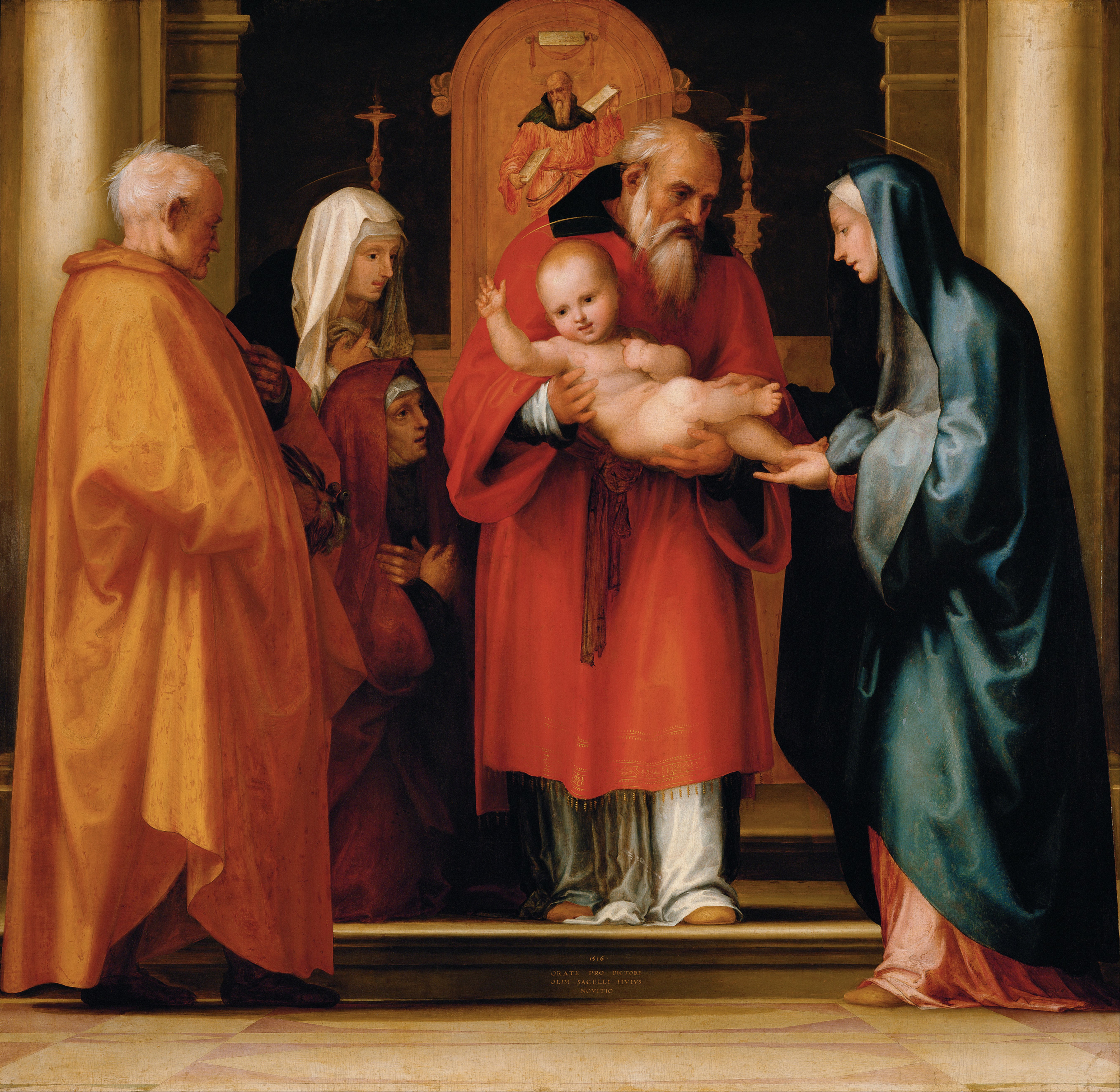
The basis for the Presentation of the Lord lies in Luke’s account of the purification of Mary and the presentation of Jesus in the Temple of Jerusalem. Forty days after His birth, according to the Law of Moses, Joseph and Mary bring the Child to the Temple, where they offer a pair of doves or young pigeons (Luke 2:24). There, they meet Simeon, a righteous and devout man who was awaiting the consolation of Israel, and Anna, daughter of Phanuel, a prophetess who never left the Temple. This event summarizes the encounter between the old and new covenants.Origins in Jerusalem and Egeria’s Pilgrimage
The oldest testimony about the liturgical celebration of the Presentation of the Lord is found in *Egeria’s Pilgrimage*, an account by a Hispanic pilgrim from the 4th century who visited Jerusalem. Egeria describes the feast on the fortieth day after Epiphany as a celebration of great joy, comparable to Easter. Priests preached and the bishop commented on the Gospel in which Joseph and Mary bring Jesus to the Temple, meet Simeon and Anna, and offer the sacrifice prescribed by the Law.The testimony of Egeria is valuable because it reveals a Christian community that, in the fourth century, already linked the Presentation of the Lord to the Paschal tradition of the Church of Jerusalem. The celebration included public sermons and the Eucharist, uniting word and sacrament in a single liturgical action.Simeon and the Sword in Mary
In the narrative of the Presentation of the Lord, Simeon takes the Child in his arms, proclaims the canticle *Nunc dimittis* (“Now, Lord, you let your servant go in peace”, Luke 2:29-32), and prophesies: “A sword will pierce your own soul” (Luke 2:35). This word of Simeon is considered a foundational text for the mariological reflection on Mary’s compassion and her participation in the redemptive suffering of the Son.The patristic and medieval tradition interpreted this sword as the sign of the sorrow that Mary experienced throughout Jesus’ life, culminating in the Cross. Thus, the Presentation of the Lord anticipates the Passion, with the encounter in the Temple between Simeon and the Holy Family casting a solemn shadow over the joy of Christmas.### Ana, Daughter of Fanuel: The Feminine Prophetic TestimonyAlongside Simeon, the Gospel presents Ana, daughter of Fanuel, of the tribe of Asher. An eighty-four-year-old prophetess described as “who never left the Temple, serving God with fastings and prayers night and day” (Luke 2:37), she speaks of the Child to all who awaited the redemption of Jerusalem. The presence of Ana in the narrative highlights the feminine prophetic dimension in the history of salvation, parallel to Mary, who is also a figure of the Church that waits and welcomes.### The Feast in Rome: Pope Sergius I and Saint Mary MajorThe Presentation of the Lord reached the Latin West in the seventh century, brought by Pope Sergius I (687-701), of Eastern origin. He introduced the candle procession, keeping the Greek name *Hypapante* (encounter). The procession went to Santa Maria Maggiore, the first basilica dedicated to Our Lady in the Latin West, uniting the celebration of the Son with Roman Marian devotion.Daniel Afonso highlights that the choice of Santa Maria Maggiore as the destination of the procession is not random. The Presentation of the Lord is a feast of Christ that necessarily passes through Mary: she leads the Son to the Temple, hears Simeon’s prophecy, and intercedes for the people gathered in the candle procession. Rome knew how to capture this inseparability and engrave it in the stone of its oldest Marian basilica.The Candle Procession and Its Mariological Dimension
The candle procession, characteristic of the Presentation of the Lord, has roots in the Jerusalem liturgy and Greek tradition. When it arrived in Rome with Pope Sergius I, it integrated into Western Marian spirituality. The lit candles symbolize Christ, “a light to enlighten the nations” (Luke 2:32), carried in Mary’s arms, just as a priest carries the host. As the feast spread throughout the Latin Church, its Mariological dimension became more evident, giving rise to the popular name *Candelaria* and reinforcing the link between the Purification of Mary and the Presentation of Her Son.A Mariological Feast at the Heart of the Liturgical Year
The Presentation of the Lord holds a unique place in the liturgical year: it concludes the Nativity cycle and opens Ordinary Time, reminding us that Christian faith is not merely devotion to the Child but a journey that passes through the cross. For Mariology, this feast is of extreme importance, as it shows Mary not only as a mother who cares but as a woman who obeys the Law, welcomes the word of prophecy, and accompanies the Son to the heart of the paschal mystery.The Podcast of Mariology invites listeners to rediscover the theological richness of the Presentation of the Lord and all the feasts of the Lord in which Mary is present. For a more in-depth study, the Locus Mariologicus offers the *Postgraduate Degree in Mariology*, the only program in Portuguese dedicated to systematic reflection on the Virgin.Graduate Studies in Mariology
Wishing to deepen your formation in Mariology? Discover the Graduate Studies in Mariology from Locus Mariologicus – an academic formation that combines theological rigor, spiritual life, and the living tradition of the Church.
Would you like to study Mariology seriously?
This article draws on the works of the Locus Mariologicus library. The Postgraduate Programme in Mariology takes you to the same sources with academic guidance: Scripture, the Church Fathers and the Magisterium, from the first dogma to contemporary questions.

Responses