Wind and fire: Acts 2, 1 Cor 12, and the Spirit’s gift in Jn 20, Pentecost

Vento e Fogo: Uma Reflexão sobre o Dom do Espírito Santo no Domingo de Pentecostes
Citações Bíblicas:
- Jo 20,22-23: “Aceitem o Espírito Santo. Se perdoarem os pecados a alguém, serão perdoados; se os retiverem, serão retidos.”
- At 2,1-11: Descreve o evento de Pentecostes, onde o vento impetuoso, línguas de fogo e falar em línguas diferentes preenchem a casa onde os discípulos estavam reunidos.
- 1Cor 12,3b-7.12-13: Apresenta a teologia do Espírito Santo como um único Espírito que distribui dons diversos a cada membro da Igreja, formando um corpo único.
Introdução:
The Feast of Pentecost celebrates the gift of the Holy Spirit, which culminated the redemptive work of Christ and marked the beginning of the universal mission of the Church. The three biblical texts – Acts 2, 1 Corinthians 12, and Jn 20 – offer different perspectives on this same gift, shedding light on its historical, theological, and paschal nature.
I. Vento e Fogo: A Primeira Leitura (Atos 2,1-11)
On the day of Pentecost, all the disciples were gathered in the Cenacle. Suddenly, a strong wind came from heaven, filling the whole house. Tongues of fire appeared and rested on each one of them, and they were filled with the Holy Spirit, speaking in different tongues as the Spirit granted them. The listeners, mostly Jews from various nations, recognized the words spoken in their own native languages, understanding the wonders of God.
This event represents the reversal of the linguistic confusion of Babel: where diversity led to dispersion, the Holy Spirit unites peoples in listening and understanding the divine wonders. The universal mission of the Church begins here, in the unity that transcends diversity.
II. Vento e Fogo: A Segunda Leitura (1 Coríntios 12,3b-7.12-13)
Paul, in his letter to the Corinthians, develops the theology of the Holy Spirit. He asserts that no one can say “Jesus is Lord” without the action of the Holy Spirit. The Spirit is the agent of faith and unity in the Church.
He describes the diversity of spiritual gifts (such as prophecy, tongues, interpretation of tongues) and emphasizes that this diversity does not divide but unites: “There are diversities of gifts, but the same Spirit; diversities of ministries, but the same Lord; diversities of operations, but the same God who works all in all” (1 Corinthians 12:4-6).
The image of the human body is used to illustrate this unity in diversity: just as one body has many members, each with distinct functions, so too the Church, a single body, is composed of diverse members, each contributing to the common good.
III. Vento e Fogo: O Evangelho (João 20,19-23)
John narrates Jesus’ encounter with the disciples on Easter evening after his resurrection. Jesus appears with the doors locked, brings peace, and shows his wounds. As he breathes on them, he says: “Receive the Holy Spirit. Whose sins you forgive are forgiven; whose sins you retain are retained.”.
John places this gift of the Holy Spirit on the night of the resurrection, without making an explicit distinction with Pentecost. For John, the breath of Jesus evokes the creation of humanity in Genesis 2:7, where God breathed life into Adam. Just as Jesus recreated humanity through the breath of the Spirit, he sends his disciples on the mission to forgive sins.
IV. Vento e Fogo: Maria e o Pentecostes da Igreja
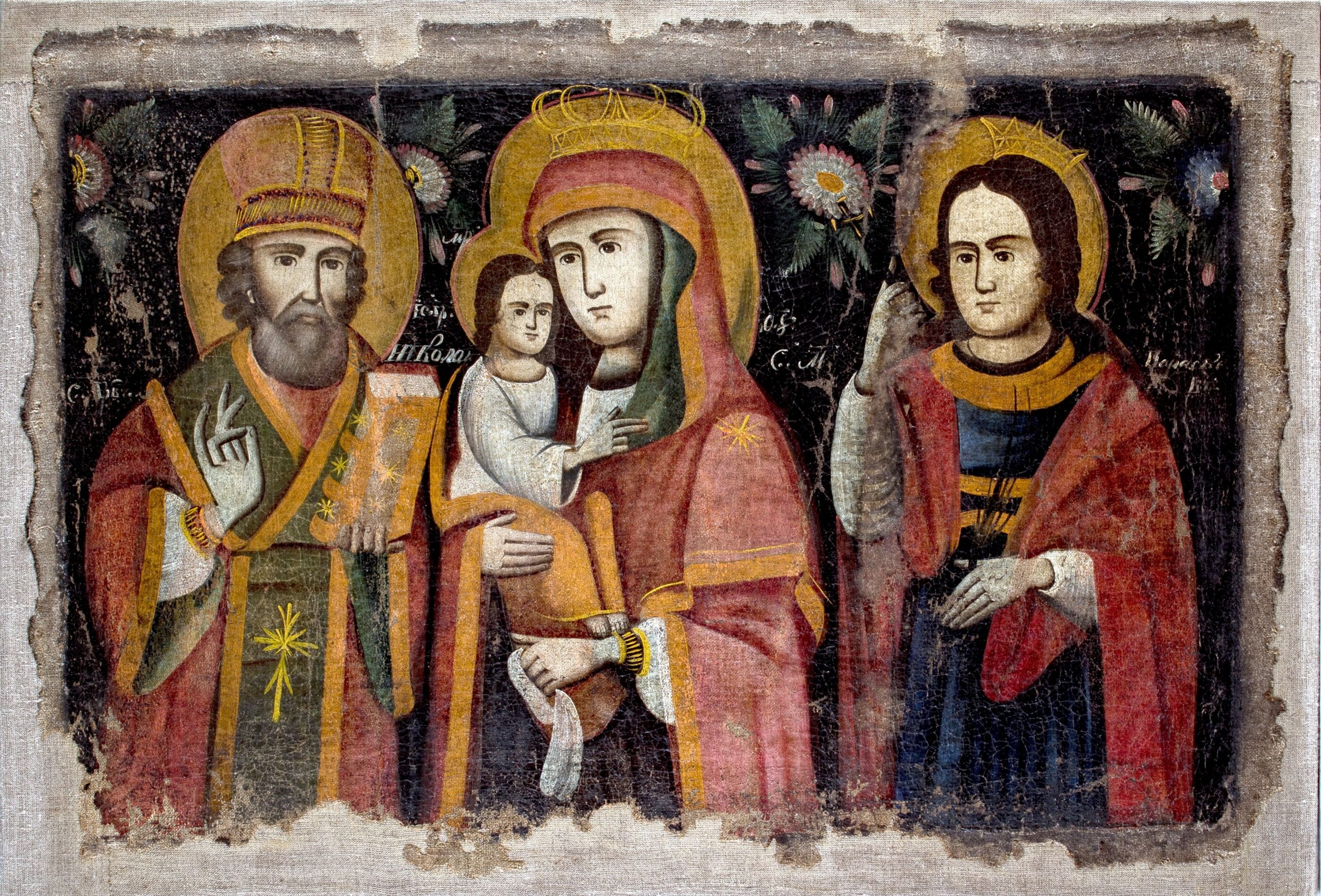
Mary was present in the Upper Room during the event of Pentecost, described in Acts 2. As the first woman mentioned among the disciples (Acts 1,14), she represents the entire Church in receiving this divine gift.
The Annunciation, where Mary received the Holy Spirit to conceive Jesus, is seen as a foreshadowing of Pentecost: just as the Spirit formed the Son in Mary’s womb, at Pentecost He forms the Body of Christ, the Church, within the Cenacle, where Mary presides.
Mary, as the closest member to Christ, received the highest gift: being the Mother of the head of the body. At Pentecost, she does not receive the Spirit for the first time, but introduces the children to the inheritance that has already been given to her. The “wind and fire” of Pentecost find in her praying presence the heart of the nascent Church.
Graduate Studies in Mariology
Wishing to deepen your formation in Mariology? Discover the Graduate Studies in Mariology from Locus Mariologicus – an academic formation that combines theological rigor, spiritual life, and the living tradition of the Church.
Would you like to study Mariology seriously?
This article draws on the works of the Locus Mariologicus library. The Postgraduate Programme in Mariology takes you to the same sources with academic guidance: Scripture, the Church Fathers and the Magisterium, from the first dogma to contemporary questions.

Responses