Holiness and Marian devotion
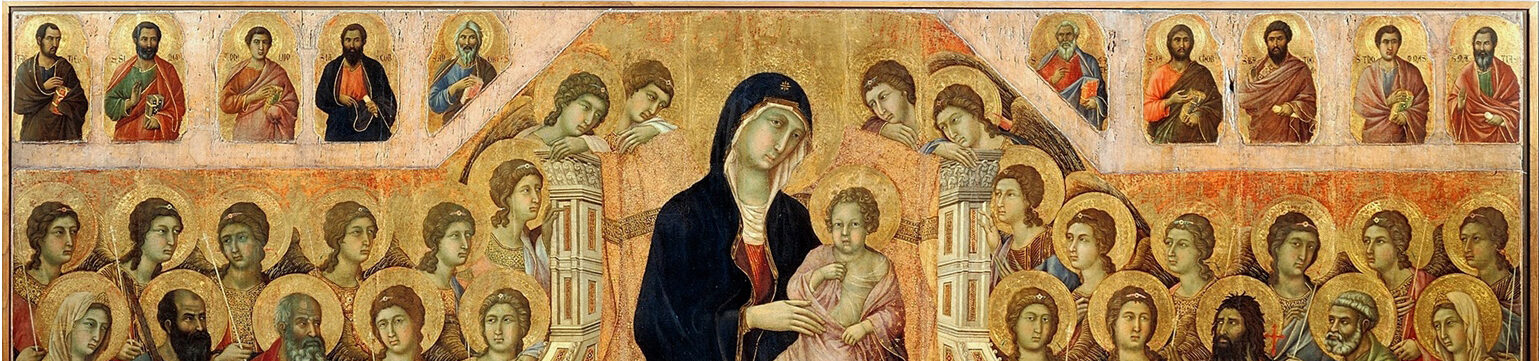
«Cheia de graça» (Lc 1,28): A Santidade de Maria como Panagia na Tradição Bíblica e Patrística
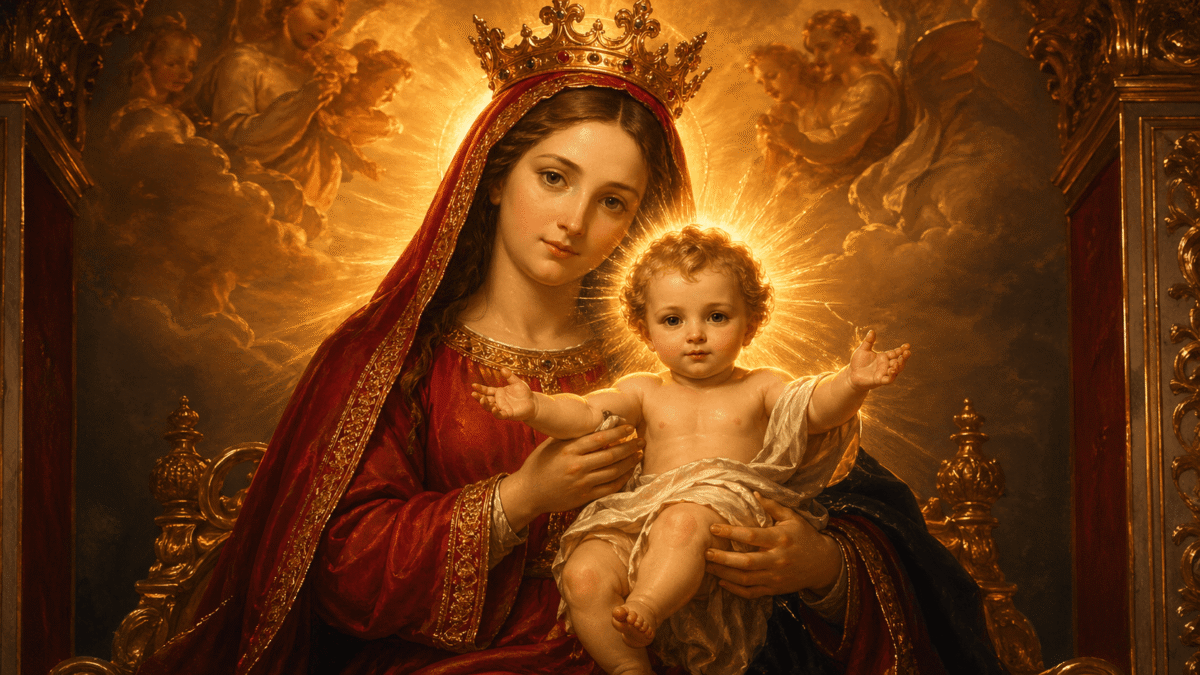
Maria foi chamada pelo Anjo com a expressão “cheia de graça” (Lc 1,28). Essa expressão se refere à mãe de Jesus, o Filho Santo de Deus. Como Imaculada e Mãe do Filho de Deus encarnado, Maria é toda santa, a Panagia. Desde as páginas bíblicas até os escritos dos Padres da Igreja, passando pelas catedrais medievais e pinturas famosas, bem como pelas reflexões de teólogos e mestres espirituais, Maria é celebrada como a mulher elevada pela Trindade Santa às mais altas formas de perfeição evangélica, através de sua humildade e modéstia.Devoção Mariana: Uma Inspiração para a Santidade
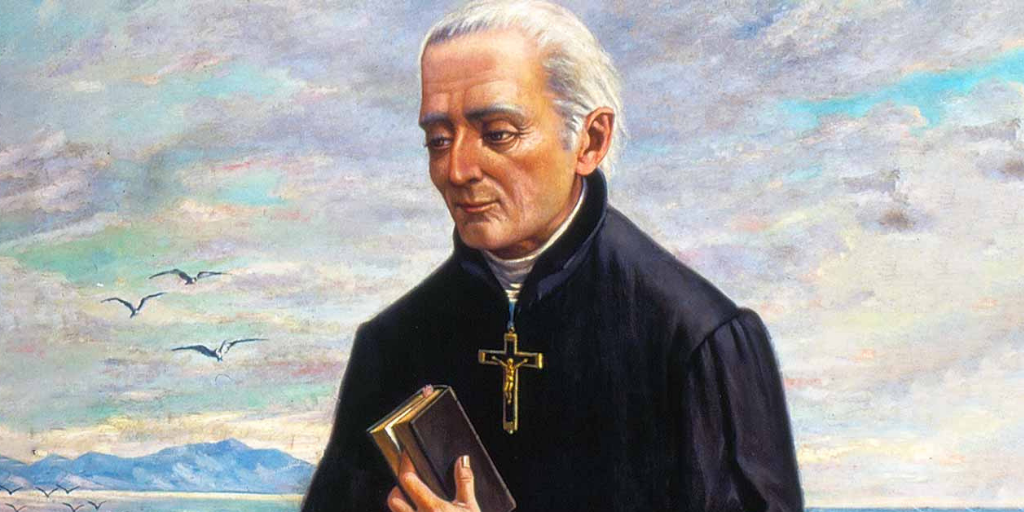
– Imaculada Conceição e São Maximiliano Kolbe: O dogma da Imaculada Conceição destaca a plenitude de graça concedida a Maria. Os santos, como São Maximiliano Kolbe, encontraram inspiração na devoção mariana para viver uma vida santa e martirial. Para Kolbe, a Imaculada é o ápice do amor da criação que retorna a Deus.Vatican II and Mariology: The Second Vatican Council, in its Constitution on the Church (LG 66-67), describes Mary as the archetype of the human response to the divine mystery. Her holiness is marked by the Immaculate Conception, revealing a total surrender to the divine will and reflecting the glory of God.Maria as Teacher and Model: Mary serves as a teacher, educator, guide, and model of Christian and consecrated life. Her testimony inspires the faithful to live out their faith fully and to follow the path of the cross to attain resurrection and full life in God.Additional Resources:
– Explore Mariology and Marian Theology for a deeper understanding. – Study the Marian apparitions and their influence on devotion. – Consult the Apostolic Exhortation “Marialis Cultus” by Pope Paul VI for reflection on the connection between holiness and Marian devotion.Graduate Studies in Mariology
Desire to deepen your formation in Mariology? Discover the Graduate Studies in Mariology from Locus Mariologicus, an academic formation that combines theological rigor, spiritual life, and the living tradition of the Church.
Would you like to study Mariology seriously?
This article draws on the works of the Locus Mariologicus library. The Postgraduate Programme in Mariology takes you to the same sources with academic guidance: Scripture, the Church Fathers and the Magisterium, from the first dogma to contemporary questions.
Responses