Pope Pius IV and the Tridentine Creed – Bull *Injunctum Nobis* (Pontifical Doctrine of Pope IV, nos. 166-167)
Pio IV (1559-1565) as Pope who Concluded the Council of Trent and Promulgated the Tridentine Profession of Faith, a key symbol of the Counter-Reformation, which includes an explicit Marian clause. The Bull Iniunctum Nobis (November 13, 1564), which publishes this Profession of Faith, is one of the most important Marian documents of the 16th century.
The Tridentine Profession of Faith and MaryThe Tridentine Profession of Faith, required of all bishops, priests, theology professors, and converts to Catholicism, includes a mandatory Marian clause. This clause summarizes the Mariology position of Trent in three affirmations:
| Collection | Pontifical Doctrine IV: Marian Documents, nn. 166-167 |
| Pope | Pio IV (1559-1565) |
| Document | Bull Iniunctum Nobis, November 13, 1564 |
| Topic | Tridentine Profession of Faith, mandatory Marian clause |
- Canonicity of Scriptures about Mary: Biblical texts about Mary are canonical and inspired scripture, not pious legends.
- Apostolic Tradition about Mary: Apostolic tradition regarding Mary’s divine motherhood and perpetual virginity is binding, not negatable in the name of sola Scriptura.
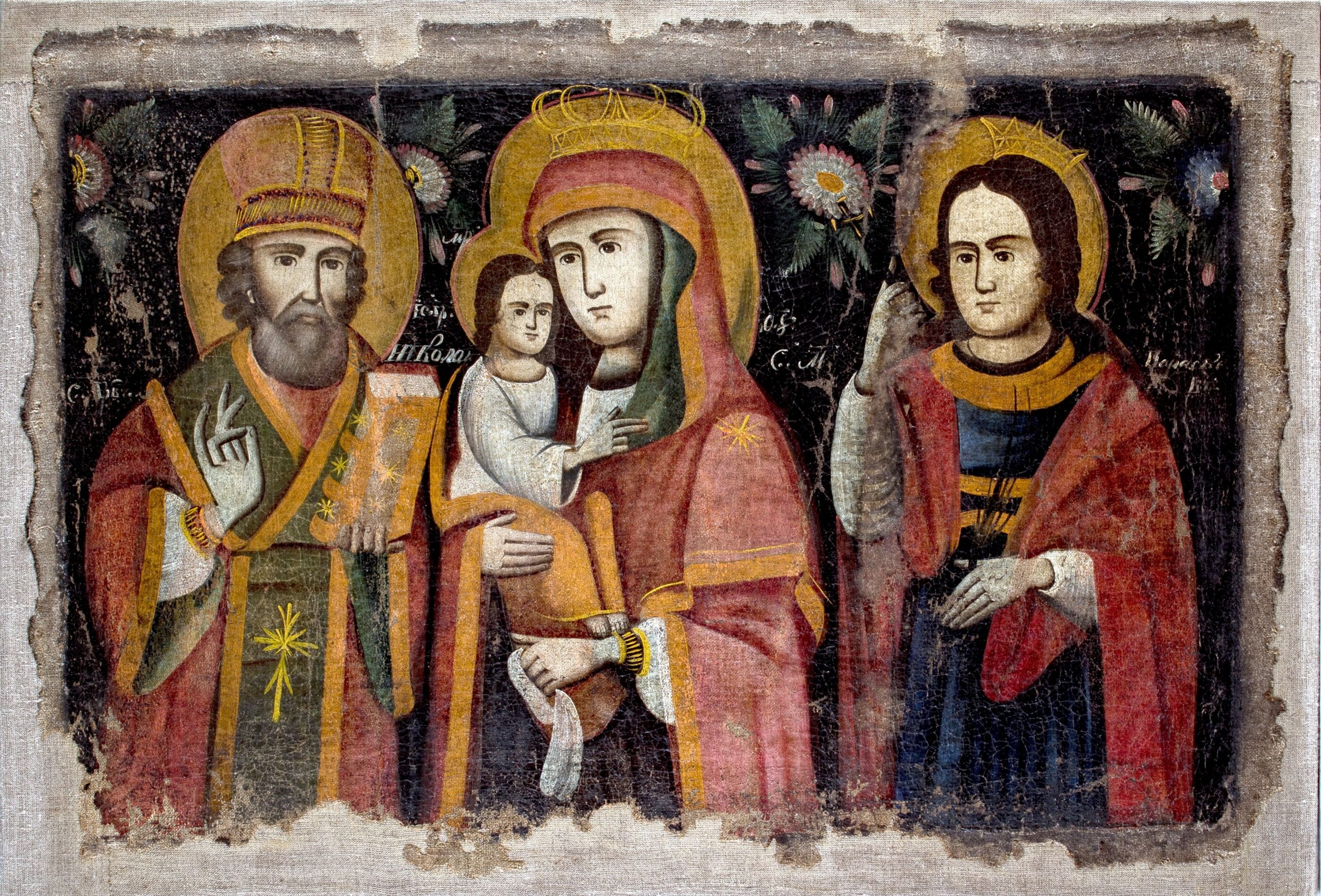
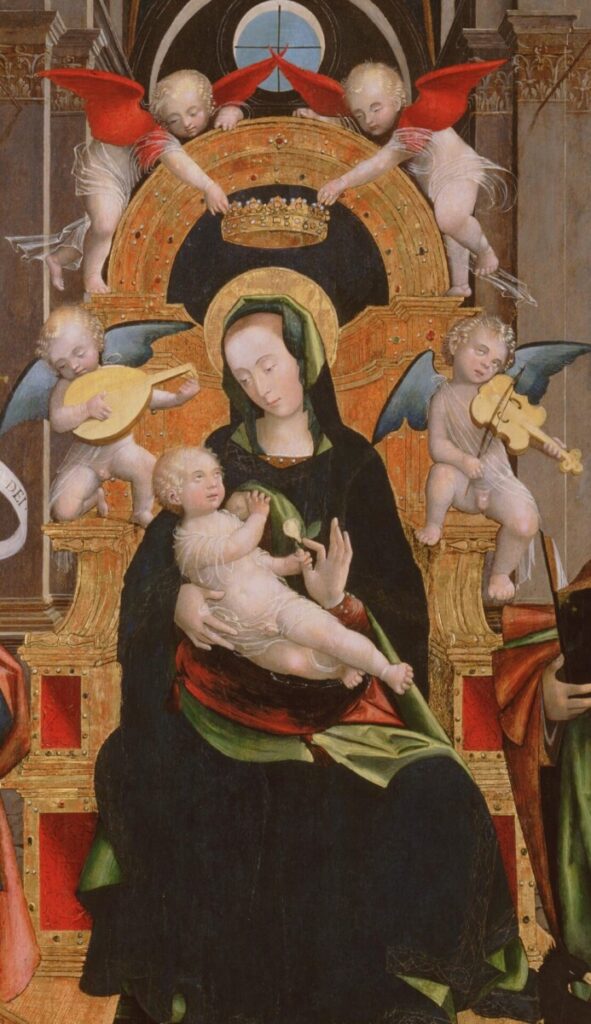
- Legitimate Veneration of Mary: Veneration of Mary, her relics, and her images is legitimate and laudably Christian, against Protestant iconoclasm.
Graduate Studies in Mariology
Wishing to deepen your formation in Mariology? Discover the Graduate Studies in Mariology from Locus Mariologicus – an academic formation that combines theological rigor, spiritual life, and the living tradition of the Church.


Responses