Prayer and mystical life in the school of Mary
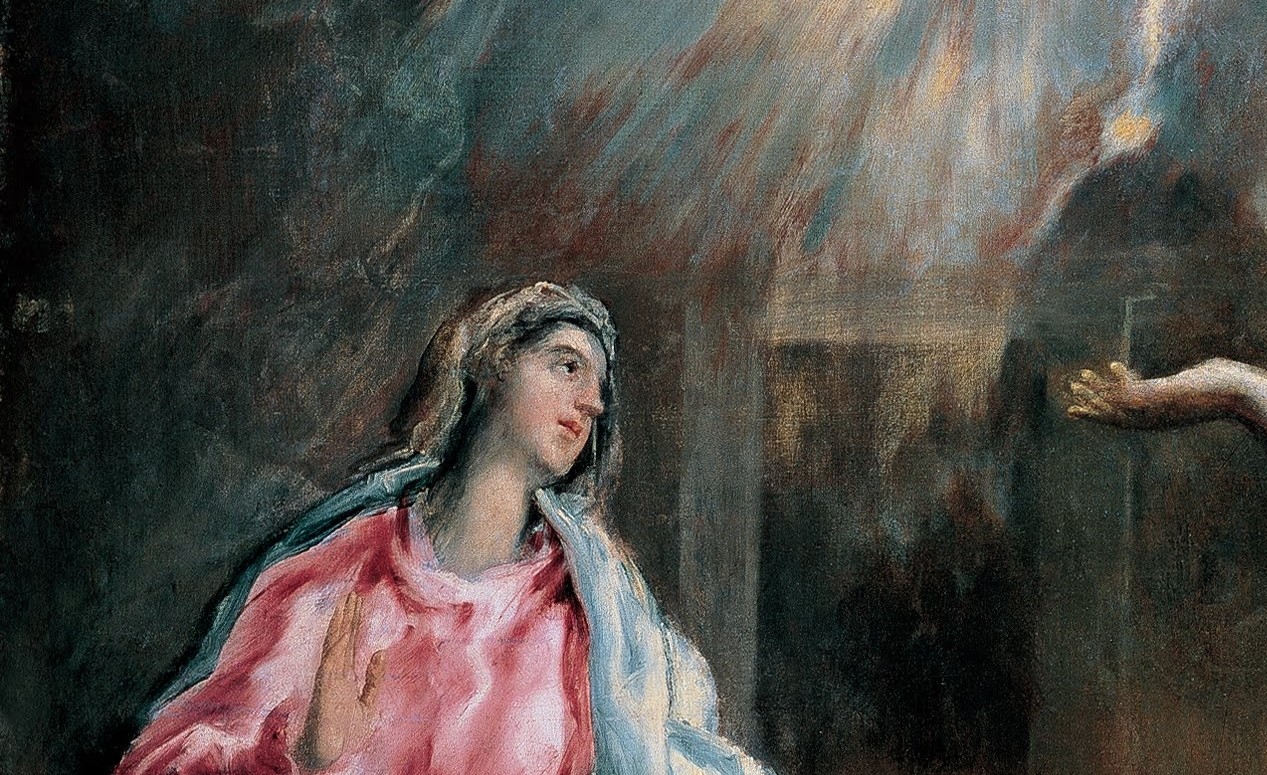
The figure of Mary, the Mother of Jesus, has been a source of inspiration and guidance for Christians throughout the centuries. Her life and spiritual profile offer a wealth of insights into prayer, mysticism, and authentic Christian living. In this text, we explore the existential depth of communion with Mary and how her spirituality can enrich the practice of prayer and the mystical experience in the contemporary world.
O Perfil Espiritual de Maria
The Virgin Mary is presented in the Scriptures as a model of holiness and communion with God. Her spiritual profile reveals several notable dimensions:
Prayer and Contemplation: Mary is described as a woman of deep faith and constant prayer. In the Gospel of Luke, we see Mary visiting Elizabeth, her relative, and praying with humility and love (Luke 1:46-55). This scene illustrates Mary’s contemplative nature and her connection to the divine.
Conformity to Christ: Christian doctrine emphasizes that Mary is the “Mother of God” (Theotokos), but it also highlights her humility and conformity to God’s will. Her unconditional “yes” to the divine plan, expressed in Luke 1:38, demonstrates extraordinary obedience and faith.
Trinitarian Communion: Mary is seen as having a unique relationship with the Trinity. She is the “Theological Tablet,” written by God’s will in her heart (Byzantine Office of the Dormition). This metaphor suggests a deep and intimate communion with the Father, the Son, and the Holy Spirit.
A Mística Cristã e Maria
The Christian mysticism refers to the direct and intimate experience of God, often described as a state of higher union or communion with the divine. Here are some ways in which Mary’s spirituality connects to and contributes to Christian mysticism:
Passivity and Transparency: Christian mysticism often emphasizes the importance of passivity and transparency before God. Mary, in accepting God’s plan without resistance, demonstrates this dimension. Her silent “yes” is an act of complete surrender, allowing divine grace to work in her life.
Communion and Imitation: The relationship of Mary with Christ is exemplary. The monk of Mount Athos expressed the idea that “the life of Mary is my life” (that is, life in Christ through Mary). This imitation does not imply merely following her steps but also living her spiritual essence, reflecting the feelings of Christ and of Mary.
Presence and Indwelling: Montfort’s doctrine of the “mold” suggests that Mary shapes our life into the image of Christ. In a mystical dimension, we can say that Mary is present within us through the Holy Spirit, guiding us toward likeness with her Son. This presence is a form of divine indwelling, where the Trinity dwells in us.
A Vida de Oração e Serviço
A vida de Maria serve como um modelo para a oração e o serviço:
Constant Prayer: Mary prayed without ceasing, as described by Saint Luke. This practice of continuous prayer is encouraged in the Christian tradition as a way to maintain a living connection with God.
Service and Humility: Mary’s visit to Elizabeth demonstrates her spirit of service and humility. She does not seek attention or honor but approaches with love and generosity. This act of service is a reflection of Christ’s humble nature, who washed the feet of the disciples (Jn 13).
Fidelity and Commitment: Mary’s life is a testament to unwavering fidelity to God’s plan. Her initial “yes” and her constant presence beside Jesus during his life, death, and resurrection demonstrate a deep commitment to the divine will.
Conclusão
In the third millennium, the Church invites Christians to immerse themselves in the grace and commitment of prayer, finding in Mary a sure guide. Her spirituality offers a balanced vision of Christian mysticism: a life of deep prayer, Trinitarian communion, and selfless service. By exploring the richness of Mariology and Marian Theology, the faithful can deepen their understanding of prayer and mystical experience, living according to the spirit of Mary and finding truth and life in Christ.
Graduate Studies in Mariology
Would you like to deepen your formation in Mariology? Discover the Graduate Studies in Mariology from Locus Mariologicus, an academic formation that combines theological rigor, spiritual life, and the living tradition of the Church.
Would you like to study Mariology seriously?
This article draws on the works of the Locus Mariologicus library. The Postgraduate Programme in Mariology takes you to the same sources with academic guidance: Scripture, the Church Fathers and the Magisterium, from the first dogma to contemporary questions.
Responses