The Magisterium: a service to the piety of the Christian people
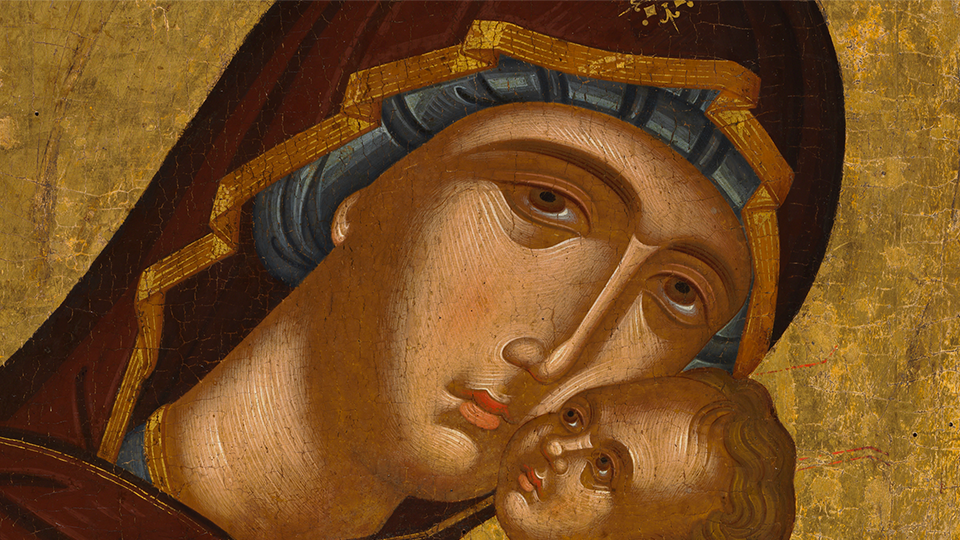
The Charism of Ecclesial Service and the Veneration of MaryIntroduction
The Magisterium of the Catholic Church, rooted in the charism of ecclesial service, is a fundamental pillar in guiding Marian piety and the Christian people. This charism transcends tradition, expressing living service to the community of faith, shaped by history and the secular experience of the Christian faith.The Magisterium and Historical Transformations
With awareness of profound historical transformations, social and cultural changes, as well as the evolution of postmodern men and women, the Magisterium faces these challenges with courage and conviction. The changes affect not only society in general but also directly impact the core of Christianity, demanding a relevant and authentic response from the Church.Doctrine, Worship, and Devotion to Holy Mary
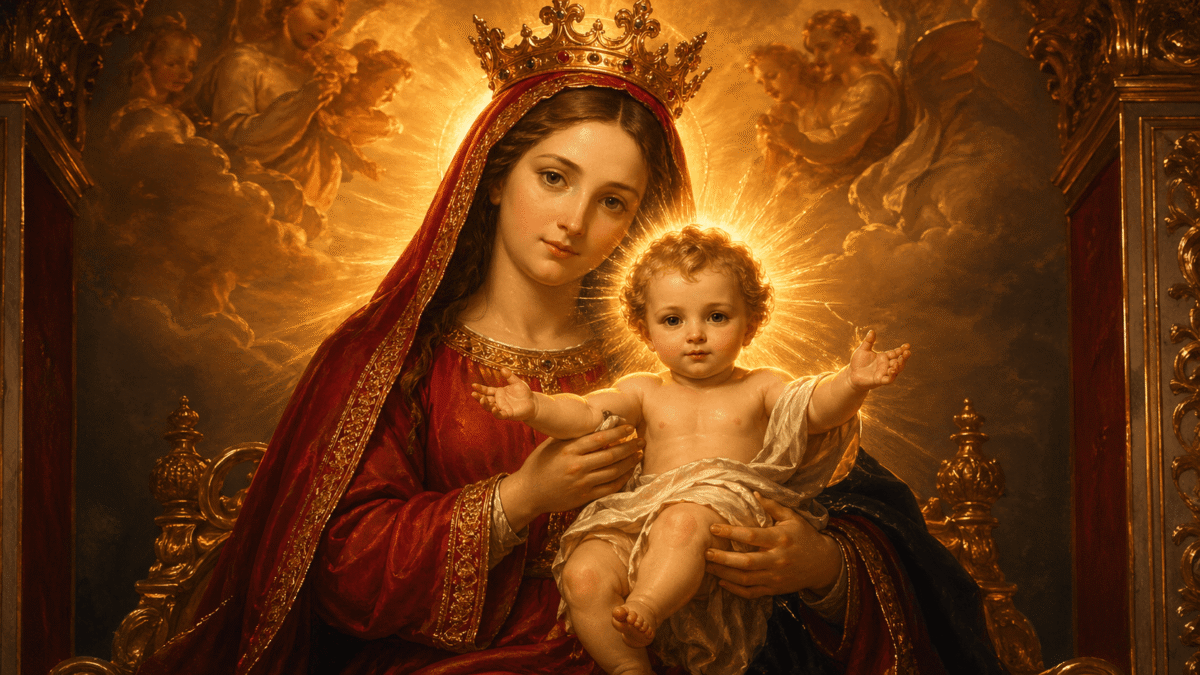
The doctrine, worship, and devotion to Holy Mary, mother and servant of the Lord, stand out in this dynamic context. Mary, seen as the eschatological icon of the Church, becomes a central figure in expressing and qualifying genuine veneration for the community of Christ’s disciples. Marian piety is intrinsically linked to the essence of the Christian faith and the life of the Church.The Office of Teaching: *Munus* of the Bishopal College
The office of teaching, invested with authority and authenticity in the name of the Lord, is a *munus* peculiar to the college of bishops and to each bishop individually, in communion with the Bishop of Rome. This pastoral service is ensured by the continuous assistance of the Holy Spirit and aims to nurture the experience of faith and strengthen the testimony of the Christian people. The Magisterium guides the faithful through instruction and guidance, helping them remain faithful to the truth of Revelation.Marian Veneration under the Guidance of the Magisterium
Marian veneration is carefully preserved and promoted by the Magisterium, ensuring its fidelity to the evangelical text and immunity from doctrinal deviations. The Magisterium, with its authority, serves as guardian of the truth and facilitator of authentic piety, ensuring that the veneration of Mary continues to reflect and reinforce Christian faith and practice.The *Munus* of Teaching: Authority and Authenticity in the Gospel
The *munus* of teaching, inherent to the ecclesial ministry, involves communicating the revealed truth with authority and authenticity. This sacred responsibility is transmitted through the centuries in apostolic succession, expressing the Church’s fidelity to Christ’s mandate to “go and teach all nations” (Matthew 28:19). It is a fundamental service for the evangelizing mission of the Church.The authority of the Magisterium derives from Christ, who promised to be with His disciples “all days, even until the end of the world” (Matthew 28:20). This authority is protected and guided by the Holy Spirit, ensuring fidelity to the revealed truth. Similarly, authenticity in teaching is crucial, ensuring that the message resonates in the hearts and minds of the faithful, leading them to embrace faith with conviction.
The Roman Pontiffs and Mariology since the 19th Century
The trajectory of the Roman Pontiffs since the 19th century has been marked by increasing influence and relevance, both within the Catholic Church and on the global stage. The dogma of papal infallibility, proclaimed in 1870, significantly reinforced the authority of the Pope as guardian of doctrinal truth. The Popes of the 19th and 20th centuries also actively engaged with social and political issues, offering moral guidance and promoting interreligious dialogue.The Role of the Bishop of Rome: Evolution Over the Centuries
The figure of the Bishop of Rome, known as the Pope, has been central in the Catholic Church since its earliest days. His authority, based on the apostolic succession of Saint Peter, guides and unites the faithful in the truth of faith. The *munus docendi* (office of teaching) is a pillar of this authority, which has evolved over the centuries in response to changes and challenges.In the first centuries, the Bishop of Rome primarily acted as a solver of doctrinal and disciplinary controversies. His authority was consolidated through ecumenical councils and papal pronouncements. During the Protestant Reformation, the Papacy faced direct challenges to its authority, leading to the Catholic Reform and the Council of Trent. In the following centuries, the Pope’s *munus docendi* evolved within a more collaborative vision with the bishops while maintaining his authority as Peter’s successor.The *Munus Docendi* Today: A Call to Moral Conscience
Today, the Bishop of Rome continues to exercise his *munus docendi* in a globalized and pluralistic world. His encyclicals and pronouncements address contemporary issues, offering moral and theological guidance for the Church and society. The Pope’s voice resonates as a call to moral conscience, guiding the faithful and promoting inter-religious dialogue.Conclusion and Additional Resources
The service of the Magisterium to Marian piety finds its deepest expression in the Encyclical *Redemptoris Mater* (John Paul II), which explores Mary’s role in the Church and guides authentic Marian devotion. For advanced studies, explore Mariology, Marian Theology, Marian Apparitions, and the Postgraduate Program in Mariology.Graduate Studies in Mariology
Wishing to deepen your formation in Mariology? Discover the Graduate Studies in Mariology from Locus Mariologicus, an academic formation that combines theological rigor, spiritual life, and the living tradition of the Church.

Responses