Merit and grace

Merit and Grace in Pauline Theology (Rom 6,23; 2 Tim 2,8) and Mary as the Model of the Alliance with God
Introduction
In the contemporary context, the word “merit” is often associated with meritocratic logic, related to labor recognition and reward proportional to effort. According to the Code of Canon Law (CIC), in § 2006, the term “merit” generally refers to the retribution due by a community or society to the action of one of its members, considered good or bad, worthy of reward or punishment. Merit is linked to the virtue of justice, in accordance with the principle of equality that governs it. However, when considering God, the question takes on a completely different dimension: how can merit be achieved before Him from whom we receive everything? As Saint Thomas affirms, He is the first cause of all things.The Gratuity of Grace and Merit
The gratuity of grace cannot contain merit. Furthermore, the word “merit” does not appear in Sacred Scripture as a substantive. What refers to merit, from the biblical perspective, is the promise of reward for fulfilling God’s word. It is important to note that the notion of reward after death only arises in the 2nd century B.C.The Pauline doctrine, emphasizing the gratuity of grace, also affirms that in the “parousia” (second coming), Christians will receive the crown of righteousness from the Just Judge:“From now on, there is reserved for me the crown of righteousness which the Lord, the just judge, will give to me on that day, not only to me but also to all those who have waited with love for his manifestation” (2 Tim 4,8). “Moreover, we must all appear before the judgment seat of Christ, so that each one may receive what is due for what he has done in the body, whether good or evil” (2 Cor 5,10).Distinction between Merit and Grace
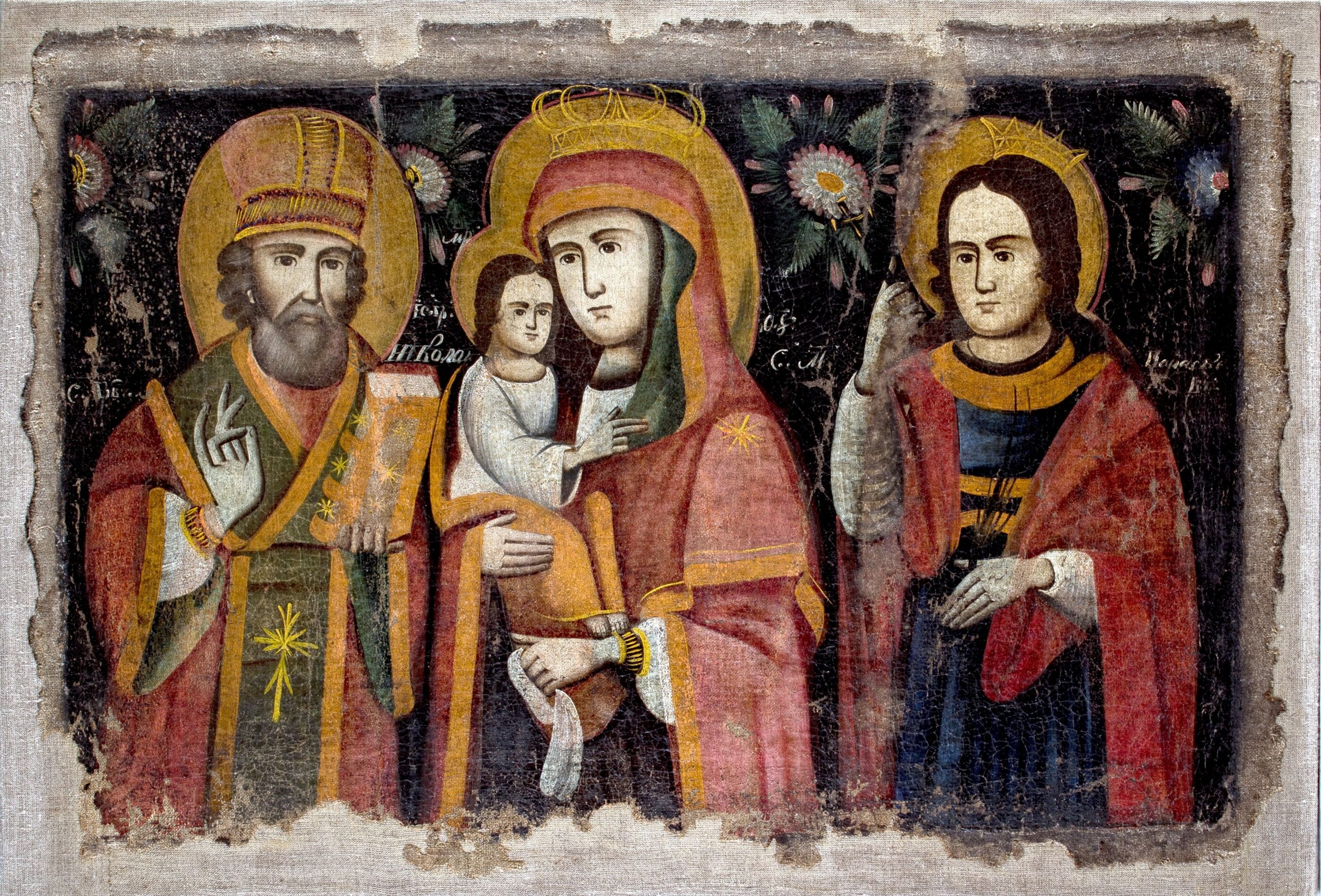
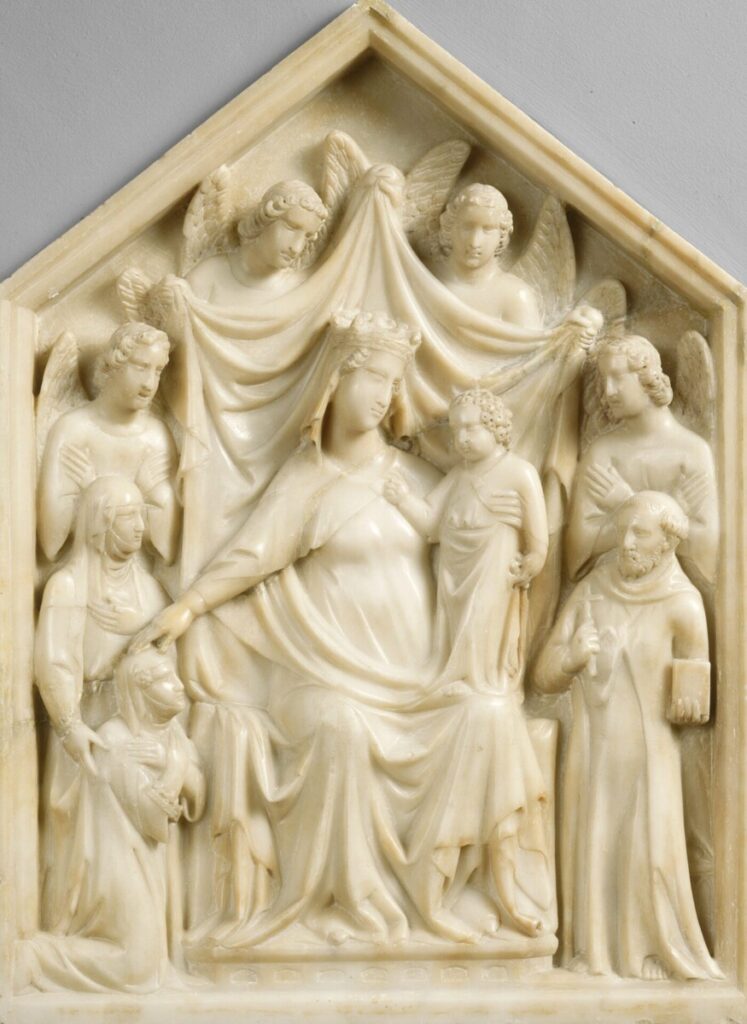
Paul emphasizes that man cannot earn a reward in the full sense but rather receive divine grace to become holy and do good. Human merits are lesser and secondary compared to the graces received, which are a gift from God:“For the wages of sin is death, but the free gift of God is eternal life in Christ Jesus our Lord” (Rom 6,23).At making this distinction, Paul highlights an implication derived from the nature of God as Father and the fatherhood that bears His name:“Of whom the whole fatherhood in heaven and on earth is named” (Eph 3,15). “And if children, then heirs; heirs of God and joint-heirs with Christ, if indeed we suffer with him, that we may also be glorified together” (Rom 8,17).### Maria as a ModelMaria is presented as the perfect model of merit and reception of divine grace. The encyclical “Redemptoris Mater” by Saint John Paul II explores in depth the fullness of grace in Maria and her role in the alliance founded by the love of God.Para aprofundar o tema, explore a Mariologia, Teologia Mariana, Aparições Marianas e a Pós-Graduação em Mariologia.Graduate Studies in Mariology
Desire to deepen your formation in Mariology? Discover the Graduate Studies in Mariology from Locus Mariologicus, an academic formation that combines theological rigor, spiritual life, and the living tradition of the Church.

Responses