Mother of the Faithful People: The Revision of the Titles of Co-Redemptor, Mediator, and Advocate in Post-Conciliar Theology
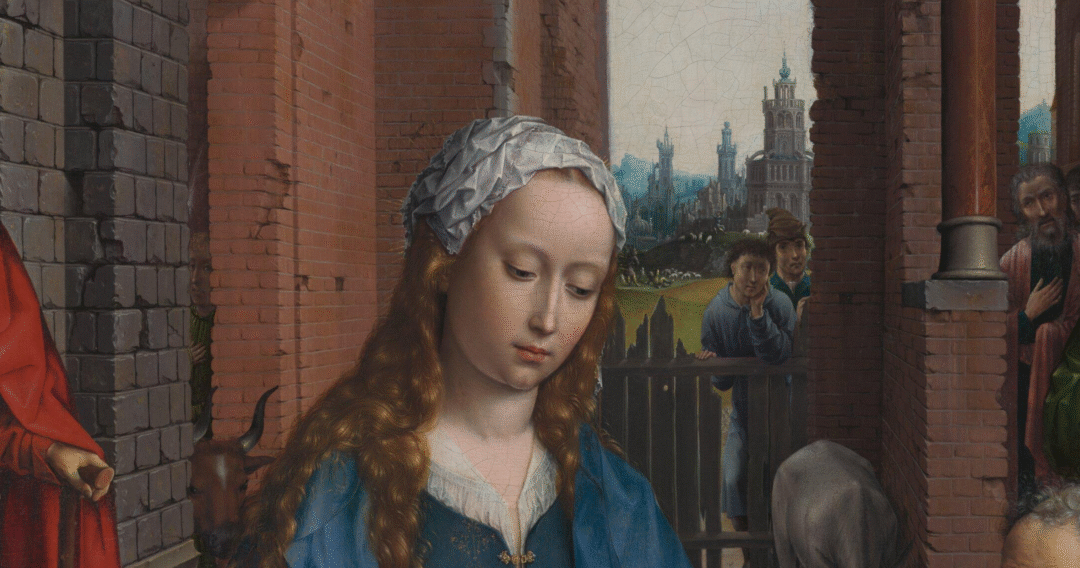
Mater Populi Fidelis: A Review of Mariological Language in the Catholic Church
The document *Mater populi fidelis* (The Mother of the Faithful People) represents a significant review of the language and titles used to describe the Virgin Mary in the Catholic tradition. This text, issued by the Dicastery for the Doctrine of the Faith, provides clear guidelines for bishops, pastors, preachers, and catechists on how to approach mariology in a more biblical, ecclesial, and Christ-centered manner.Historical and Theological Context
The Note is a follow-up to the Second Vatican Council, which encouraged a renewal of Marian devotion and greater emphasis on the mother of Jesus as a model of faith and Christian life. However, the document acknowledges the need to clarify certain titles and expressions that, over time, have acquired complex theological connotations and, at times, confusing ones.The proposed revision aims to protect the centrality of Christ in Catholic faith, ensuring that devotion to Mary remains subordinate to His person and redemptive work. The document emphasizes that everything in Mary is grace from Christ, and she is celebrated as Mother, subordinate Mediatrix, and model of the Church.Main Points of the Note:
1. Revision of Titles: *Mater populi fidelis* discourages the use of titles such as “Corredemptrix” and “Mediatrix of all graces,” considering them technically imprecise and potentially confusing. Instead, it encourages the use of more biblical and conciliar titles, such as “Mother of God” (Theotokos) and “Mother of the Church”.2. Christocentrism: The document emphasizes that devotion to Mary must remain Christ-centered, that is, centered on Christ. Mary is celebrated for her unique relationship with the Son, but never as a “shortcut” to reach God.3. **Faith Education:** Episcopal conferences, dioceses, and shrines are encouraged to review their litanies, prayers, and liturgical materials, offering alternatives or complementary catechesis to help the faithful better understand the language of faith in relation to Mary.4. **Shrines and Marian Groups:** Shrines and Marian groups are seen as privileged spaces for receiving the Note. They are invited to educate the faithful about choosing more biblical titles, offer cycles of Marian formation, and assist in discernment regarding private revelations and apparitions.5. **Liturgical Impact:** The Note does not rewrite the *Missale Romanum* or the *Liturgia Horarum*, but it provides criteria for future liturgical developments, ensuring that public prayers, formulas, and consecrations respect the theological orientation of the document.Theological and Ecclesial Significance:
The revision in *Mater populi fidelis* has profound implications for Catholic theology:Ecumenism: By promoting clearer and more biblical Mariological language, the document can facilitate ecumenical dialogue, as many Christian denominations have different perspectives on the Virgin Mary.Renewal of Marian Devotion: The Note encourages a deeper and more ecclesial Marian devotion, where Mary is seen as a model of faith and Christian life, but always subordinate to her Son.Doctrinal Clarity: The document provides clear guidance for the Church’s Magisterium, helping to avoid theological misunderstandings and ensuring that devotion to Mary remains faithful to Catholic doctrine.Conclusion
*Mater populi fidelis* represents an important step in clarifying mariological language, promoting a deeper and Christ-centered understanding of Mary in the Catholic Church. While protecting the centrality of Christ, the document encourages a vibrant and meaningful Marian devotion that enriches the spiritual life of the faithful.Graduate Studies in Mariology
Desire to deepen your formation in Mariology? Discover the Graduate Studies in Mariology from Locus Mariologicus – an academic formation that combines theological rigor, spiritual life, and the living tradition of the Church.
Would you like to study Mariology seriously?
This article draws on the works of the Locus Mariologicus library. The Postgraduate Programme in Mariology takes you to the same sources with academic guidance: Scripture, the Church Fathers and the Magisterium, from the first dogma to contemporary questions.

Responses