The birth of Mariology in the Portuguese language
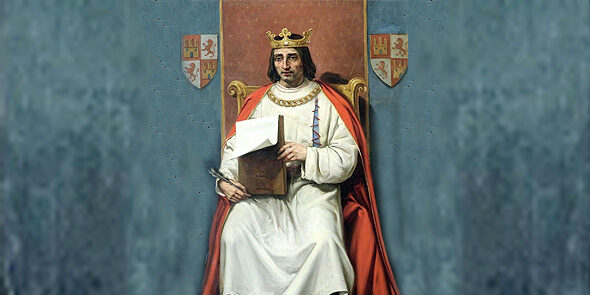
The Mariology in the Portuguese language is born together with the Portuguese nation, from the very beginning of its history. Devotion to the Virgin Mary is an intrinsic part of Portuguese culture and faith.
Origens e Contexto Histórico
In the historical context, Portugal played a significant role in spreading Catholicism and Marian devotion worldwide. During the Age of Discoveries, Portuguese navigators carried with them not only ships but also their deep devotion to the Virgin Mary. This faith was transmitted to the newly discovered lands, deeply influencing local cultures that adopted Christianity.
A Importância da Virgem Maria na Cultura Portuguesa
A Virgem Maria ocupa um lugar especial no coração dos portugueses, refletindo-se em diversas manifestações culturais:
Marian Apparitions: Portugal is known for several locations of Marian apparitions, such as Fátima, where the shepherd children claimed to have seen the Virgin Mary in 1917. These apparitions attract millions of pilgrims every year and are a living testament to the importance of Mary in Portuguese faith and culture.
Festivities and Traditions: The festivals in honor of Our Lady are abundant in Portugal, with processions, pilgrimages, and celebrations that last for days. The Feast of Our Lady of the Rosary, for example, is widely celebrated in many cities. These festivities reflect the deep popular devotion to the Virgin Mary.
Art and Architecture: The Marian influence is evident in the rich artistic and architectural heritage of Portugal. Churches, chapels, and monasteries are often dedicated to the Virgin Mary, and her images and statues adorn many sacred spaces. Baroque architecture, in particular, displays an abundance of decorative elements inspired by Marian themes.
A Mariologia na Literatura e na Poesia
The Portuguese language has a rich literary tradition that reflects the importance of the Virgin Mary. Poets and writers throughout the centuries have expressed their devotion through verses and prose:
Medieval Poetry: Medieval troubadours often dedicated their poems to the Virgin Mary, praising her purity and divine motherhood.
Renaissance Literature: During the Renaissance, authors such as Luís de Camões and Fernando Pessoa explored Marian themes in their works, often using the figure of the Virgin as a symbol of beauty and virtue.
Songs and Folklore: Portuguese folklore is also filled with songs and stories involving the Virgin Mary, often transmitted orally from generation to generation.
A Influência da Mariologia Portuguesa no Mundo
The Mariology in the Portuguese language is not limited to national borders. Its influence is felt all over the world, especially in Catholic communities of Portuguese-speaking countries:
Global Diffusion: Portuguese Marian traditions and devotions were brought to the colonized territories, enriching local religious practices and leaving a lasting mark on the spirituality of these regions.
The rich Portuguese Marian tradition has contributed to the development of Marian theology worldwide, with scholars exploring its depth and meaning.
Conclusão
The Mariology in the Portuguese language is a cultural and religious treasure that has evolved over the centuries, rooted in Christian faith and shaped by Portuguese history and culture. Its influence continues to inspire and enrich the spiritual life of millions of people around the world.
Graduate Studies in Mariology
Wish to deepen your formation in Mariology? Discover the Graduate Studies in Mariology from Locus Mariologicus, an academic formation that combines theological rigor, spiritual life, and the living tradition of the Church.
Would you like to study Mariology seriously?
This article draws on the works of the Locus Mariologicus library. The Postgraduate Programme in Mariology takes you to the same sources with academic guidance: Scripture, the Church Fathers and the Magisterium, from the first dogma to contemporary questions.

Responses