Mary at the First Council of the Church in 325
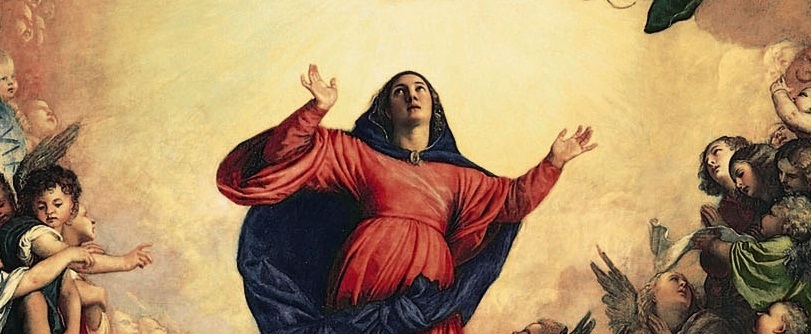
Understanding the role of Mary at the first ecumenical council requires situating the event of Nicaea (325) within the Christological debate of the fourth century. The first ecumenical council did not directly address Mariology, but the defense of the full divinity of the Son paved the way for the future definition of Mary as Theotokos in Ephesus (431).
O que é o subordinacionismo?
This heresy consists in attributing to the Son a position inferior to that of the Father and considering the Holy Spirit inferior both to the Father and to the Son. When Trinitarian doctrine was not yet clearly defined, theologians sought to safeguard the monarchy (gr. principle unique) of the Father, which led them to interpret the Son and the Spirit as subordinate agents of a Father absolutely transcendent.
Ascetic and rigorous orator, Arius, despite his presumption and fanaticism, enjoyed great popularity among the people. His doctrine, clear and rationalist, directed against the Alexandrian school, caused uproar. He criticized the theologians of Alexandria for modalism and, in turn, denied the divinity of the Logos (Word).
O que é o modalismo?
This heresy emphasized the divine unity by denying the personal distinction between Father, Son, and Holy Spirit. They were seen as three manifestations or forms of the one God, revealing Himself and acting in creation and redemption. Arius argued that the Logos was not true God, being of a different nature from the Father, neither eternal nor omnipotent, but created in time and subject to change.
O impacto da heresia ariana
As the heresy spread throughout the Christian world, Emperor Constantine convened a council. The first council of the Empire took place in Nicaea from May 20 to July 25, 325. Constantine placed his postal service at the disposal of the bishops free of charge. The exact number of participants is uncertain, but it is estimated that there were between 220 and 318 bishops, with only five from the West.
Arian defended his theory, supported by seventeen bishops, including Eusebius of Nicomedia. Athanasius, future Father of the Church, was present as a deacon beside his bishop. After intense debates, orthodoxy prevailed. The so-called Nicene Creed affirmed the divinity of the Word: “Christ is… begotten from the substance of the Father, God from God, light from light, true God from true God, begotten, not created, consubstantial (homoúsios) with the Father”.
Credo Niceno
The Nicene Creed, although it does not mention Mary directly, implies divine motherhood by affirming the divinity of the Word who became incarnate and was made man. In addition to the profession of faith, the council issued 20 canons of a disciplinary nature.
For a deeper understanding of Mary in the context of the Church Councils, consult John Paul II’s Encyclical Redemptoris Mater, which explores the role of Mary in light of the ecclesiastical Magisterium. Also explore resources such as Mariology, Marian Theology, Marian Apparitions, and Postgraduate Studies in Mariology to deepen your studies.
Graduate Studies in Mariology
Wishing to deepen your formation in Mariology? Discover the Graduate Studies in Mariology from Locus Mariologicus – an academic formation that combines theological rigor, spiritual life, and the living tradition of the Church.
Would you like to study Mariology seriously?
This article draws on the works of the Locus Mariologicus library. The Postgraduate Programme in Mariology takes you to the same sources with academic guidance: Scripture, the Church Fathers and the Magisterium, from the first dogma to contemporary questions.

Responses