Mary in the Bible, presence, typology, and key texts
Mary in the Bible: Presence and Significance in the Old Testament
The Presence of Mary in Scripture
The presence of Mary in the Bible does not begin with Luke’s Annunciation (Luke 1:1-38), but with the typological figures and prefigurations in the Old Testament that Christian tradition, guided by the Holy Spirit, recognizes as foreshadowing the Mother of the Messiah. The *Protoevangelium* of Genesis 3:15, “I will put enmity between you and the woman,” is, according to patristic interpretation and Church teaching (Lumen Gentium 55), the first biblical allusion to Mary: the Woman whose offspring will crush the head of the serpent marks the beginning of Marian typology.The prophecy of Isaiah 7:14, “a young woman shall conceive and bear a son,” is the most direct Old Testament citation by the New Testament regarding Mary (Matthew 1:23: “a virgin shall conceive”). The exegetical debate surrounding the Hebrew term *almah* (young woman of marriageable age, not necessarily a virgin in the technical sense) was resolved by the LXX translation with *parthenos* (virgin) and its fulfillment in Mary, the virgin who conceived by the Holy Spirit (Luke 1:35).Mary in the Gospel of Luke, the Annunciation, and the Magnificat
The Gospel of Luke is the richest biblical source for studying Mary. The Annunciation narrative (Luke 1:26-38) presents Mary as the recipient of the archangel Gabriel’s announcement, as one greeted with the unique term *Kecharitōménē* (χεχαριτωμένη), meaning “full of grace” or more precisely, “transformed by grace” (perfect passive participle). This participle expresses a state resulting from prior and permanent divine action, forming the biblical basis for the dogma of the Immaculate Conception defined by Pope Pius IX in 1854 (Dency 2803).The Magnificat (Luke 1:46-55) is Mary’s quintessential biblical prayer. Composed of echoes from the Old Testament, especially the Song of Hannah (1 Samuel 2:1-10), the Magnificat reveals Mary as the embodiment of Israel’s faithfulness, the “daughter of Zion” who receives and proclaims God’s mercy. The expression “all generations will call me blessed” (Luke 1:48) is the biblical foundation for Mary’s universal veneration in the Church.Mary in the Gospel of John, Cana and the Cross
While the Gospel of John never mentions Mary by name in its narrative, it presents her in two pivotal moments that form a theological diptych: the Wedding at Cana (John 2:1-11) and the Crucifixion (John 19:25-27). In both instances, Jesus addresses his Mother with the vocative “Woman” (*γύναι*), intentionally including her. At Cana, Mary intercedes, leading to the first sign. At the Cross, Jesus commits his Mother to the beloved Disciple (“Woman, behold your son”) and the Disciple to her (“Behold your mother”). This testamentary act forms the biblical basis for Mary’s universal spiritual motherhood over the faithful.The Book of Revelation 12:1-6 depicts “a woman clothed with the sun, adorned with twelve stars,” in labor, pursued by a dragon. Patristic exegesis and Church teaching (Lumen Gentium 63) identify this figure as Mary and as the Church—an identification that is inclusive rather than exclusive: Mary is the icon of the Church, and the Church is the historical continuation of Mary’s motherhood.Deepen Your Studies:
Explore Mariology, Marian Theology, The Wedding at Cana, The Magnificat, Archangel Gabriel, and the Master’s Degree in Mariology.Master’s Degree in Mariology
Want to deepen your formation in Mariology? Discover the Master’s Degree in Mariology from Locus Mariologicus – an academic formation that combines theological rigor, spiritual life, and the living tradition of the Church.
The Biblical Journey of Mary in the Locus Old Testament (typology) – Mary in the Old Testament – Mariological Dossier of the Old Testament – The Mother of the Redeemer in the OT: Prophecies and Typology New Testament (scene by scene) – The Annunciation (Lk 1,26-38) – The Visitation and the Magnificat (Lk 1,39-56) – The Presentation in the Temple (Lk 2) – The Wedding at Cana (Jn 2,1-12) – At the Cross: Mother of the Disciple (Jn 19,25-27) – In the Upper Room at Pentecost (Acts 1,14) – The Gospels and Mary: Overview Frequently Asked Questions Where does Mary appear in the Bible?Da promessa do Génesis (3,15) à Mulher do Apocalipse (12), passando pela Anunciação, Caná, a Cruz e o Pentecostes.Maria é a «nova Eva»?Sim – os Padres leem Gn 3,15 e Lc 1 em paralelo: onde Eva desobedeceu, Maria acolheu.O que significa «cheia de graça»?(Lc 1,28) Que Maria foi plenamente agraciada por Deus – base bíblica da Imaculada.📖 **Do you want to study this seriously?** Get to know the Post-Graduation in Mariology at Locus – rigorous academic training for theologians, priests, religious and laity.Would you like to study Mariology seriously?
This article draws on the works of the Locus Mariologicus library. The Postgraduate Programme in Mariology takes you to the same sources with academic guidance: Scripture, the Church Fathers and the Magisterium, from the first dogma to contemporary questions.
Related Articles

Are the Marian verses well-translated?
Translating Marian verses accurately is essential for understanding Mary’s role in Scripture and Christian faith. Delve deeper into this fundamental theological analysis.
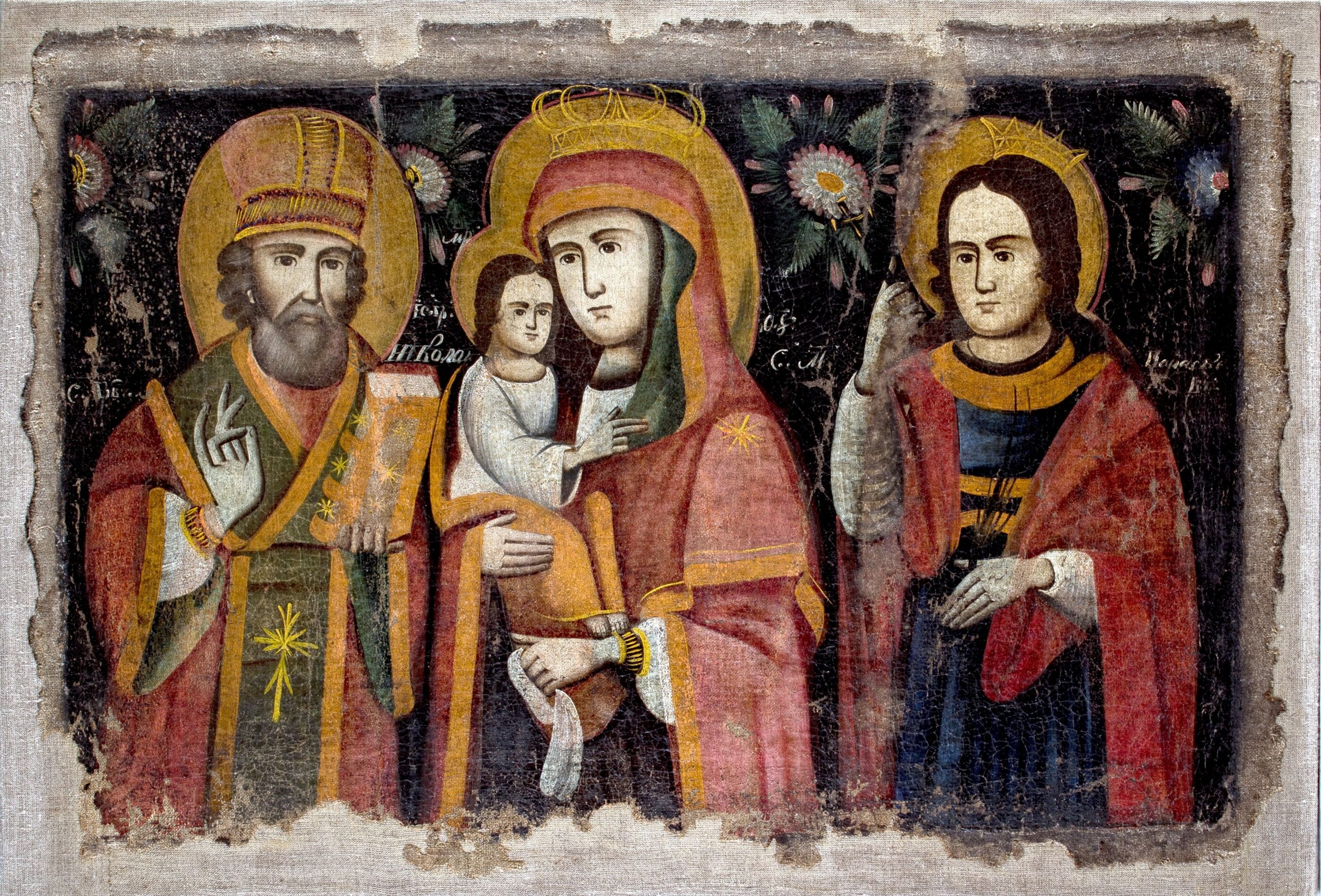
Face of Jesus in the face of Mary
In Mary’s face, we contemplate the face of Jesus Christ. A Marian meditation on the relationship between Mother and Son in Christian faith. Deepen this reflection.
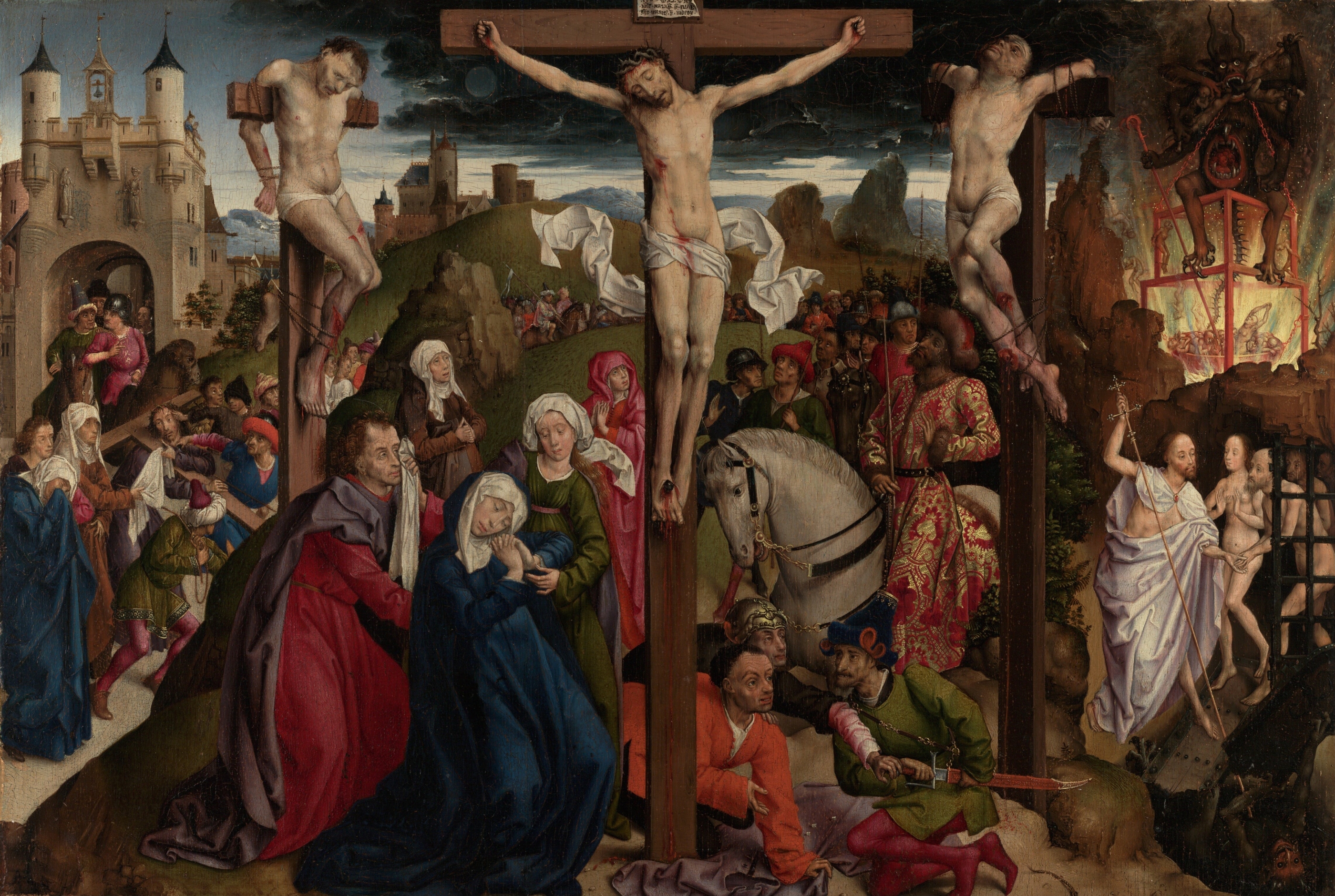
The Marian principle of the Church: Mary at the cross
The Marian principle reveals Mary as a constitutive figure of the Church. Explore her presence at the cross and her spiritual motherhood that grounds the nascent Church.
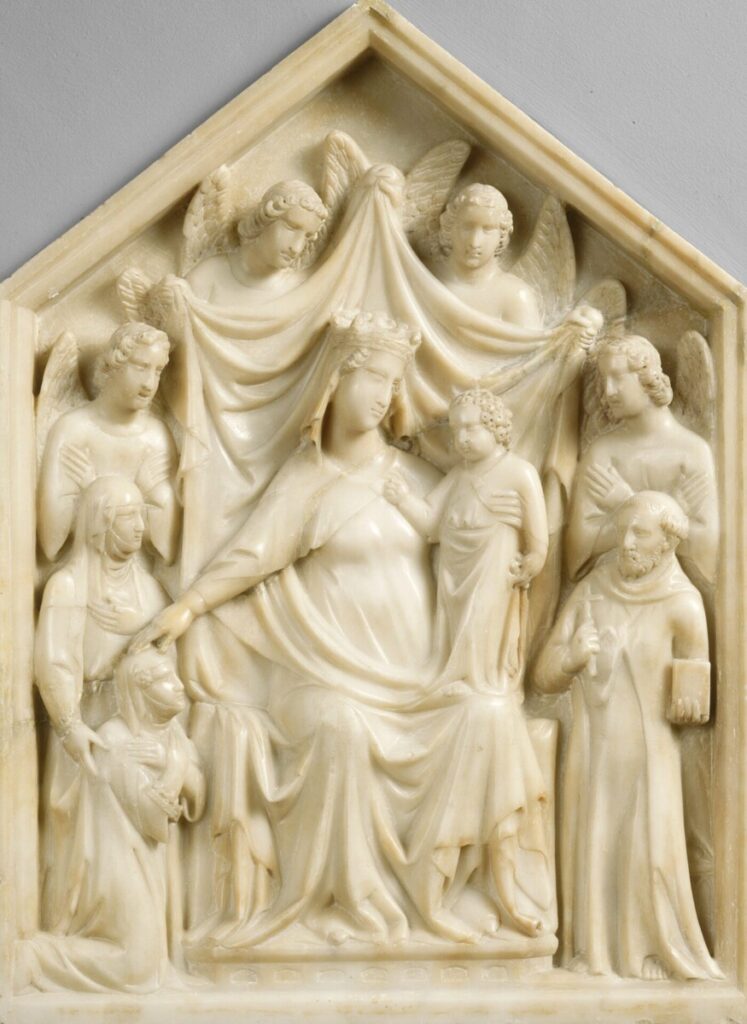
King, kingdom, and reign of God in Mariology
Explore the relationship between Mary and Christ’s royalty in Catholic mariology. King, Kingdom, and reign of God revealed in light of theological thought. Deepen and…
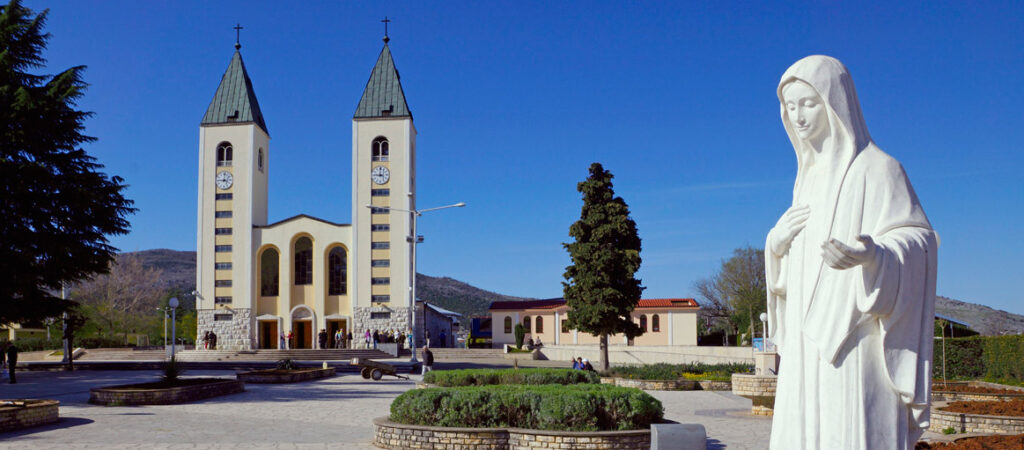
Magisterial Timeline of Medjugorje (2001-2022)
A Magisterial Timeline of Medjugorje from 2001 to 2022: Vatican Declarations, Episcopal Statements, and the Evolution of Ecclesial Discernment. Delve into this historical journey…
Responses