Mary and the Eucharist, re-interpretation in the Third Millennium
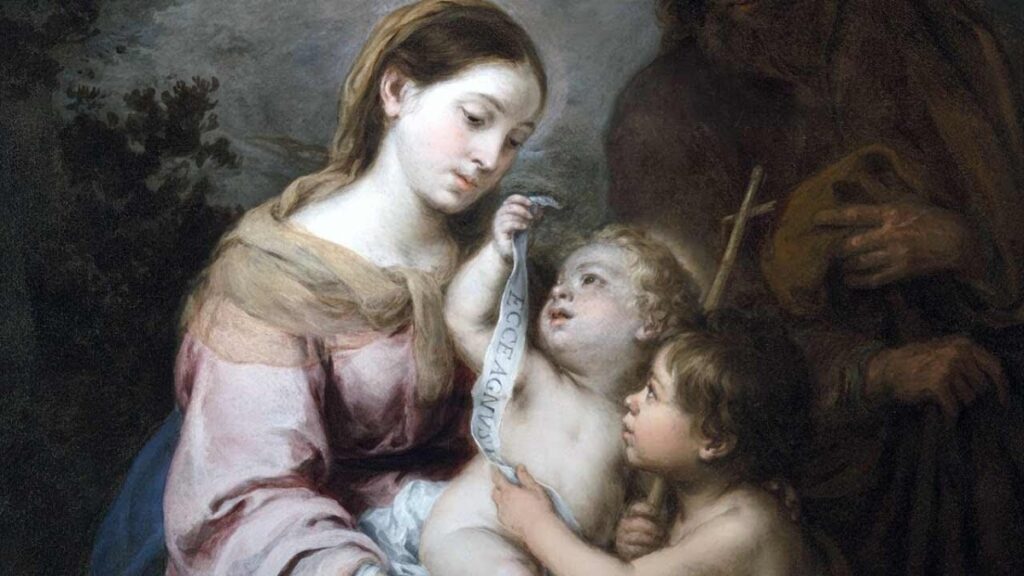
Mary and the Eucharist: A Deep Relationship
Introduction
When discussing Mary and the Eucharist, we discover three intriguing connections between these two divine gifts given to the world by the Father. These links reveal the profound relationship between the Virgin Mary and the Eucharistic mystery.1. The Incarnation: Foundation of the Connection
The first link between the Eucharist and Mary is rooted in the mystery of the incarnation. Through the power of the Holy Spirit, Mary conceives the Son of the Most High, giving birth to the body and blood that would be offered on the Cross for the salvation of humanity. This same body and blood, brought forth by Mary, are consecrated in the Eucharist, nourishing and refreshing the faithful. Pope John Paul II, in his encyclical “Ecclesia de Eucharistia,” expresses his admiration and faith as he prostrates himself before the Son of Mary present in the sacrament, declaring:“Let me, my dear brothers and sisters, surrender myself with intimate elevation, in the company and comfort of your faith, my testimony of faith in the Most Holy Eucharist… Hail, true body born of the Virgin Mary…” (n. 59).The incarnation of Christ in Mary is the foundation that allows the presence of the Son of God in the Eucharist.2. Mary, the Eucharistic Woman
Mary maintains an intimate relationship with the Eucharist through her spiritual attitude toward Jesus and his mysteries. She is described as a “eucharistic woman” throughout her life, imitating the faith and disposition of the Church toward the sacrament. Luke and John portray Mary as a deeply religious woman, attentive to the Word of God and the events surrounding her Son. Her presence at the Last Supper and Pentecost demonstrates a deep understanding of the Eucharistic mystery, joyfully participating in the “breaking of bread” with the Christian community.3. Mary in Liturgical Celebration
Mary is not just a historical figure but a living presence in the celebration of the Eucharist. Pope Saint John Paul II affirmed that Mary is present at every Eucharistic celebration, interceding for the Church and all its members, living and deceased. This belief is reinforced by the Eastern and Western liturgical traditions, where the offering of the Eucharist is made in communion with the heavenly and earthly Church, including Mary as the Mother of God and ever Virgin.Conclusion: A Missionary Mission
Just as Mary brought the Son of God to the hill to visit Elizabeth and Zechariah, Christians, after receiving the Eucharist, are called to return to their secularized environment, awakening the need for the Creator and promoting dialogue and fraternity. The apostolic exhortation “Marialis Cultus” by Paul VI offers a rich exploration of the Marian dimension in liturgy.Deepen your studies in Mariology, Marian Theology, Marian Apparitions and consider a Postgraduate Degree in Mariology for a deeper understanding of these topics.Graduate Studies in Mariology
Wishing to deepen your formation in Mariology? Discover the Graduate Studies in Mariology from Locus Mariologicus – an academic formation that combines theological rigor, spiritual life, and the living tradition of the Church.
Would you like to study Mariology seriously?
This article draws on the works of the Locus Mariologicus library. The Postgraduate Programme in Mariology takes you to the same sources with academic guidance: Scripture, the Church Fathers and the Magisterium, from the first dogma to contemporary questions.
Responses