New Commandment: Mary and the Love That Identifies Disciples
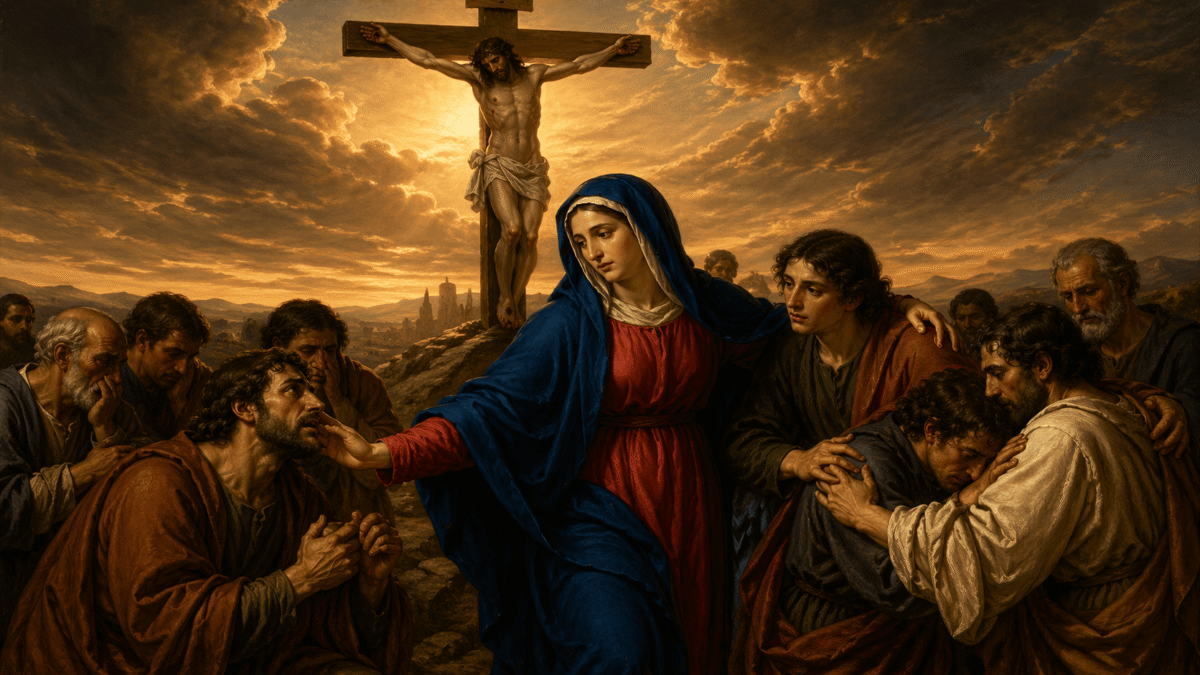
Mandamento Novo do Amor: Um Estudo Mariológico Baseado em João 13, 34
Introdução:The verse “Love one another as I have loved you” (Jn 13, 34) represents the core of Christian identity. Jesus, in presenting this “new commandment,” reveals that mutual love is the distinguishing sign of His disciples. Mariology finds its basis and inspiration in this commandment, for Mary, as the mother of Jesus, embodied this love “as He loved.”I. A Novidade do Amor Cristão: “Sicut Dilexi Vos”The commandment to love one another, although not new in substance (love of neighbor is an ancient biblical precept), acquires a new dimension from the Johannine perspective. The expression “as I have loved you” emphasizes the model and source of this love: the love of Jesus even unto the laying down of his life.II. Maria, Modelo do Mandamento Novo:The Mariological tradition consistently recognizes Mary as the supreme model of Christian love. Through her life, from the Annunciation to Calvary, Mary demonstrated pure and complete love, which included service, sacrifice, and total surrender.The response of Mary to the angel (“Let it be done to me according to your word”) demonstrates a selfless and obedient love, a true “agape.”* Visitação: O ato de servir Isabel demonstra o amor de Maria como ação concreta e generosa.The Magnificat: Mary’s canticle expresses her love through praise and testimony, overflowing with joy and proclaiming the wonders of God.* Calvário: Maria permanece junto à cruz, demonstrando um amor inabalável até o fim, mesmo quando todos fugiram.III. O Amor como Sinal da Comunidade Cristã:Jn 13, 35 states that the identification of the Church is based on mutual love: “By this everyone will know that you are my disciples, if you have love for one another.” This statement radicalizes ecclesiology, prioritizing the testimony of love over intellectual arguments or organization.The Christian communities throughout history, inspired by Mary as “Mater Ecclesiae,” have sought to live out this new commandment through communities of prayer, service, and fraternity. Social Mariology, a contemporary development, unites devotion to Mary with commitment to social justice, reflecting the Marian love for the poor and marginalized.IV. O Amor Eterno: Maria na Comunhão Escatológica:1 Cor 13, 13 states that love endures forever. Mary, having loved “as Jesus loved” during her earthly life, now lives this love in full communion with the Father and the Son in the Holy Spirit.The contemplation of Mary glorified is the contemplation of Christian love in its eschatological fullness. To see Mary in glory means to recognize the ultimate destiny of those who live the “new commandment” to the end.Graduate Studies in Mariology
Wishing to deepen your formation in Mariology? Discover the Graduate Studies in Mariology from Locus Mariologicus – an academic formation that combines theological rigor, spiritual life, and the living tradition of the Church.
Would you like to study Mariology seriously?
This article draws on the works of the Locus Mariologicus library. The Postgraduate Programme in Mariology takes you to the same sources with academic guidance: Scripture, the Church Fathers and the Magisterium, from the first dogma to contemporary questions.

Responses