Mother of God, dwelling place of the Word
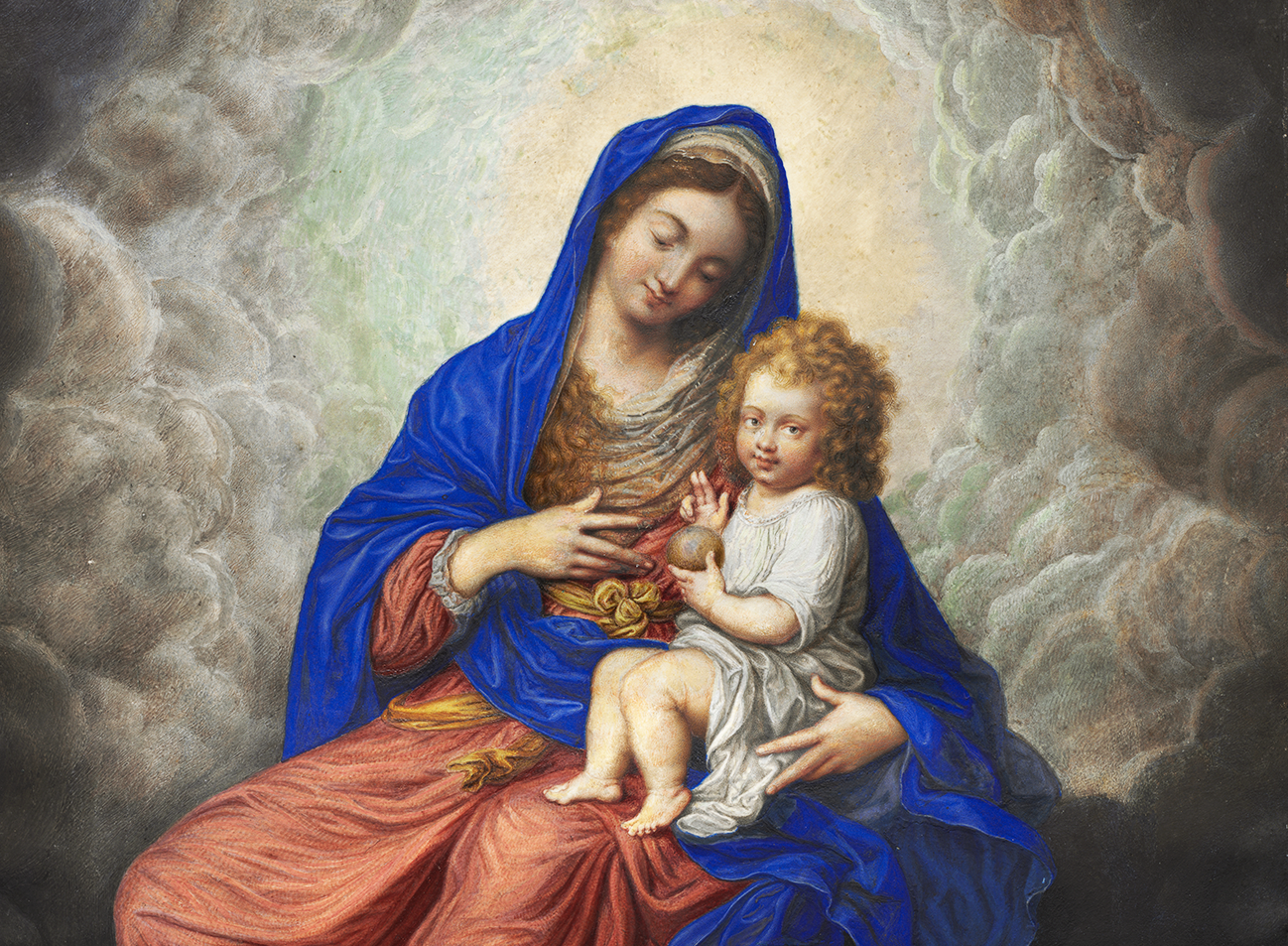
The Mariological Doctrine: The Value of Creation in the Humanity of Christ
In the teaching of the Church Fathers, especially the Greek Fathers, the value of creation is concentrated and revealed in the humanity of Christ. The Son of God assumes all of creation in his own flesh, fills it with his divine life, and through his resurrection and the outpouring of the Holy Spirit upon all flesh, makes it immortal and divinizes it. This is salvation: union with God, theosis.The Incarnation and Salvation
The incarnation of the Word is a double event: God assumes human flesh and, through it, man lives the divine life. Athanasius affirms: “God became flesh so that man might become god.” This doctrine, central to the Council of Chalcedon (451), has two tendencies: one emphasizes salvation accomplished by Christ in his own flesh and transmitted through the Church-sacrament; the other highlights the role of humanity in salvation, expressing the reality and contribution of the mystery of divine-human synergy.The Christological Anthropology
Anthropology, or the study of human nature, is a crucial part of Christology. The incarnation reveals God, introduces God into human history through flesh, and gives fullness to man, allowing him to become God-man.Mary, Mother of the Only-Begotten Son
God, according to biblical and patristic tradition, is inaccessible and unknowable. Yet he created man to unite with him and communicate his life. The incarnation of Christ is unique because God assumes human flesh through the Virgin Mary, becoming truly visible and communicating his divinity to all creation.The flesh of Christ is truly and really the flesh of the Virgin Mary, and the blood of Christ is the blood of Mary. This holy flesh allows God to reveal Himself to the creature and become visible in history.The Pedagogy of God and Human Collaboration
The history of salvation has two fundamental lines: the pedagogy of God and human collaboration. After original sin, God guides humanity, through figures like Abraham, Moses, David, and the prophets, up to the Virgin Mary, who represents the fulfillment of human aspirations and the prefigurations of the Old Testament.The Holy Virgin, born of Joachim and Anna, is the fulfillment of the history of the chosen people, the tree sprung from the root of Jesse, and the fruit of divine pedagogy and human collaboration. She is the dwelling place of God on earth and the supreme expression of human beauty and holiness.The Incarnation and the Revelation of God
The incarnation of the Word reveals God in a unique way. The Virgin Mary, by accepting God’s call, allows human flesh to become the revelation of God. This flesh assumes not only the body but also the soul, the will, and the entire structure of humanity, except for sin. Thus, the flesh of Christ becomes the manifestation and revelation of God in history.The Human Flesh and the Energy of God
The human flesh given by Mary to God is not merely a dwelling place but also the energy and justice of God operating in history. Through it, God overcomes evil and death, saving humanity. This divine-human flesh is the source of salvation and theosis for all creation.Conclusion
Mariological doctrine explores the deep connection between the incarnation of the Word and the salvation of humanity. The Virgin Mary plays a crucial role in this mystery, revealing the divine and human nature of Christ and allowing God to become truly visible and accessible to creation.To deepen your reflection on Mary, the Mother of God, residence of the Eternal Word, consult Pope John Paul II’s Encyclical Redemptoris Mater.Post-Graduate Studies in Mariology
Do you want to deepen your formation in Mariology? Get to know the Post-Graduate Studies in Mariology from Locus Mariologicus – an academic formation that combines theological rigor, spiritual life, and the living tradition of the Church.
Responses