Incarnation and Resurrection in relation to Mary
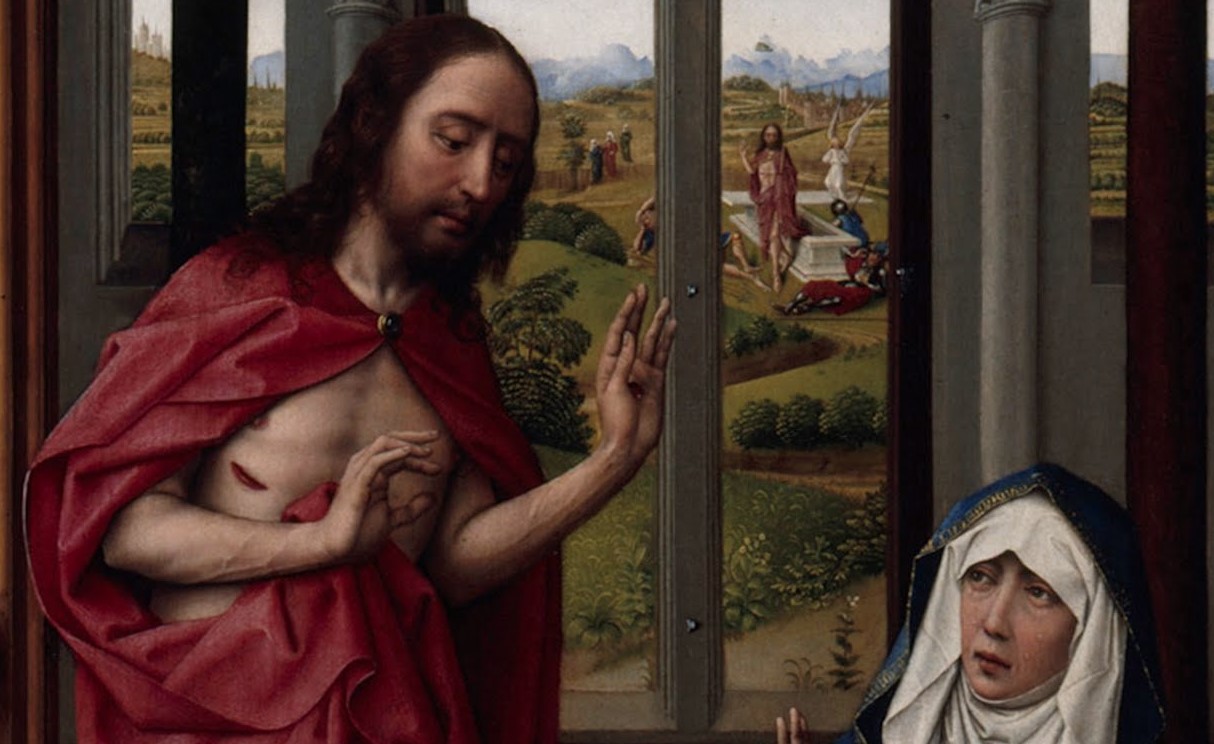
The figure of Mary, the Virgin of Nazareth, occupies a central place in the narrative of Christian salvation, especially regarding the paschal mystery. This article explores the deep connection between the person of Mary and the central events of salvation history: the Incarnation and the Resurrection of the Son of God.
Encarnação e a Mãe do Redentor
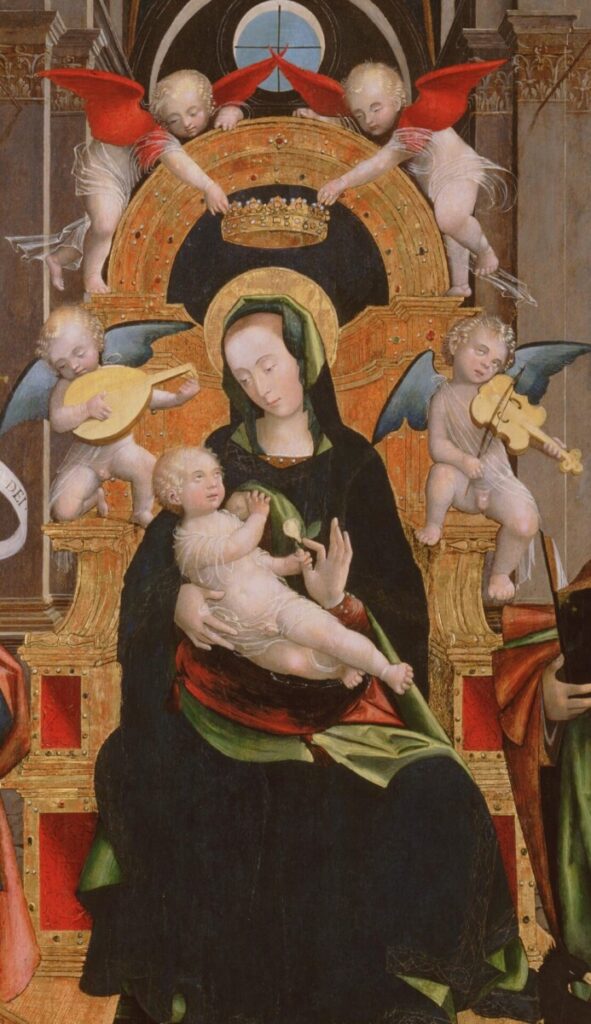
The Virgin Mary is presented in Scripture as the woman chosen to give birth to the Savior, Jesus Christ. The announcement made by the angel Gabriel to Mary in Luke 1:26-38 is a crucial moment in the history of salvation. Here, Mary is designated as “full of grace” and “highly favored“, destined to conceive and give birth to the Son of God. This event, known as the Incarnation, marks the beginning of the redemptive mission of the Incarnate Word.
The choice of Mary to be the Mother of the Redeemer is not random. She is described as “faithful” (Luke 1:4) and obedient (v. 38), demonstrating a readiness to follow God’s will. Her response to the angelic announcement reveals an open mind and a willing heart, making her worthy of receiving the divine gift of divine motherhood.
Ressurreição e a Maternidade Espiritual
The resurrection of Jesus Christ is the central event of the Paschal mystery, where victory over death and sin is achieved. The Mother of Jesus, Mary, is present in several crucial moments of this saving drama.
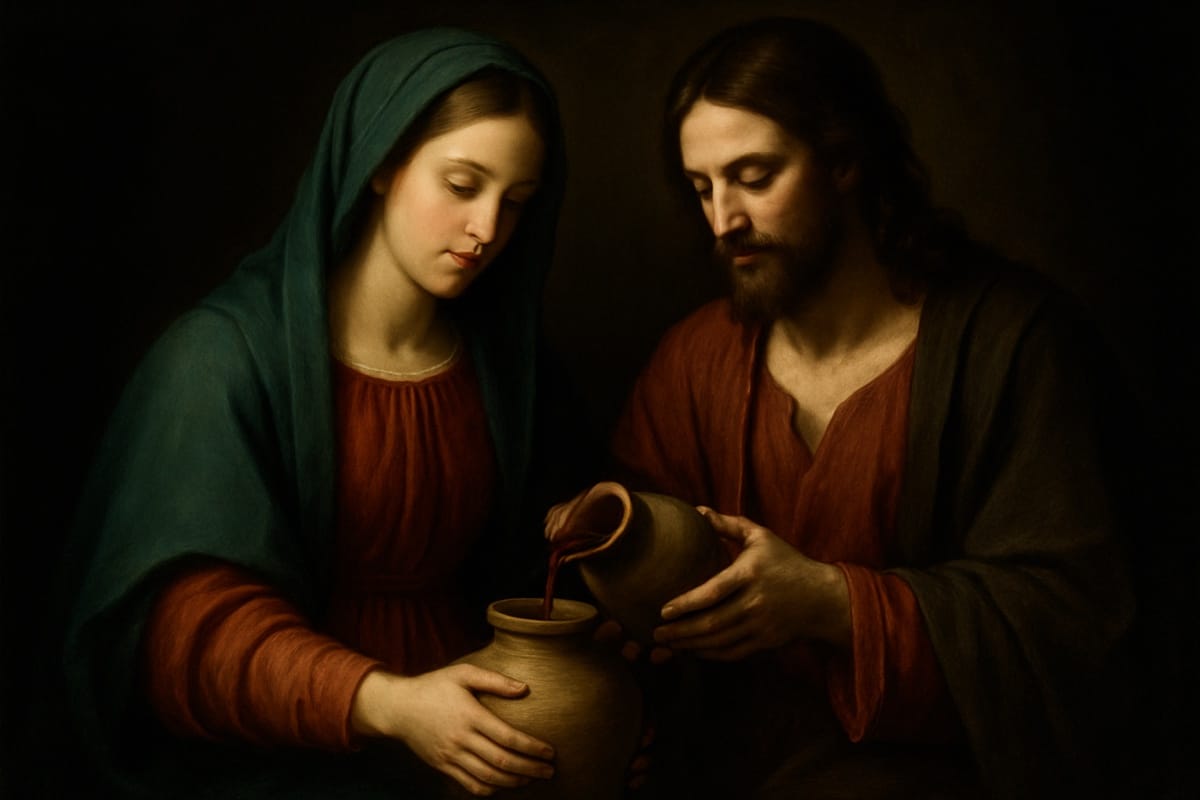
In Jn 2:1-12, the wedding at Cana is a foreshadowing of Christ’s Paschal work. Here, Mary intercedes with Jesus to perform the first sign of his mission, turning water into wine. This event symbolizes the New Covenant and the celebration of eternal life that Jesus will bring. The presence of Mary in this Paschal moment anticipates her continuous role as Mother of the Church, guiding the disciples in obedience to the Gospel.
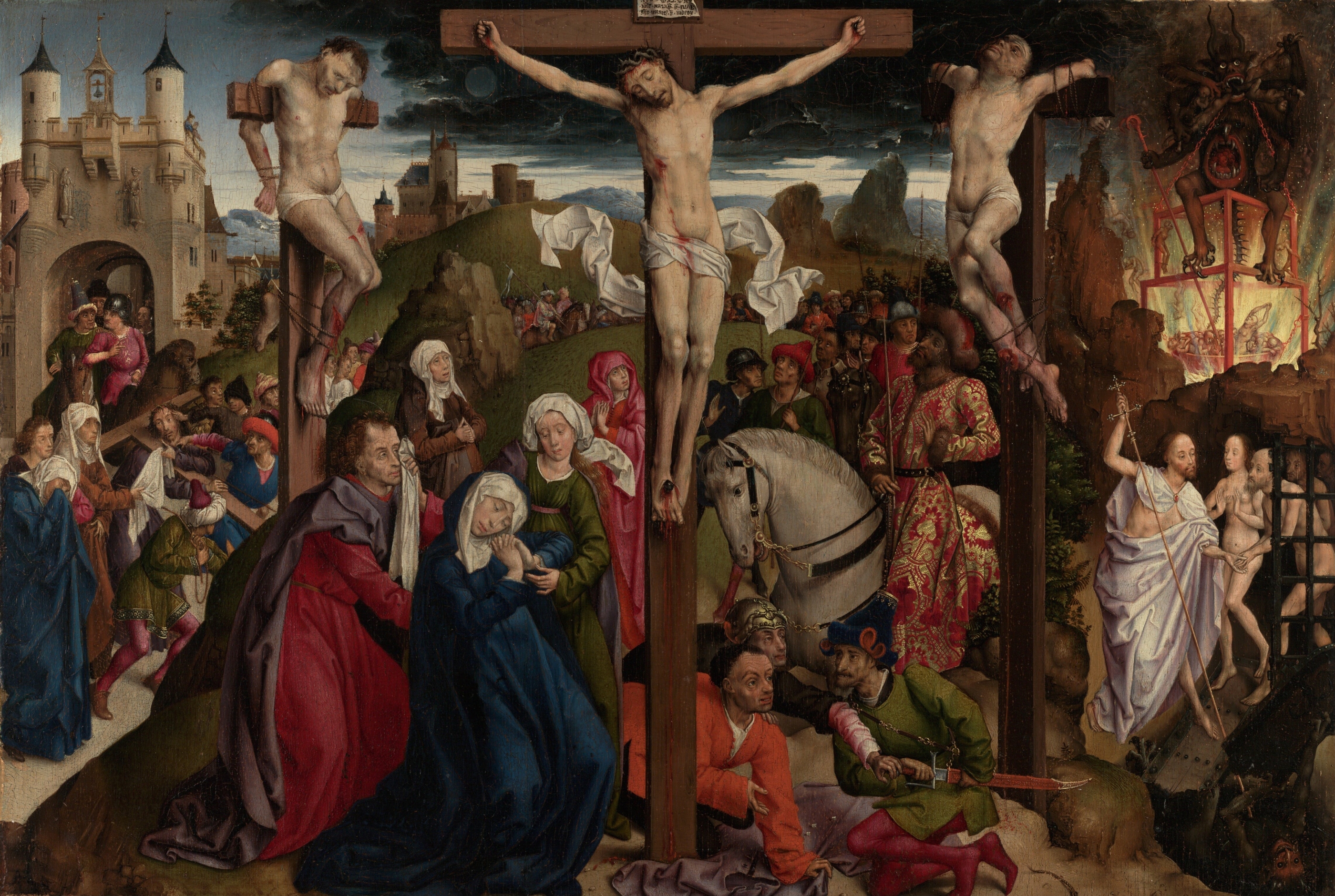
The most significant episode, however, is the passion and death of Jesus, where Mary is present at the cross (Jn 19:25-27). The testament of Jesus, addressed to both Mary and the beloved disciple, demonstrates the deep bond between the Mother and the Son. From this moment on, Mary assumes a spiritual maternal role for all the disciples, as an extension of Jesus’ love and care for his Church.
O Magnificat: Uma Cantata Pascal
The Magnificat of Luke 1:46-55 is a hymn of praise proclaimed by Mary, expressing her joy and gratitude for the divine choice that made her the Mother of the Savior. This song is a response to the grace received and an anticipation of the redemptive mission that the Son will fulfill. The Magnificat highlights paschal themes, such as the fall of the mighty (v. 52) and the exaltation of the humble (v. 53), foreshadowing Christ’s victory over the forces of evil and the restoration of humanity.
Conclusão: Maria e o Mistério Pascal
The Virgin Mary is intrinsically linked to both the Incarnation and the Resurrection, the central events of the paschal mystery. Her divine motherhood is a direct consequence of her Son’s redemptive mission. Throughout the centuries, the Church has recognized the importance of Mary in this salvific drama, honoring her as the “Mother of God” and the “Woman-Mother of the Church“.
The connection between Mary and the paschal mystery is not only historical but also theological. The spiritual motherhood of Mary continues to benefit humanity, guiding the disciples in obedience to the Gospel and revealing the depths of divine love. Thus, the figure of Mary remains at the center of the history of salvation, as a living witness of God’s grace and mercy.
On the Relationship Between the Incarnation, Resurrection, and Mary in Catholic Theology
Consult the Encyclical Redemptoris Mater by Pope John Paul II for insights into the Catholic understanding of the relationship between the Incarnation, Resurrection, and Mary.
Post-Graduate Studies in Mariology
Dive deeper into your formation in Mariology? Explore the Post-Graduate Studies in Mariology offered by Locus Mariologicus – an academic program that combines theological rigor, spiritual life, and the living tradition of the Church.
Would you like to study Mariology seriously?
This article draws on the works of the Locus Mariologicus library. The Postgraduate Programme in Mariology takes you to the same sources with academic guidance: Scripture, the Church Fathers and the Magisterium, from the first dogma to contemporary questions.

Responses