“Blessed is she who believed”: Luke 1:45 and Mary’s faith
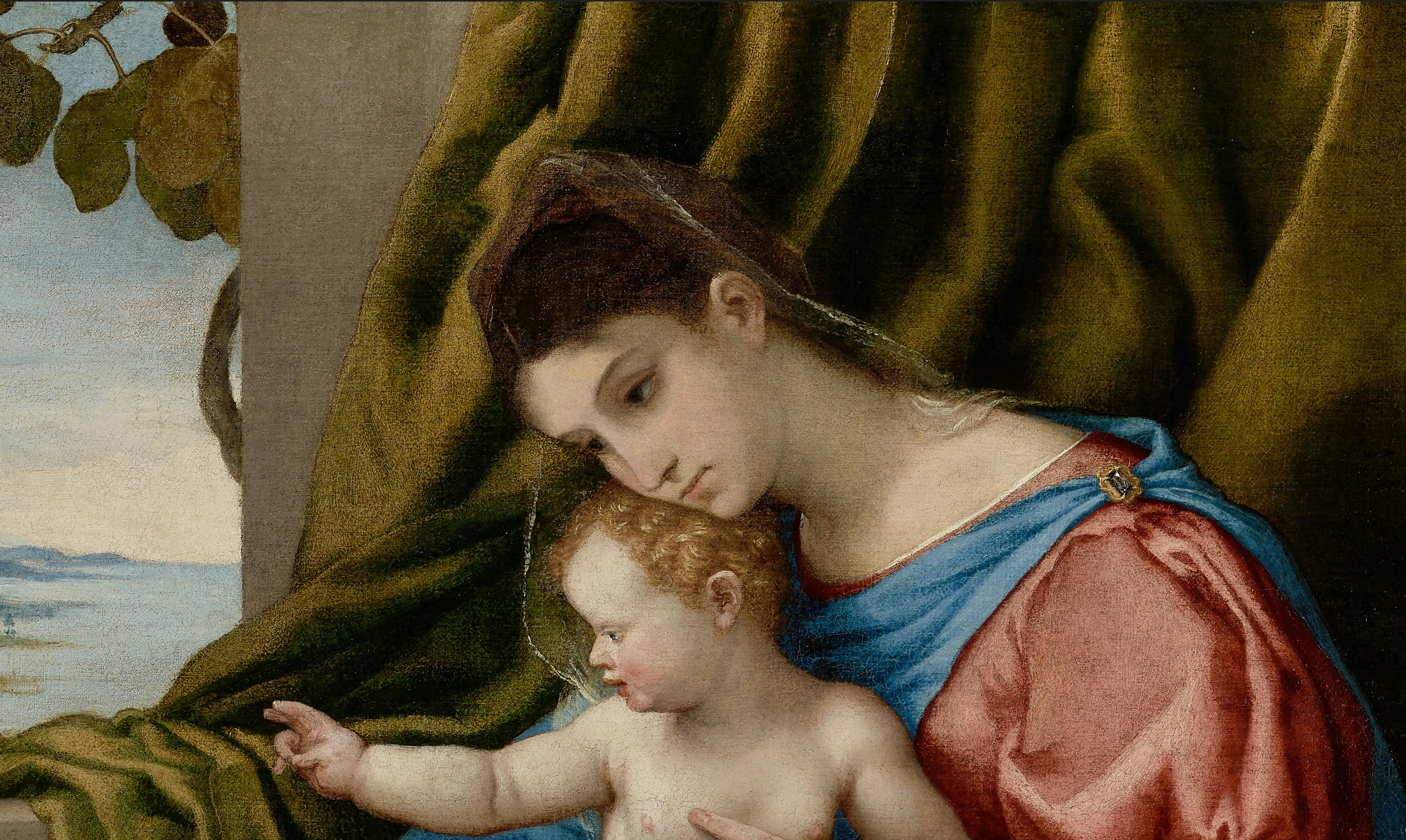
The narrative of Mary’s Visitation, described by Luke in his Gospel, is a chapter rich in symbolism and theology, exploring central themes of the Christian faith. This passage not only recounts a physical visit but also represents a spiritual journey where faith, generation, and mission are intertwined.
A Fé de Maria: Uma Resposta ao Chamado Divino
The story begins with an angel of the Lord appearing to Mary, a young virgin, to announce her an extraordinary news: she will conceive and give birth to a son, who will be called Jesus, and he will be the Savior of the world. Mary’s response is a notable example of faith and obedience. She says: “By saying ‘Yes’, I am the servant of the Lord; may it be done to me according to your word” (Luke 1:38). This response demonstrates an unshakable trust in the Word of God and a willingness to follow His will, regardless of circumstances.
Geração como Expressão de Fé e Missão
The Visitation is not merely an individual event but also has profound communal implications. When Mary visits her relative Elizabeth, who is pregnant with the prophet John the Baptist, joy and exultation are shared by all. The babies in their mothers’ wombs feel the happiness and blessing that hover over those women, revealing a spiritual connection that transcends generations.
The generation of a son is presented as a response to the divine mission. Isabel, in recognizing Mary as the Mother of the Lord, proclaims: “Blessed is she who believed that what the Lord said to her would be fulfilled” (Luke 1:45). Here, Mary’s faith is exalted as the key to the fulfillment of the divine promise, and her generation is seen as a participation in God’s mission to save humanity.
A Missão de Maria no Reino de Deus
The narrative of the Visitation also highlights Mary’s role as a missionary of the Kingdom of God. Her visit to Elizabeth is not merely a social occasion but an opportunity to spread the good news and foster communion. By sharing the joy of God’s presence, Mary actively participates in the divine mission of bringing life, hope, and salvation to the world.
The blessedness proclaimed by Elizabeth is not only for Mary but also for all who hear her story. It is an exaltation of faith, generation, and mission as fundamental elements in the Christian life. The Visitation serves as a reminder that the Christian vocation involves not only believing in Jesus but also actively participating in His mission to save the world.
Implicações para a Educação e a Comunidade
The story of the Visitation offers profound insights into education and community formation. Mary’s response to the Word of God and her interaction with Elizabeth highlight the importance of intergenerational dialogue in transmitting faith. Babies, still in their mothers’ wombs, are sensitive to spiritual joy, suggesting that religious education begins from the very start of life.
Beyond this, the Visitation highlights the role of women in transmitting faith and building strong communities. Mary and Elizabeth, through their friendship and communion, become models for future generations, showing how faith can unite and strengthen communities.
Conclusão: Uma Jornada Contínua de Fé e Missão
The Visitation of Mary is much more than a historical event; it is a spiritual journey that continues to inspire and challenge Christians. Her faith, generosity, and mission are a model for all who seek to live a full life in God. By exploring the depths of this biblical narrative, we can find guidance for our own journey of faith, learning, and service in the Kingdom of God.
Regarding the faith of Mary celebrated in the words of Luke 1:45, “[Mary is] blessed among women,” refer to the Encyclical Redemptoris Mater by Pope John Paul II.
Master’s Program in Mariology
Would you like to deepen your formation in Mariology? Discover the Master’s Program in Mariology from Locus Mariologicus – an academic program that combines theological rigor, spiritual life, and the living tradition of the Church.
Would you like to study Mariology seriously?
This article draws on the works of the Locus Mariologicus library. The Postgraduate Programme in Mariology takes you to the same sources with academic guidance: Scripture, the Church Fathers and the Magisterium, from the first dogma to contemporary questions.

Responses