Unveiling Mary’s Nativity: A Puzzle for Church Tradition
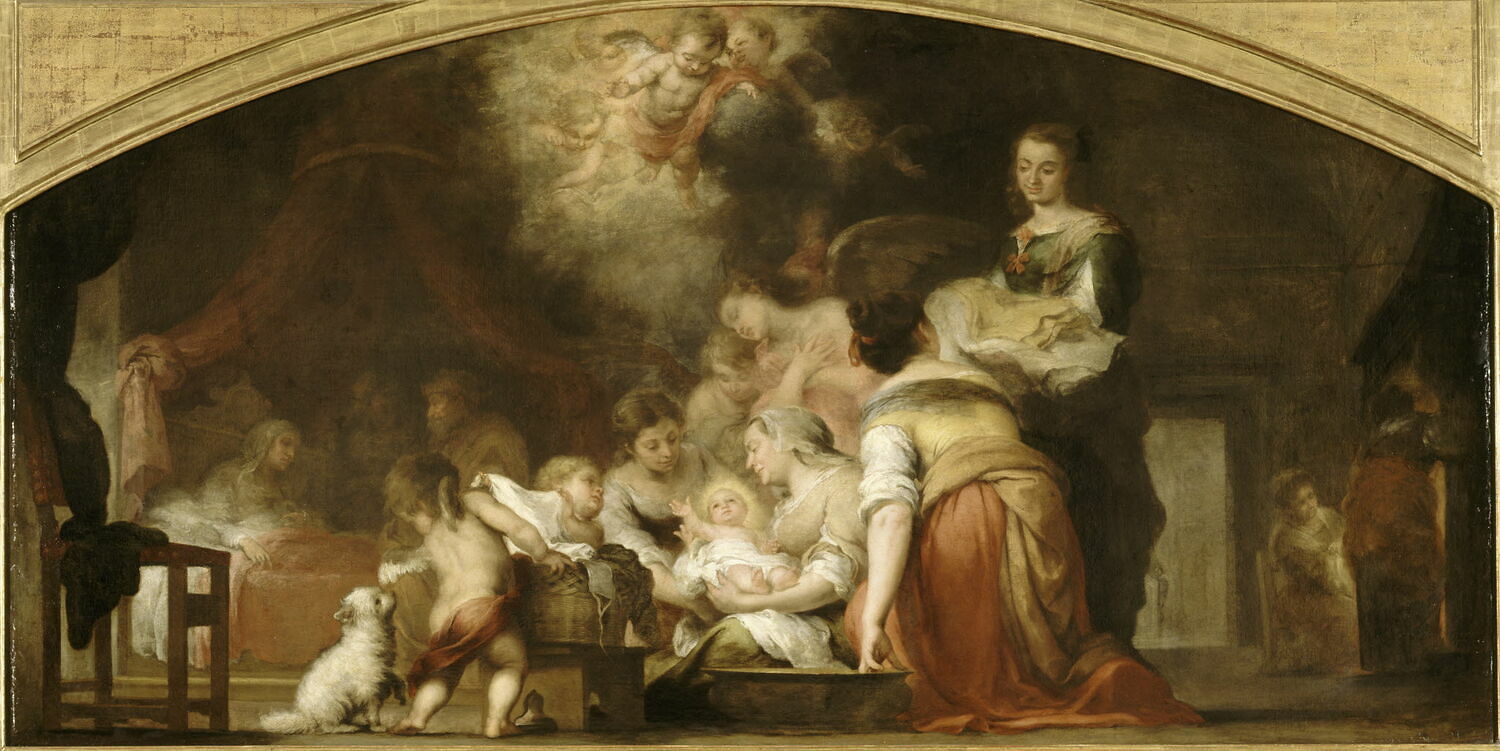
The Nativity of Mary: A Reflection on Its Importance in Ecclesiastical Tradition
The reader may wonder: *If Ecclesiastical Tradition did not exist, could we discuss the Nativity of Mary?* This question, though bold, leads us to explore the historical context behind the birth of the Mother of Jesus.Although the Nativity of Mary is not a direct biblical event, it holds immense significance in human history. If Jesus is truly human, this is due to His mother, Mary, and the narrative surrounding her birth.The Historical Context: Jerusalem, the Holy City
To understand the meaning of the Nativity of Maria, let us consider Jerusalem, the sacred city for the Hebrews. Here, we see the connection between the Old and New Covenants, symbolized by the Temple and the birth of the new Ark of God’s Covenant with humanity: Mary. In Jerusalem, biblical typologies shape the feasts and sanctuaries, making the Nativity of Maria meaningful.Liturgical Celebration and Tradition
The earliest traces of the celebration of the Nativity of Maria date back to the fifth century, with a hymn composed by Romanos the Melodist, introduced in Constantinople in 555. In the Latin Church, the feast was included in the liturgical calendar by Pope Theodore in the seventh century.For the Ancient Church, this celebration was a memorial of the fulfilled messianic prophecies and the preparation of the Old Covenant. As the liturgy evolved, all events leading up to Christ’s Passover were commemorated, including Mary, the Apostles, and the Church of Jerusalem. The tradition of figures from the Old Testament and oracles became part of the mystery of salvation celebrated.Mary and the Fulfillment of Prophecies
For Jesus to be the fulfillment of Scripture, His life had to demonstrate the realization of messianic prophecies. Here, Mary’s Nativity comes into play, as Jesus is called the son of David due to his legal lineage with Joseph, though it is unknown whether Mary was a descendant of David or of priestly lineage.An interesting fact: historically, blessings were transmitted only through male bloodline. However, in the genealogy of Jesus, we find four women, suggesting that from the earliest centuries, Mary was primarily seen in her spiritual and religious aspect, in contrast to the modern tendency to explore her anthropological history.The Liturgical Importance
The liturgy of the Nativity reveals how the readings from the Prophet Micah, the Letter to the Romans, and the Gospel of Matthew intertwine to demonstrate the fulfillment of Scripture and the preparation for the birth of the Savior.The celebration of the Nativity of Mary is fundamental to understanding the journey of salvation and the connection between the Old and New Testaments. It highlights the vital role of Mary in the history of redemption, making her story an indispensable link in salvation.### Archeology and Patristic TraditionArchaeology indicates the location of Mary’s birthplace, near the Pool of Bethesda, which became a place of worship in the fifth century. This feast is part of the “Three Great Nativities”: Jesus on December 25, John the Baptist on June 24, and Mary on September 8, a significant date marking the dedication of the Basilica of the Nativity.The Byzantine liturgical year begins on September 1st, making the birth of Mary the start of a profound spiritual journey. The Dormition of the Theotokos (Mary, the God-bearer) on August 15th prepares the ground for the Nativity-Revelation cycle, reminding us that there is no Messiah without the Paschal Mystery, which is fulfilled in the womb of Mary.Conclusion
The Nativity of Mary, though not directly recorded in the Bible, plays a crucial role in the history of salvation. It connects us to the messianic promise, the preparation of the Old Covenant, and the beginning of the New Covenant. Celebrating the Nativity of Mary is recognizing the hope and dawn of salvation for all humanity.For a deeper understanding of Mary’s place in the history of salvation, we recommend reading John Paul II’s Encyclical *Redemptoris Mater*.Explore also: Mariology, Marian Theology, Marian Apparitions and Postgraduate Studies in Mariology to deepen your studies on this fascinating topic.Graduate Studies in Mariology
Desire to deepen your formation in Mariology? Discover the Graduate Studies in Mariology from Locus Mariologicus, an academic formation that combines theological rigor, spiritual life, and the living tradition of the Church.
Would you like to study Mariology seriously?
This article draws on the works of the Locus Mariologicus library. The Postgraduate Programme in Mariology takes you to the same sources with academic guidance: Scripture, the Church Fathers and the Magisterium, from the first dogma to contemporary questions.

Responses