Adamantius
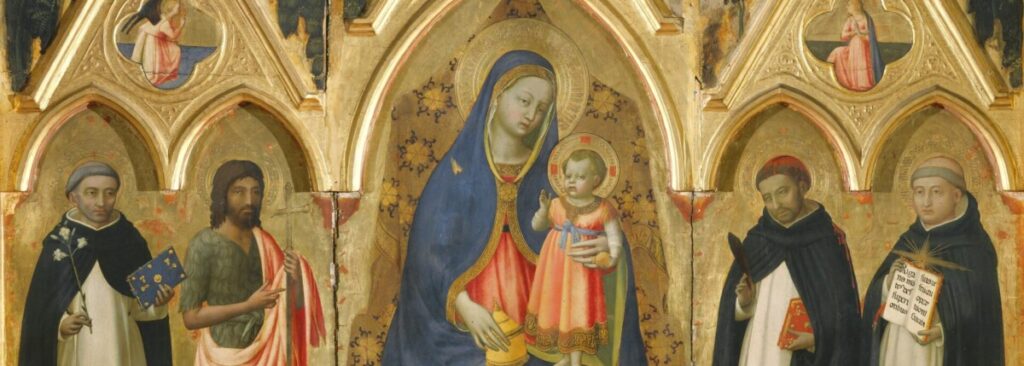
Adamancio and the Doctrine of the Immaculate Conception
The presented text is a transcription of a dialogue between Adamancio, Marino, and Eutropio about the nature of the Incarnation of the Word of God and the role of Mary, the Mother of Jesus. This theological debate highlights the importance of the doctrine of the Immaculate Conception, which affirms that Mary was conceived without original sin.Summary of the Dialogue:
– Adamancio defends the idea that the Word of God became flesh through Mary, immaculate and without human union. He argues that the Word of God, being impassible and immutable, did not become indignant in assuming human nature. – Marino disagrees, asserting that the Word did not pass *through* Mary but *from* her, thus denying Mary’s full participation in the process of Incarnation. – Eutropio, the moderator, encourages both sides to present their definitions and arguments. He questions Marino’s logic, suggesting that denying Mary’s full participation in the Incarnation disrespects the divine plan. – Adamancio cites the words of the angel to Mary in the Gospel of Luke, emphasizing that the Word was born *of* Mary, not *through* her. He argues that divinity did not shy away from assuming human nature. – Eutropio counters that accepting the passage of the Word through Mary is dignified, while denying her active participation is shameful and contradicts the divine plan.Theological Context:
This dialogue captures the essence of a profound theological debate on the nature of Incarnation and Mary’s role in this mystery. The doctrine of the Immaculate Conception, defended by Adamancio, is central to Christian theology, particularly regarding Mary’s purity and grace.The encyclical *Redemptoris Mater* by Saint John Paul II offers a comprehensive view of Mariology, exploring the role of Mary in salvation and her relationship with the Incarnate Word. This document is an important reference for those who wish to deepen their knowledge of Marian theology.Implications and Recommended Studies:
– Mariology: Studying Mariology allows a deeper understanding of Mary’s role in the history of salvation, her relationship with the Word, and the mysteries surrounding her life. – Marian Theology: Marian theology explores the various dimensions of the doctrine of Mary, including her Immaculate Conception, Assumption, and her role as intercessor. – Marian Apparitions: Marian apparitions, such as those in Fatima and Lourdes, are events that inspire faith and devotion to Mary. – Postgraduate Studies in Mariology: For those who wish to pursue an in-depth study, a postgraduate program in Mariology offers a unique opportunity to explore the richness of the Marian tradition and its relevance in contemporary theology.Graduate Studies in Mariology
Wishing to deepen your formation in Mariology? Discover the Graduate Studies in Mariology from Locus Mariologicus, an academic formation that combines theological rigor, spiritual life, and the living tradition of the Church.


Responses