The plural presence of Mary in the Church
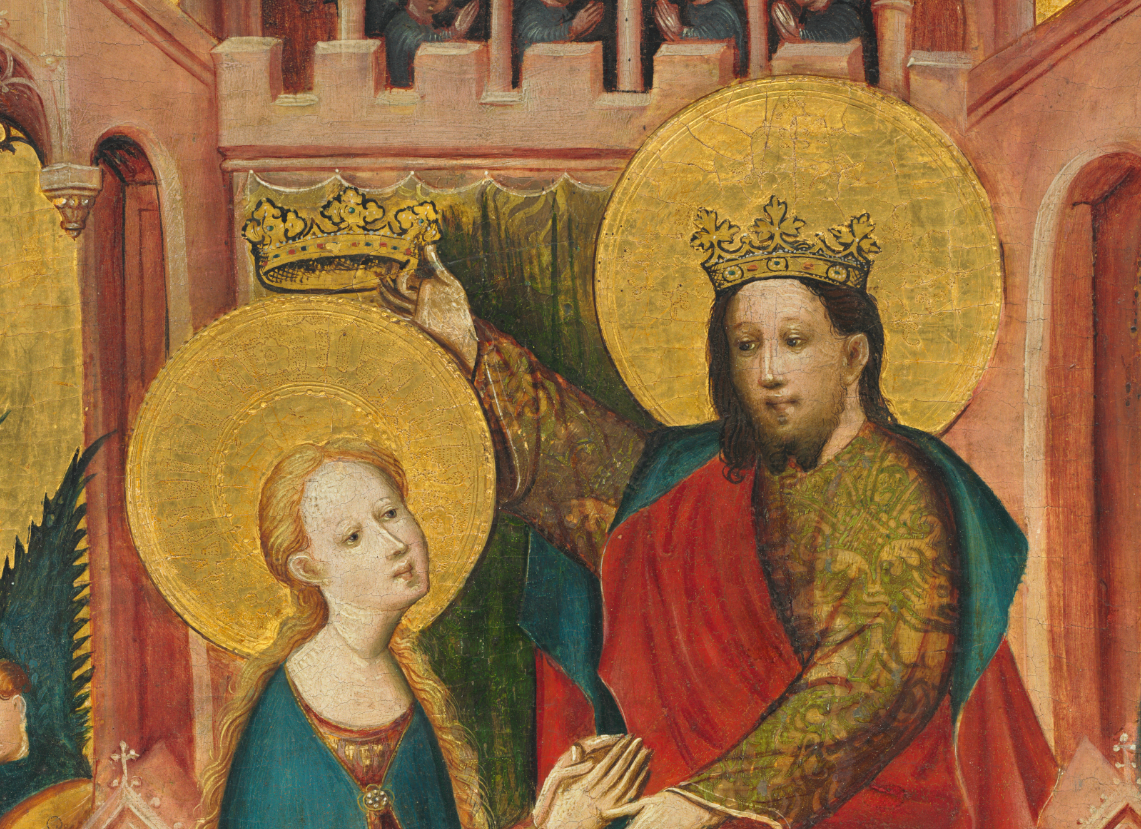
The Virgin Mary, mother of Jesus, is a central figure in the Christian faith and holds a unique role in the Church and human history. This text explores the deep connection between Mary and the apostolic mission of the Church, highlighting her influence on various aspects of spiritual and social life.
A Natureza Divina e Humana de Maria
The Mariology, the study dedicated to the Virgin Mary, reveals the extraordinary nature of this woman. Mary is recognized as the Mother of God (Theotokos) for her role in the incarnation of the Word, giving birth to Jesus Christ, fully God and fully man. Her Immaculate Conception, free from original sin, and her Assumption into heaven are fundamental doctrines that emphasize her holiness and dignity.
Maternidade Espiritual e Presença Transversal
Mary is described as the “Mother of the Church,” and her presence in Christian history is multifaceted. Her spiritual motherhood extends beyond the boundaries of the Christian community, influencing men and women from diverse backgrounds. The visit to Saint Elizabeth and the wedding at Cana are examples of how Mary interacts with others, promoting mercy, joy, and communion.
The presence of Mary in the Church is called “transversal,” indicating her influence at all levels of life and mission of the Church. She inspires and guides Christians and non-Christians to live lives more aligned with the values of the Kingdom of God.
Estilo de Vida Mariano
The experience of Mary encourages a “marian” way of life in the Church:
– Sacramental nature: An intense life of grace through participation in the sacraments, reflecting Mary’s union with Christ.
– Communion: Promoting unity and solidarity among the baptized, following Mary’s example in her acceptance and mutual support.
– Life and Mission: Creating a culture of life, opposed to the harshness of the world, and witnessing the Gospel through concrete actions.
– Paschal experience: Accepting pain and suffering as paths to salvation, reflecting Christ’s passion.
Conclusão: Uma Simbiose entre Fé e Vida
The Virgin Mary serves as a point of convergence between faith and life, between doctrine and practice. The Church, inspired by Mary, seeks to live and bear witness to the Gospel in an authentic and effective manner. The Marian style of life is a response to Christ’s call for his followers to be “the salt of the earth” and “the light of the world”.
In studying Mariology and exploring the various manifestations of its influence, Christians can deepen their understanding of the Virgin Mary and her vital role in the Church’s apostolic mission.
On the Plural Presence of Mary in the Life of the Church
Consult the Encyclical Redemptoris Mater by Pope John Paul II regarding Mary’s multifaceted role within the Church.
Post-Graduate Program in Mariology
Desire to deepen your formation in Mariology? Discover the Post-Graduate Program in Mariology offered by Locus Mariologicus, an academic program that combines theological rigor, spiritual life, and the living tradition of the Church.
Would you like to study Mariology seriously?
This article draws on the works of the Locus Mariologicus library. The Postgraduate Programme in Mariology takes you to the same sources with academic guidance: Scripture, the Church Fathers and the Magisterium, from the first dogma to contemporary questions.

Responses