Christian hope in the 3rd century
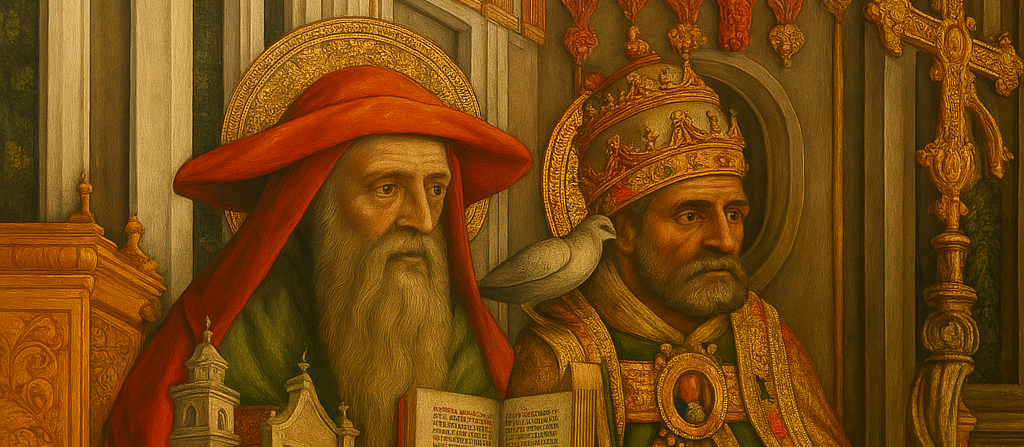
In the third century, Christian theology undergoes a period of intense development amid challenges such as increasingly severe persecutions and the struggle against Gnostic heresies. In Alexandria, Clement and Origen emerge as key figures, engaging with Hellenistic culture and deepening the understanding of hope (spes). This virtue, which becomes an indispensable force to sustain faith in difficult times, manifests itself both in the defense of resurrection and in the affirmation of a spiritual life oriented toward upward progress.The Alexandrian theology flourishes in an intellectual environment marked by Greek philosophy and the meticulous study of Scripture. Both Clement of Alexandria and Origen made use of exegetical methods and Hellenistic philosophical conceptions to interpret biblical texts on hope.Clement of Alexandria and Origen developed the idea of spiritual progress in works such as *Peri Archon* (De Principiis 1, 7, 5) and in Origen’s commentary on Romans, maintaining that the Christian advances from the provisional to the definitive, seeking “higher realities”.The third century is also marked by controversies with Gnostics who denied the resurrection, diminishing the importance of the corporeal element in salvation. Clement and Origen responded to these heresies, reaffirming the resurrection of the body and the goodness of creation, arguing on the basis of God’s omnipotence and faithfulness.The theme of speres paenitentiae (hope in conversion) also stands out. Clement, for example, emphasizes the possibility of reconciliation: “The door of repentance is never closed to those who turn to God. Hope is the bridge by which we return to the merciful Father”.The influence of Hellenistic philosophy and pastoral needs resulted in a theology of progress, where the spiritual journey is seen as a gradual ascent toward the transcendent. Amidst persecutions, Gnostic heresies, and collective fears, hope becomes a key element to encourage the faithful, strengthen ecclesiastical cohesion, and offer a comforting vision of human history.In the third century, the doctrine of hope experienced a notable deepening in the Alexandrian school, shaping the content and pastoral function of hope. The Alexandrian Theology of the third century not only preserved the tradition of earlier Fathers but also enhanced the reflection on hope, making it a pillar of the Christian spiritual journey, a continuous progress toward the heights of communion with God.The Christian hope of the third century is studied in the context of the tradition presented in *Spe Salvi* by Benedict XVI, which follows the evolution of Christian hope up to the modern era. To deepen the theology of Marian hope, consult the Encyclical *Redemptoris Mater* by Pope John Paul II.
Graduate Studies in Mariology
Wishing to deepen your formation in Mariology? Discover the Graduate Studies in Mariology from Locus Mariologicus – an academic formation that combines theological rigor, spiritual life, and the living tradition of the Church.

Responses