The divine motherhood of Mary (January 1st)
Historical Aspect
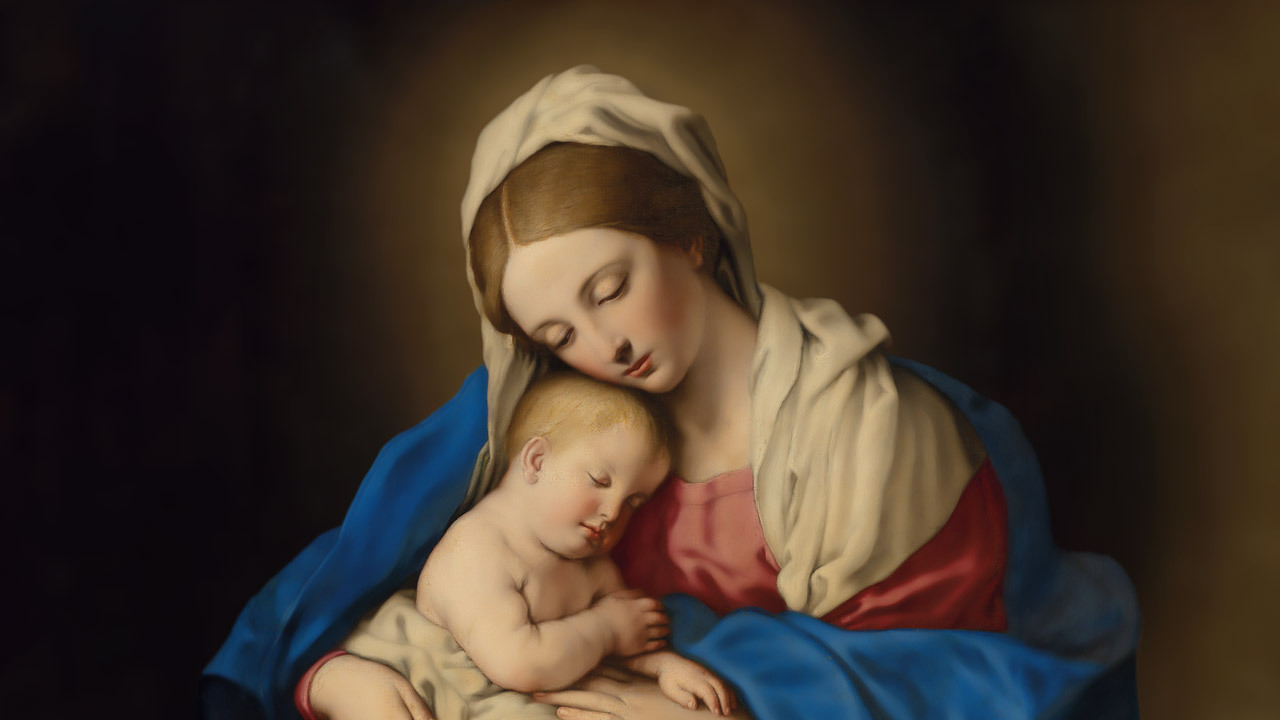
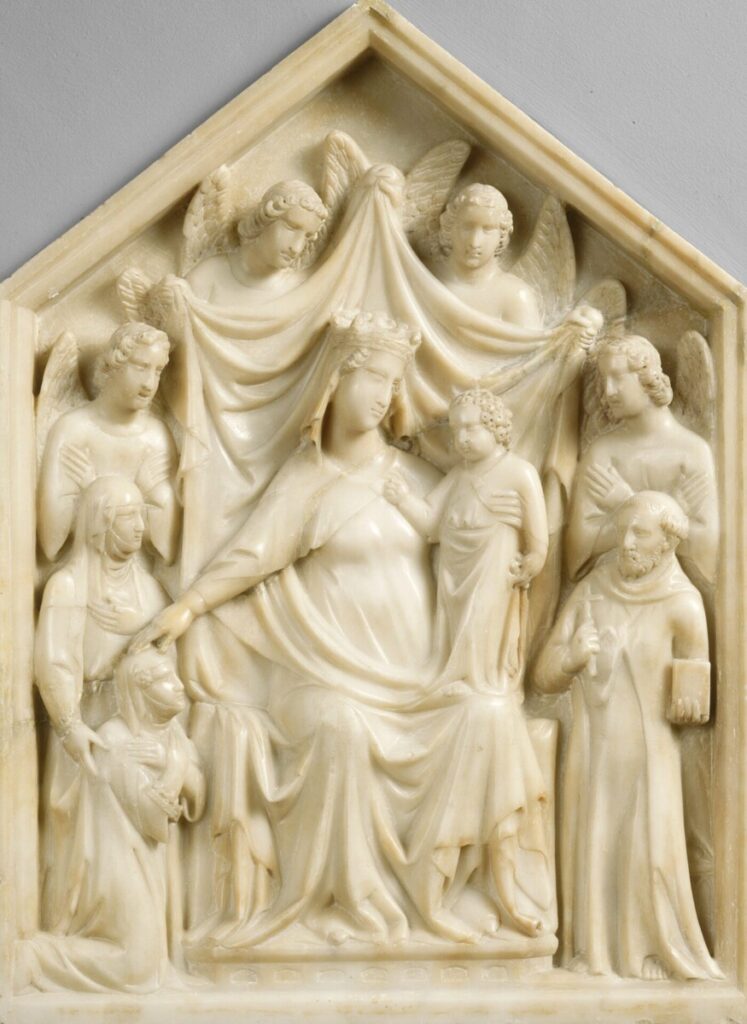
On the octave of Christmas, and precisely on January 1st, when the civil year begins, the renewed “new” Roman Missal celebrates the solemnity of the Blessed Virgin Mary, Mother of God, thus resuming an ancient custom of the Church, both Eastern and Western.The Liturgy and Devotion to Mary
Indeed, even before the Council of Ephesus (431), the Church honored the Virgin Mary and invoked her as Mother of God. Since ancient times, the liturgy celebrated the Virgin Mary with the title of Mother of God, even when there was no particular day dedicated to this celebration. This is attested by the liturgical texts of the fourth century and later, where the expression “the Blessed Virgin Mary, Mother of God” appears in the Canon of the Mass.All Marian feast or celebration was an occasion to exalt and highlight this singular privilege of the Lady: having given birth in the flesh to the Son of the Eternal Father. Therefore, initially, little attention was paid to dedicating a proper feast to the Virgin Mary as Mother of God. All Marian liturgy is a hymn of praise and exaltation to the divine motherhood of Mary, to which all other privileges that preceded and followed the existence of Mary are linked.In 1931, Pope Pius XI, on the occasion of the XV centenary of the celebration of the Council of Ephesus, extended the liturgical celebration of the Mother of God to the entire Church, setting the date on October 11th, as was already happening in some places.The Date and Its Historical Basis
This date, however, is recent and has little historical basis. Ancient liturgical texts, including the Gregorian Sacramentary, testify that during the octave of Christmas, the role and mission of the Mother of Lord Jesus were especially remembered. Later, the Gallican liturgy influenced the Roman one, leading to the celebration of the octave of Christmas as the central moment for Mary.The Dogmatic Definition of “Theotokos”
The dogmatic definition of Mary as “Theotokos” (Mother of God) by the Council of Ephesus (431) is analyzed in depth in the Apostolic Exhortation “Marialis Cultus” by Paul VI, which justifies the solemnity of January 1st in the oldest liturgical tradition.Deepening the Study of Mariology
Explore Mariology, Marian Theology, Marian Apparitions, and the Postgraduate Program in Mariology for a deeper understanding of the figure and role of Mary in Christian faith.Graduate Studies in Mariology
Wishing to deepen your formation in Mariology? Discover the Graduate Studies in Mariology from Locus Mariologicus – an academic formation that combines theological rigor, spiritual life, and the living tradition of the Church.
Would you like to study Mariology seriously?
This article draws on the works of the Locus Mariologicus library. The Postgraduate Programme in Mariology takes you to the same sources with academic guidance: Scripture, the Church Fathers and the Magisterium, from the first dogma to contemporary questions.

Responses