Popular Marian devotions during Advent
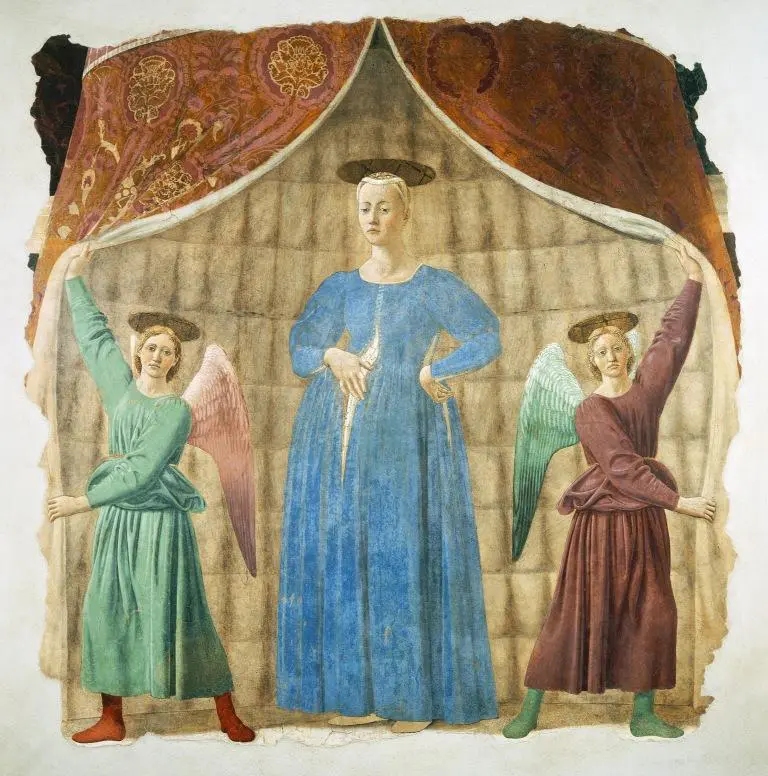
Introduction: Mary and Popular Piety in Advent
The period of Advent, marked by expectation and preparation for Christmas, is also enriched by various devotional practices dedicated to Saint Mary. In this text, we will explore the dimension of Marian popular piety during Advent, highlighting how these traditions manifest themselves and enrich the spiritual experience of the faithful in this special liturgical time.Marian Devotion at the Heart of Advent
Devotion to Mary during Advent is not limited to isolated rituals but is a living expression of Catholic faith. These practices, rooted in history and tradition, allow the faithful to establish a tangible connection with the spirituality of Advent and with the figure of Mary as a model of faith and hope.Practices Recommended by the Liturgical Directory
The Liturgical Directory, an important source of guidance for liturgical and devotional practice, suggests several ways to honor Mary during Advent. Among them:– **Advent Wreath:** A tradition involving the creation of a decorative wreath with four candles, symbolizing the weeks of Advent. – **Processions:** Events that may include processions with images of Mary, providing a festive and devotional atmosphere. – **”Tempora d’inverno”:** A period of spiritual reflection focused on preparing for Christmas, often accompanied by specific biblical readings. – **Christmas Novena:** A practice of prayer and reflection that spans nine days, culminating on Christmas Eve. – **Nativity Scene:** The setup of a nativity scene, representing the birth of Jesus, is a popular tradition that involves the whole family.### The Novena of the Immaculate: A Central Practice of Advent The Novena of the Immaculate, performed in anticipation of the feast of the Immaculate Conception, is a focal point of Marian devotion during Advent. The Liturgical Directory (no. 102) highlights the importance of this practice, which goes beyond a simple tradition, offering a deep spiritual experience. During the novena, the faithful contemplate the purity and grace of Mary, her choice by God as the mother of Jesus, and the impact of this on their own journeys of faith.### The Meaning of the Angelus Domini in Advent Another common devotional practice during Advent is the Angelus Domini, a prayer recited three times a day. This prayer recalls the announcement of the angel Gabriel to Mary, encapsulating the incarnation of Christ and Mary’s response of faith. During Advent, the Angelus helps the faithful align themselves with the spirit of waiting and hope that Mary exemplified.### The Litany of Santa Maria de la Esperanza A significant tradition for Latin American communities is the celebration of Our Lady of Guadalupe during the Advent period. The Litany of Santa Maria de la Esperanza is an expressive form of prayer that exalts Mary as a symbol of hope and faith. This litany invites the faithful to reflect on Mary, not only as the Mother of God but also as a model of unshakable faith and enduring hope.### Mary and the Journey of Advent The veneration of Mary during this liturgical period is an essential part of the spiritual journey of Advent. The recommended practices offer the faithful opportunities to connect with sacred history and experience Advent in a deeper and more meaningful way. Mary, as an archetype of waiting and hope, serves as a beacon for all of us during the preparation for Christmas.For a more comprehensive understanding, the Church’s magisterium provides guidance in the Apostolic Exhortation *Marialis Cultus* by Pope Paul VI, which offers directives for Marian devotion within the context of the liturgical year. Access the full document at Marialis Cultus (Paul VI).Deepening your studies in Mariology, Marian Theology, Marian Apparitions, and the Postgraduate Program in Mariology can further enrich your understanding of this theme.Graduate Studies in Mariology
Wishing to deepen your formation in Mariology? Discover the Graduate Studies in Mariology from Locus Mariologicus, an academic formation that combines theological rigor, spiritual life, and the living tradition of the Church.
Would you like to study Mariology seriously?
This article draws on the works of the Locus Mariologicus library. The Postgraduate Programme in Mariology takes you to the same sources with academic guidance: Scripture, the Church Fathers and the Magisterium, from the first dogma to contemporary questions.
Responses