The popular Christian understanding of the Immaculate Conception
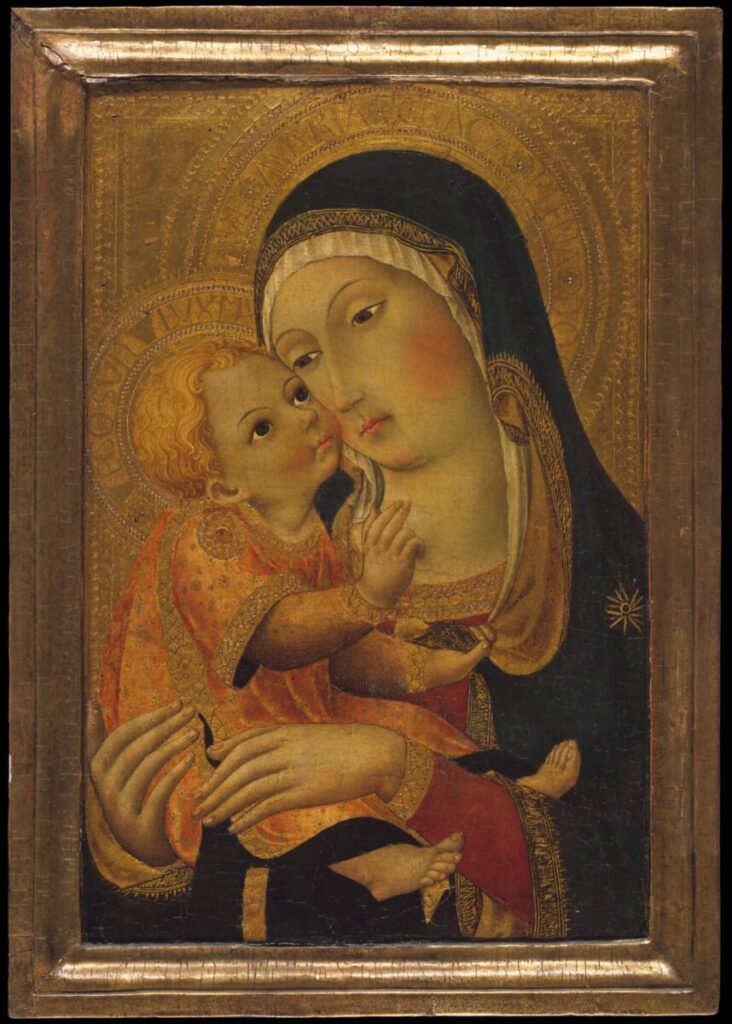
The Immaculate Conception of Mary is one of the most revered and debated dogmas in the Christian tradition, with a rich history dating back to the earliest centuries of Christianity. This article explores the evolution of understanding and faith surrounding this dogma, highlighting the crucial role of popular devotion and the sensus fidelium.
As Origens e a Tradição Primitiva
The quest for understanding the Immaculate Conception begins with the earliest Christian texts. The Protoevangelium of James, an apocryphal but significant text, describes Mary as free from any stain, an idea that echoes in other biblical passages. For example, the prophet Isaiah (7:14) prophesies about the virgin who will conceive and give birth to the Messiah, suggesting a conception without sin.
The early tradition also offers clues. The Church Fathers, such as Saint Gregory of Nazianzus and Saint John Chrysostom, spoke about the exceptional purity of Mary, although not explicitly about the Immaculate Conception. The idea that Mary was free from any stain was part of their reverence for her as the Mother of God.
O Movimento Universitário e a Devoção Popular
In the 17th century, a dynamic university movement in favor of the Immaculate Conception gained strength. This movement, centered on universities such as Granada and Seville, quickly spread among religious orders, confraternities, and lay faithful. The celebration of the feast of the Immaculate Conception became universal in the Catholic Church, reinforcing its position as a well-established truth of faith.
Popular devotion played a crucial role in this history. Paintings such as Murillo’s “Puríssima” (1685) captured the public imagination, while texts and prayers dedicated to the Immaculate Conception became popular. Influential women, such as Saint Bridget (d. 1373) and Beatriz da Silva (d. 1490), also contributed to the spread of this faith through their revelations and the founding of congregations dedicated to the Immaculate.
O Dogma Oficial: Ubi primum e Redemptoris Mater
Pope Pius IX, in proclaiming the dogma of the Immaculate Conception in 1854, relied on the ecclesial fact, including the practice and living tradition of the Church. He sent letters to all bishops of the world, seeking their opinions through the Encyclical Ubi primum. The positive responses confirmed the widespread faith in the Immaculate Conception.
The bull defining the dogma, *Ineffabilis Deus*, emphasizes the *sensus fidelium* (sense of the faithful) as a vital element in determining the truth of faith. This shift in focus, from a historical-theological analysis to living tradition and current faith, was significant. The encyclical *Redemptoris Mater* by St. John Paul II (1987) further deepened this understanding, highlighting the role of Mary at the heart of the Church and the Christian people.
Conclusão
The Immaculate Conception of Mary is a powerful example of how the Christian faith evolves and takes root in the lives of people and in the Tradition of the Church. Popular devotion, combined with the sensus fidelium, played a fundamental role in the formation and acceptance of this central dogma of Catholic faith.
Graduate Studies in Mariology
Would you like to deepen your formation in Mariology? Discover the Graduate Studies in Mariology from Locus Mariologicus, an academic formation that combines theological rigor, spiritual life, and the living tradition of the Church.
Learn more about the Immaculate Conception.
Would you like to study Mariology seriously?
This article draws on the works of the Locus Mariologicus library. The Postgraduate Programme in Mariology takes you to the same sources with academic guidance: Scripture, the Church Fathers and the Magisterium, from the first dogma to contemporary questions.

Responses