Mary’s Icons and Images: Art and Spirituality
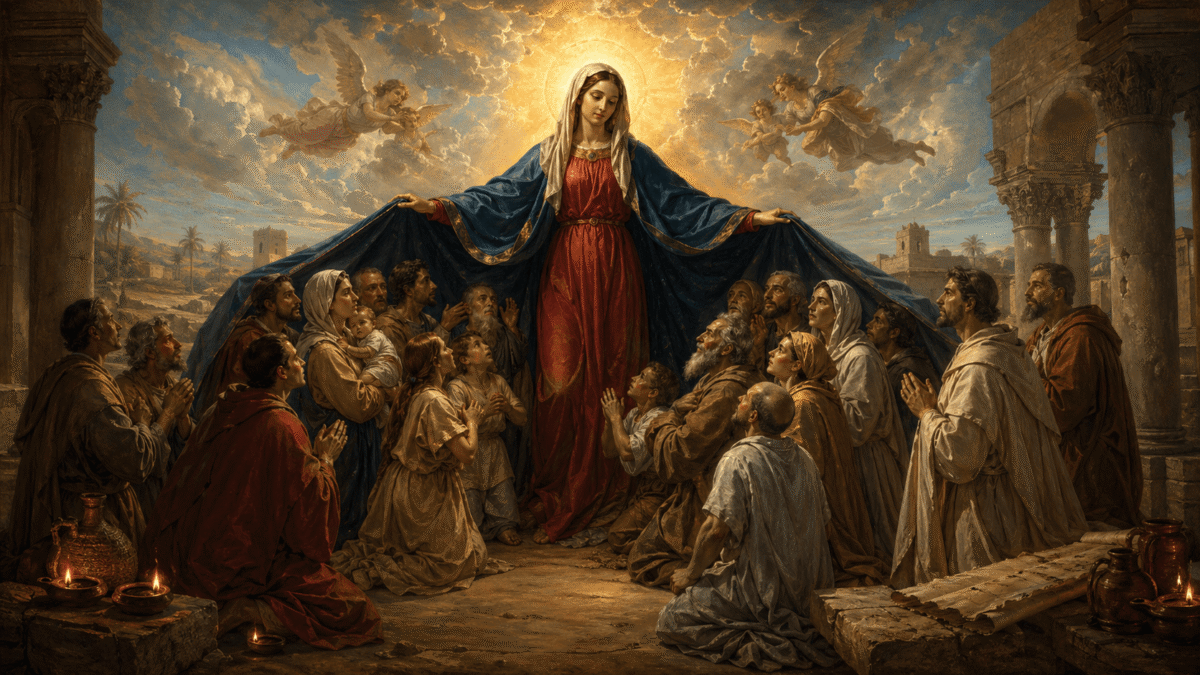
Icons and Marian Images: Art and Spirituality
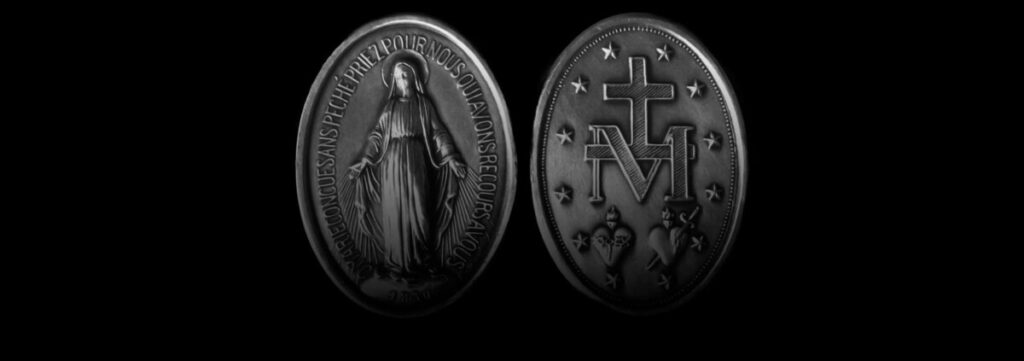
Marian Icons and Images as Theological Expressions
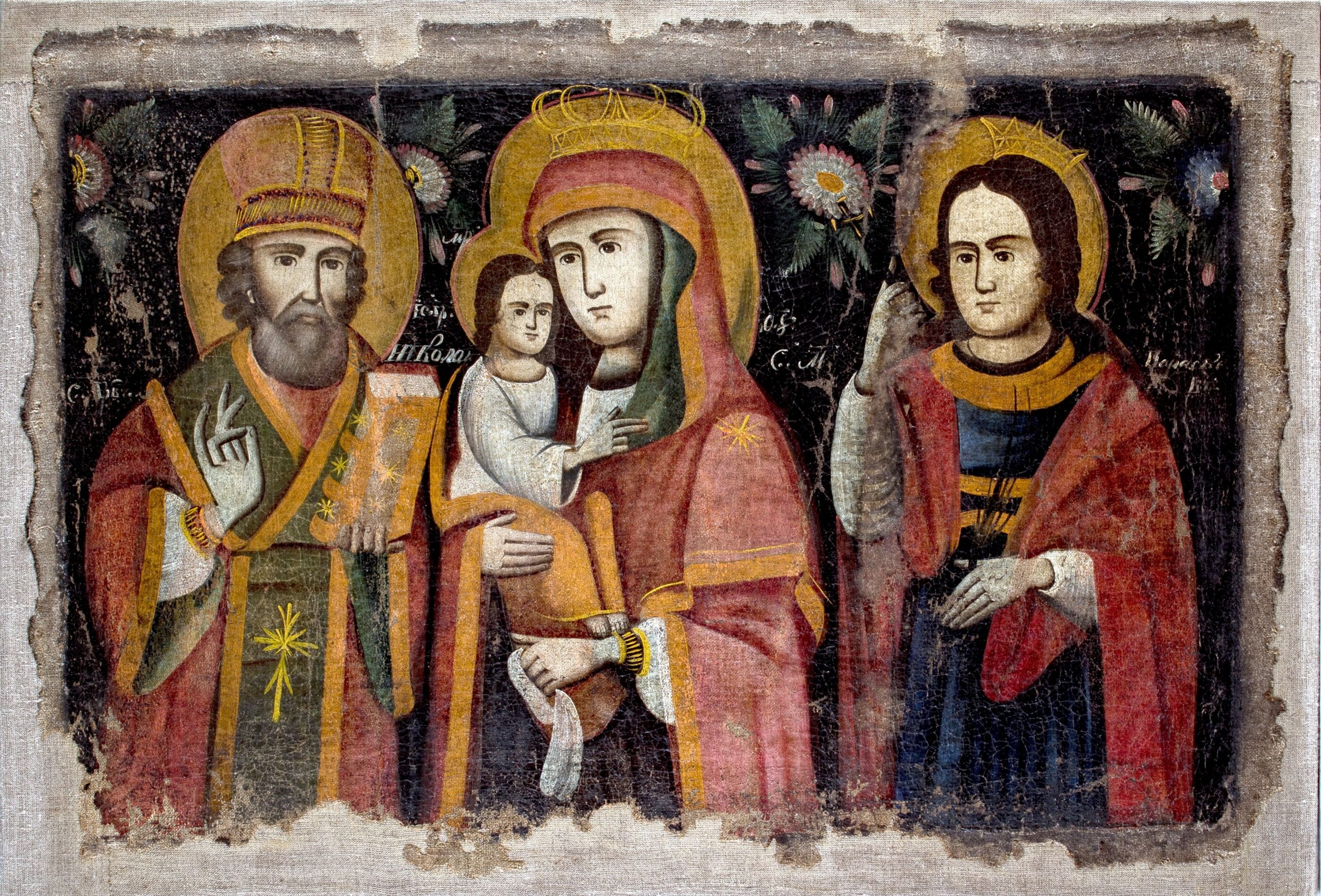
Marian icons and images are a privileged form of *theology in images*: they express through sacred art the Church’s faith in Mary. The Marian artistic tradition is as rich as the written tradition, and in many cases, it preceded it. For a comprehensive article: Marian Icons and Images.Major Iconographic Types
The most significant Marian iconographic types in the Eastern tradition include: *Hodegétria* (“She who shows the Way”), where Mary points to the Child as the Path; *Eleusa* (“Compassionate” or “Glicofilia”), depicting Mary and the Child face-to-face; *Orante*, Mary with her arms raised in prayer; and *Platytéra*, Mary holding the Child in her lap like a medal.The Iconoclastic Controversy
In the 8th-9th centuries, the Byzantine Empire was shaken by the iconoclastic controversy: emperors banned sacred images. The Second Council of Nicaea (787) affirmed the legitimacy of venerating images, including Marian ones. The honor paid to an image is directed towards its prototype; venerating an image of Mary is venerating Mary herself.Miraculous Images
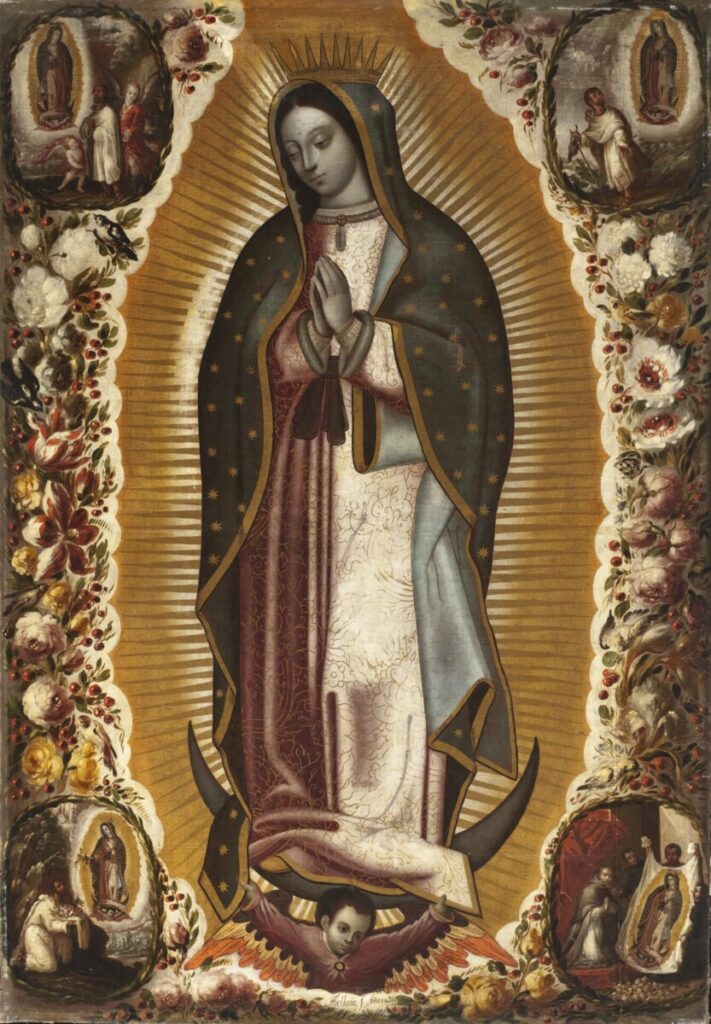
Some Marian images are venerated as *miraculous* or *acheiropoietos* (not made by human hands): Our Lady of Czestochowa, the Virgin of Guadalupe (whose image on Juan Diego’s mantle lacks a satisfactory technical explanation), and Our Lady of Cap-de-la-Madeleine. These images have become centers of pilgrimage and Marian devotion.Further Studies
Delve into Mariology, Marian Theology, Apparitions of Mary, and Marian Postgraduate Studies: Mariology, Marian Theology, Apparitions of Mary, and Postgraduate Studies in Mariology.—Church Magisterium
> *Imagines sacrae et icones Beatae Virginis in Ecclesia honori habentur non propter materiam ex qua fiunt, sed propter prototypum quod repraesentant.* > > — Concilium Nicaenum II (787), Definitio dogmatica, apud Denz.-Hün. 601Translation: Sacred images and icons of the Blessed Virgin are to be honored in the Church not for the material they are made of, but for the prototype they represent.Master’s in Mariology
Do you want to deepen your formation in Mariology? Discover the Master’s in Mariology from Locus Mariologicus, an academic formation that combines theological rigor, spiritual life, and the living tradition of the Church.
Discover the oldest Marian image in the Catacomb of Priscilla.
Would you like to study Mariology seriously?
This article draws on the works of the Locus Mariologicus library. The Postgraduate Programme in Mariology takes you to the same sources with academic guidance: Scripture, the Church Fathers and the Magisterium, from the first dogma to contemporary questions.
Responses