The Guadalupe Virgin
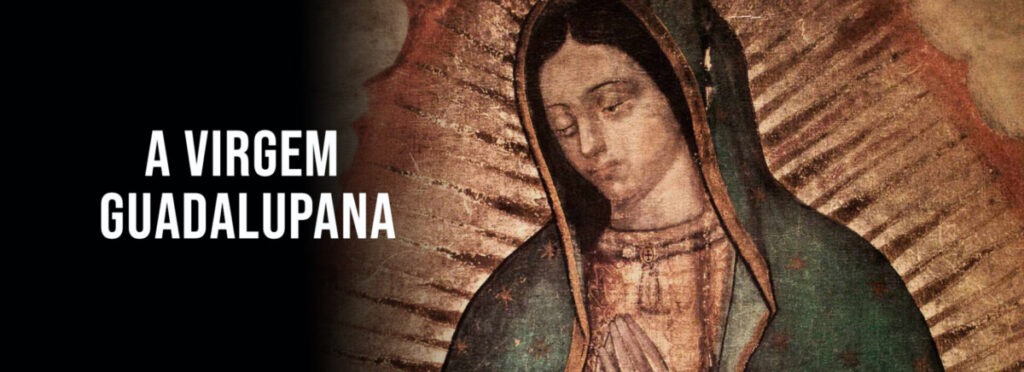
The story of Our Lady of Guadalupe is a fascinating chapter in the history of Christian faith and Mexican culture. This narrative recounts the apparitions of the Virgin Mary to an Aztec indigenous man named Juan Diego in the sixteenth century, leading to the creation of one of the most venerated Marian images in the world.
O Contexto Histórico
At the end of the fifteenth century, Mexico was dominated by the Aztec Empire, which worshipped multiple deities, including Tonantzin, the goddess of the moon and fertility. In 1519, Hernán Cortés, a Spanish explorer, arrived on the Mexican coast, initiating an era of dramatic changes for the region. The Spaniards brought with them their Christian faith, confronting it with indigenous religious practices.
As Aparições de Guadalupe
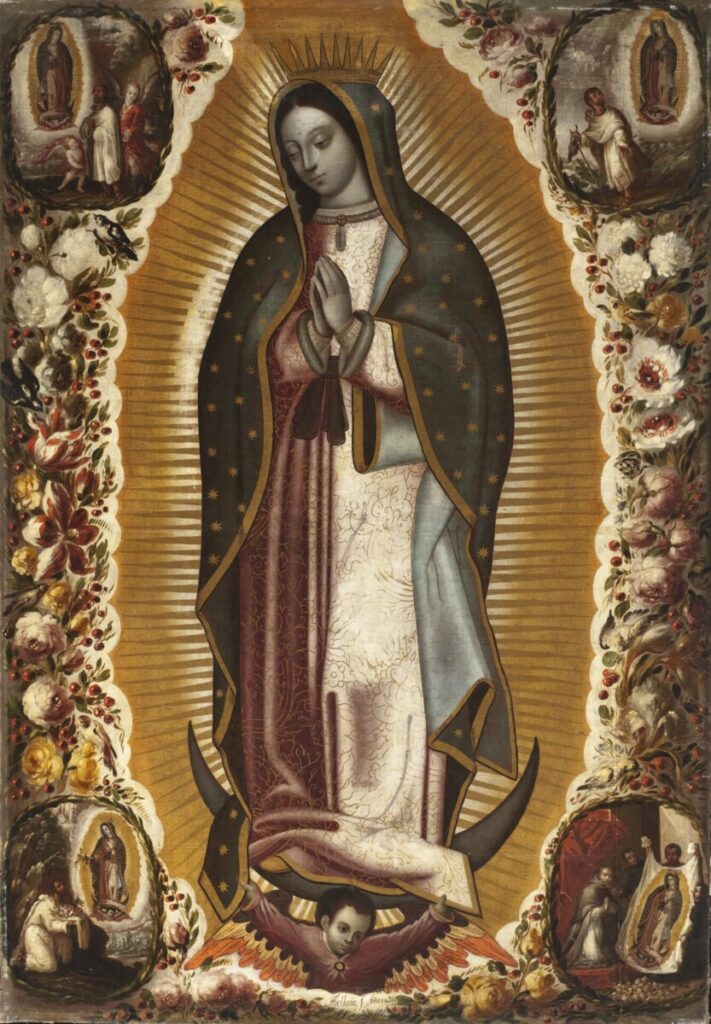
On December 9, 1531, Juan Diego, an indigenous convert to Christianity, had a transformative experience. While walking through the hills near the city of Mexico, he encountered a bright light and heard the voice of a woman asking him to go to the top of Tepeyac Hill. There, he saw a dazzling vision: the Virgin Mary, dressed in a blue cloak and a pink dress, with the radiant sun around her.
Maria asked Juan Diego to convey a message to the local bishop, Dom Sebastian Ramirez Fuenleal, requesting the construction of a chapel in her honor. Initially skeptical, the bishop was impressed when Juan Diego presented a fresh rose, as it was not the season for flowers to grow. The bishop then ordered the construction of a small chapel at the site of the apparitions.
A Imagem Milagrosa na Tilma
After the initial apparitions, Juan Diego was instructed by Mary to climb the hill again and gather more roses. When he opened his cloak to show the roses to those present, something extraordinary happened. A vivid image of the Virgin Mary, with the features of Juan Diego reflected in her eyes, appeared imprinted on the fabric. This image, known as the “Tilma of Juan Diego,” became an object of veneration and miracles.
The tilma, made of a material similar to cotton, is notable for its durability. Despite being hundreds of years old, the colors remain vibrant, and the details of the image are incredibly sharp. The Virgin Mary is depicted with a serene and maternal expression, dressed in shades of pink and blue, and surrounded by a golden halo.
Reação e Significado
The news of the apparitions and the miraculous image spread rapidly, leading to a mass conversion among the Aztecs. The image of Mary as an indigenous woman, with features similar to those of Native Americans, resonated deeply with the people. She was seen as a bridge between the ancient indigenous deities and the Christian faith.
The Virgin of Guadalupe has become a powerful symbol of hope, healing, and salvation for Mexicans. Her appearance as a compassionate and welcoming mother attracted devotees from all social classes. The original chapel was replaced by a majestic basilica, which became an important pilgrimage center.
Legado e Importância
Our Lady of Guadalupe is considered the patroness of Mexico and all of Latin America. Her image is widely venerated throughout the world, especially in the Americas. The encyclical “Redemptoris Mater” by Saint John Paul II highlights the importance of this Marian apparition, stating that it represents the active presence of Mary in the history of salvation.
The story of Guadalupe continues to inspire and unite people even today. It serves as a powerful reminder of the ability of love and compassion to transcend cultural and religious barriers, uniting all in worship and faith.
Graduate Studies in Mariology
Wish to deepen your formation in Mariology? Discover the Graduate Studies in Mariology from Locus Mariologicus, an academic formation that combines theological rigor, spiritual life, and the living tradition of the Church.
View the complete list of recognized Marian apparitions by the Church.
Would you like to study Mariology seriously?
This article draws on the works of the Locus Mariologicus library. The Postgraduate Programme in Mariology takes you to the same sources with academic guidance: Scripture, the Church Fathers and the Magisterium, from the first dogma to contemporary questions.

Responses