The history of the Rosary: medieval origins, the mysteries, and the role of Pius V in the Battle of Lepanto
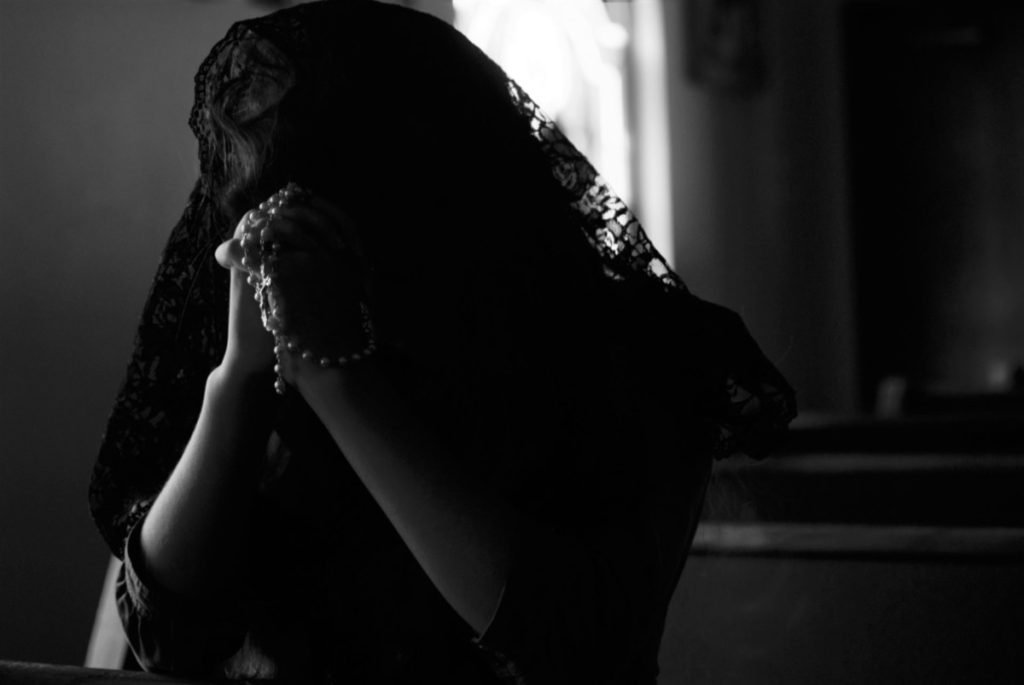
The Rosary is the most widespread Marian prayer in the Church, but its history is much richer than the legend associated with Saint Dominic suggests. Between the thirteenth and twentieth centuries, its current form was shaped by successive papal interventions, from the establishment of the 15 mysteries by Pius V to the addition of the luminous mysteries by John Paul II in 2002. This article explores the documented origins and historical milestones of this prayer.
Da Idade Média ao Rosário Moderno
From the medieval monastic accounts of the twelfth century to the Luminous Mysteries of John Paul II (2002), the history of the Rosary is a fascinating journey.
Origens Antigas
- Século XII: A prática de recitar a “Ave Maria” tem raízes antigas na Igreja Cristã, sendo conhecida ainda antes deste período. No final do século VII, a antífona de ofertório do IV Domingo de Advento já apresentava a saudação “Ave Maria”.
- Monge Henrique de Kalkar (1328-1408): No século XIV, este monge cartuxo subdividiu o saltério mariano em grupos de 15 dezenas, inserindo um “Pai Nosso” entre cada uma.
- Alan de la Roche (1428-1475): Este dominicano começou a difundir a história de uma suposta popularização do Rosário por São Domingos de Gusmão (1170-1221).
Evolução e Popularização
- Séculos XIV e XV: A forma popular do Rosário, com 50 “Ave Maria” intercaladas com meditações sobre mistérios da vida de Cristo e Maria, ganhou popularidade.
- Domingos da Prússia (1382-1461): Este dominico reduziu o número de “Ave Maria” para cinquenta e adicionou referências a eventos evangélicos em cada dezena.
- Reforma de Alberto de Castelo (1521): Dentro da Ordem dos Pregadores, Alberto simplificou os mistérios para quinze, com comentários breves e recitação da “Ave Maria”.
Formalização e Consagração
- Bula Consueverunt Romani Pontifices (1569): Pio V formalizou o Rosário com 15 mistérios, estabelecendo as normas que perduram até hoje.
- Adição dos Mistérios Luminosos (2002): João Paulo II enriqueceram o Rosário com os mistérios luminosos, destacando a luz de Cristo e Maria em momentos cruciais de sua vida.
Significado Espiritual do Rosário
The Rosary, unlike other popular devotions, has a unique characteristic: it is a universal form of prayer that merges with the concept of Marian piety. From the most remote parishes to the most distant peoples, the Rosary continues to gather and inspire Christian faith. The magisterium of the Holy Fathers, as in the Apostolic Exhortation Marialis Cultus by Paul VI, reinforces the spiritual value of this Marian devotion.
Master’s in Mariology
Want to deepen your formation in Mariology? Discover the Master’s in Mariology from Locus Mariologicus – an academic formation that combines theological rigor, spiritual life, and the living tradition of the Church.
Learn how to pray the Rosary in our guide: How to Pray the Rosary, step by step.
Would you like to study Mariology seriously?
This article draws on the works of the Locus Mariologicus library. The Postgraduate Programme in Mariology takes you to the same sources with academic guidance: Scripture, the Church Fathers and the Magisterium, from the first dogma to contemporary questions.
Responses