The Sacred Liturgy as the Foundation of Marian Devotion
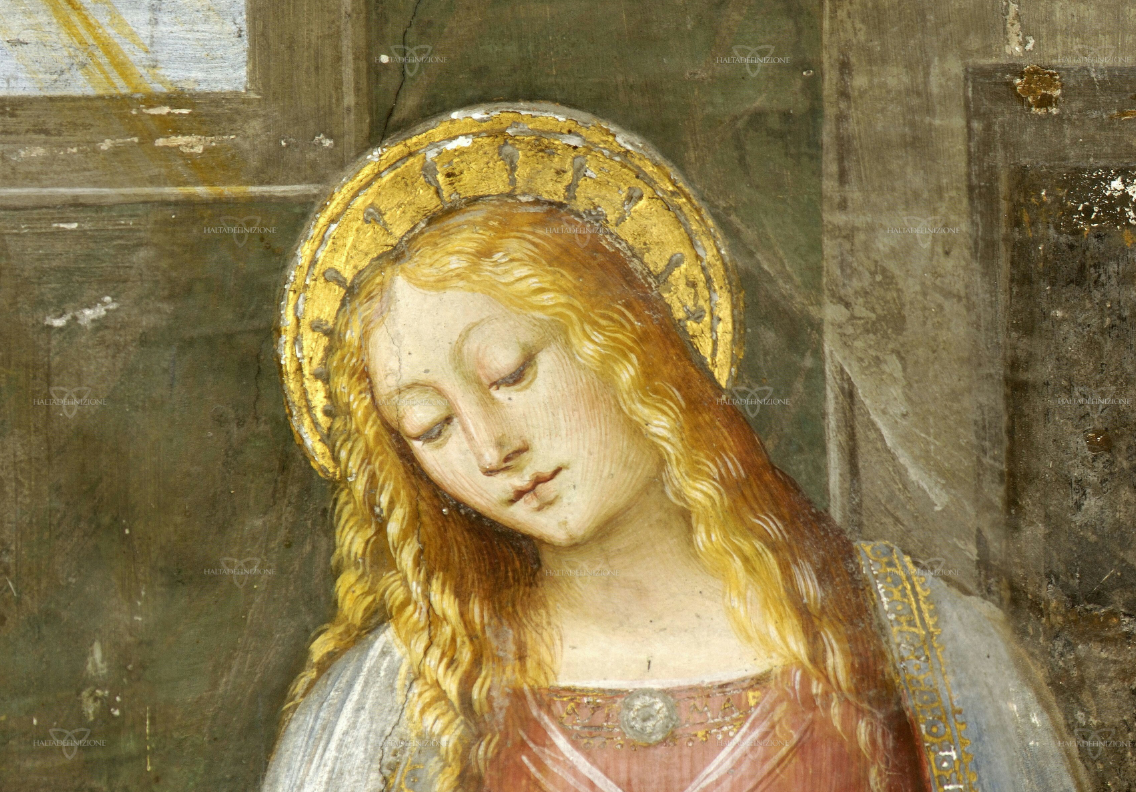
The Liturgy and Devotion to the Blessed Virgin Mary
The Sacred Liturgy, as the public worship of the Church, is the act of adoration that Christ, as Priest and Head of the Church, offers to the Eternal Father. In the Liturgy, Christ associates the Church, His Bride, with Himself in the offering of adoration, thus grounding the assertion of the Second Vatican Council that “in it the full public worship is exercised by the mystical body of Jesus Christ, that is, by the head and its members” (Const. Sacrosanctum Concilium).The Blessed Virgin Mary, being the Mother of the Redeemer and a distinguished member of the Church, is undoubtedly also the Mother of the Church. The Liturgy, especially in the Eucharistic Prayer of each Mass, confers a place of honor on the Virgin Mary, recognizing her association with the mysteries of Christ the Redeemer.Evidence of Marian Veneration in the Liturgy
– Advent: One of the first manifestations of veneration for the Mother of God by the Church is the Liturgy of Advent, highlighting the liturgical time dedicated to devotion to the Mother of the Lord. – Solemnity of the Immaculate Conception (December 8): This celebration marks the beginning of Advent and emphasizes the divine, virginal, salvific motherhood of Mary. – Feasts and Solemnities: Throughout the Liturgical Year, various feasts and solemnities honor the Virgin Mary, such as the Holy Family, the Immaculate Conception, the Queen of Heaven, her Nativity, and the Sorrowful Mother. – Specific Marian Celebrations: Days dedicated to shrines, events, or aspects of Mary’s life, such as Lourdes, Fátima, the Immaculate Heart, Mount Carmel, the Rosary, the Presentation, Guadalupe, among others, demonstrate the constant veneration of the Mother of God.The Intercessory Role of Mary
The Sacred Liturgy highlights the intercessory role of Mary, valuing the importance of intercessory prayer. In the Liturgy, the Church prays in general and for various intentions, including prayer for itself, for the world, for the just and sinners, for justice and peace, and for the living and the dead.Jesus Christ is our great intercessor, but the Church also invokes the blessed Virgin Mary and the saints to intercede. On the solemnity of All Saints, the Church seeks the help of “an abundance of intercessors.” The power of Mary’s intercession is evidenced in the miracle of the wedding feast at Cana.References to Mary’s Intercession in the Roman Liturgy
The brevity of the Roman Liturgy does not prevent frequent references to Mary’s intercession, as demonstrated by the Collects and prayers in various Marian celebrations:– **Collect for the Immaculate Conception**: “God, who honored the Order of Carmel with the glorious title of the blessed Virgin Mary… grant us… to present ourselves before you in holiness and purity of spirit.” – **Feast of the Holy Family**: “Accept, O Lord, this sacrifice of salvation… through the intercession of the Virgin Mother and Saint Joseph…” – **Day of Our Lady of Lourdes**: “Look, Lord, upon your people… through her intercession, may we partake in the fullness of your grace.” – **Immaculate Heart of Mary**: “O God, who honored… grant us… by her aid, to reach the summit of the mountain that is Christ the Lord…”### The Liturgy as a Source of Faith and PrayerConsidering the Liturgy as a constitutive element of the Holy Living Tradition, liturgical formulas reveal our faith. The Church believes in the power of intercession of the blessed Virgin Mary, thus teaching us how we should pray.The Lectionary offers biblical readings for Marian celebrations, while the Liturgy of the Hours (Divine Office or Breviary) includes hymns, texts, and prayers that express Marian devotion. Rites such as baptism, religious profession, the consecration of virgins, and prayers for the dying, dead, and bereaved also incorporate references to the intercession of Mary.Conclusion
This brief study reveals the importance attributed to the veneration of our Blessed Mother in the Sacred Liturgy, especially after the Second Vatican Council. The Roman Liturgy adequately recognizes the singular role of the Virgin Mary in the mystery of Christ and in the tradition of the Church. Christians have strong liturgical reasons for their Marian devotion, which leads them to a deeper participation in the mysteries of Christ and strengthens their faith.Graduate Studies in Mariology
Desire to deepen your formation in Mariology? Discover the Graduate Studies in Mariology from Locus Mariologicus – an academic formation that combines theological rigor, spiritual life, and the living tradition of the Church.
Would you like to study Mariology seriously?
This article draws on the works of the Locus Mariologicus library. The Postgraduate Programme in Mariology takes you to the same sources with academic guidance: Scripture, the Church Fathers and the Magisterium, from the first dogma to contemporary questions.
Responses