Greater is this dilemma: Mary and the love she offers to life.
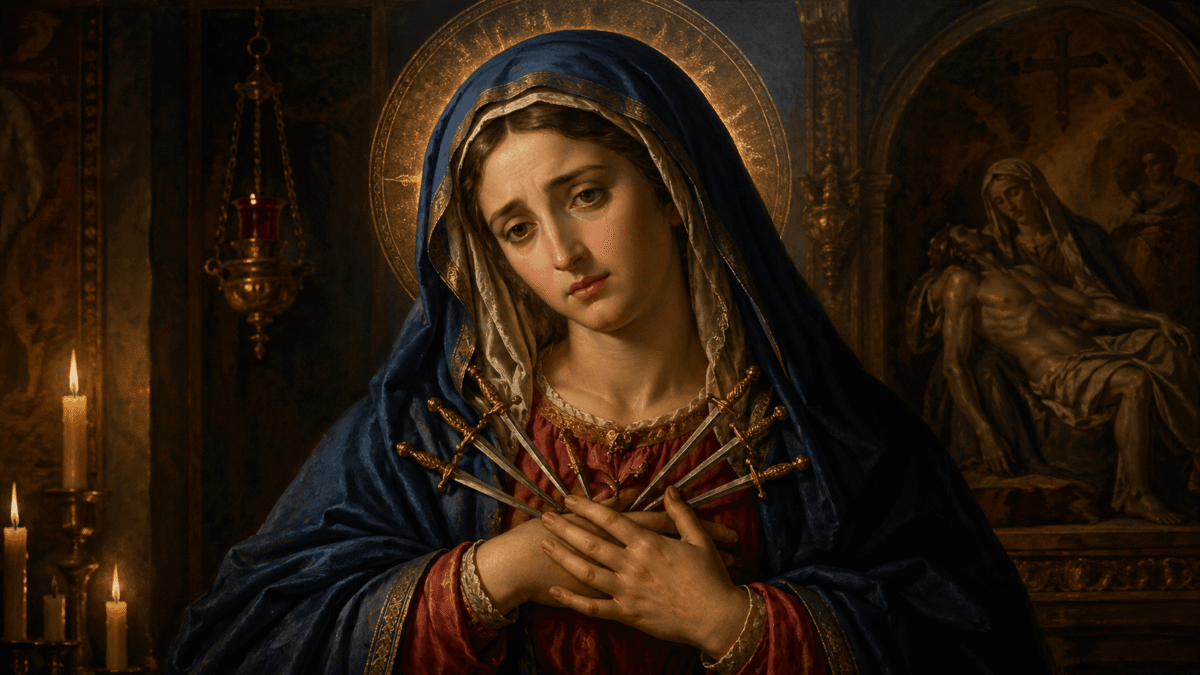
Biblical Citation and Mariology: The “Greater Love” of Jn 15,13
Introduction
This text explores the deep connection between the biblical citation of Jn 15,13, which highlights Jesus’ supreme love in giving His life for His friends, and mariology, particularly in the context of contemplating Mary as a co-participant in this “greater love.”I. “Laying Down One’s Life for Friends”: The Meaning of Jesus’ Death in John
The passage of Jn 15,13 places Jesus’ death in a unique context of friendship, not merely salvation. By stating that He dies “for His friends,” Jesus reveals a profound personal relationship with those whom He loved and served. The Greek verb for “laying down one’s life” emphasizes the voluntary and total surrender, making this act the pinnacle of Christian love.The Johannine theology presents the death of Jesus as the fulfillment of the love of the Good Shepherd, who gives his life for his sheep (Jn 10,11). This image, combined with the “greater love” of Jn 15, reveals a personal and liberating dimension of Christ’s death.II. Mary “Stabat”: Co-participation in the “Greater Love”
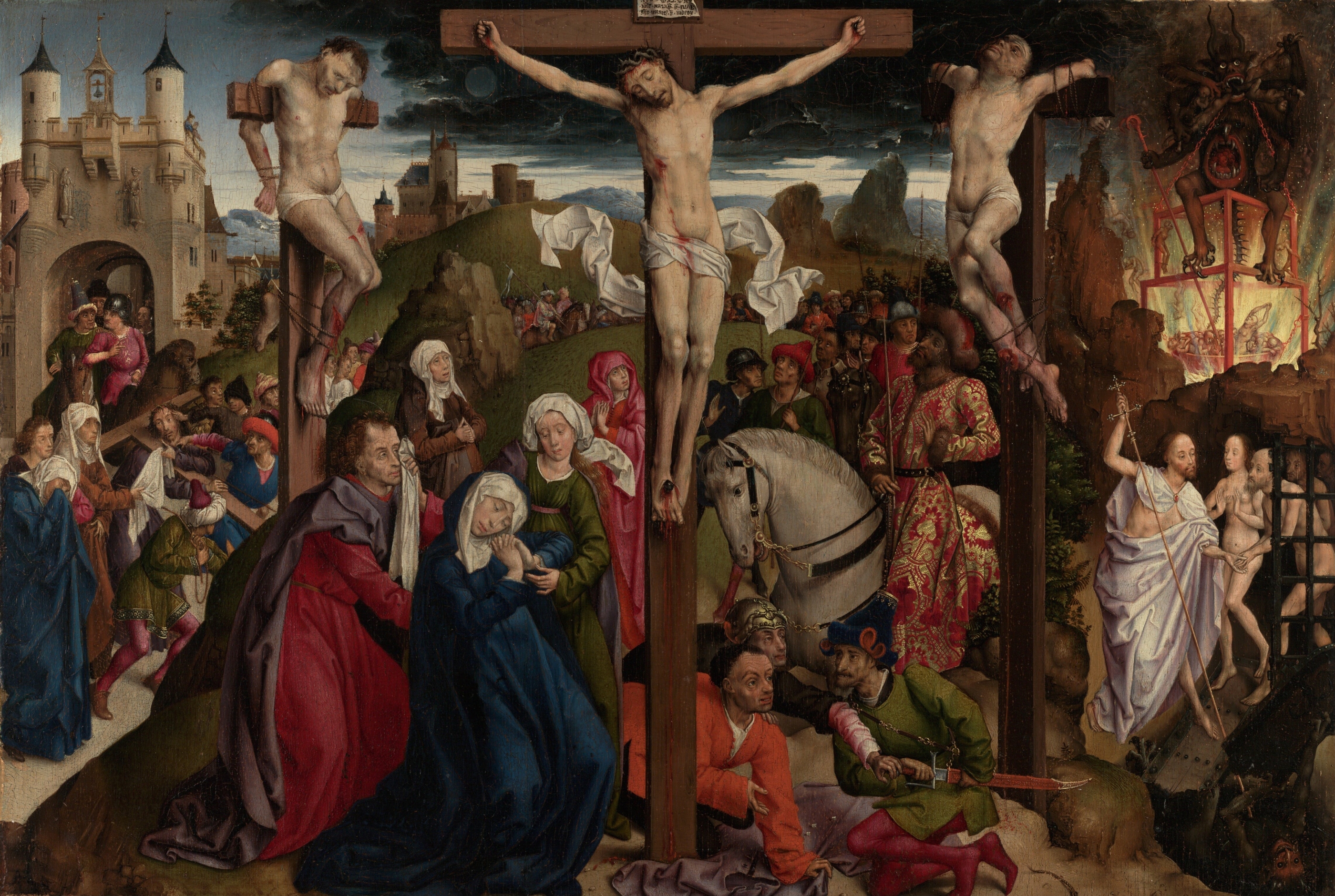
The presence of Mary at the Cross, described in Jn 19,25, is more than a biographical detail; it symbolizes her real participation in the “greater love” of the Son. The theology of co-redemption, although controversial, suggests that Mary, through her obedience, faith, and charity, actively participated in Christ’s redemptive work in a subordinate and derived manner.The Second Vatican Council (LG 58) describes this cooperation as unique and singular, emphasizing Mary’s obedience and faith in the work of the Savior. John Paul II, in *Salvifici Doloris*, expanded this idea, affirming that all human suffering can be offered in union with the suffering of Christ to participate in redemption.III. “You Are My Friends”: Mary and Friendship with Christ
Jn 15,14-15 introduces one of the most radical statements of the Gospel, transforming the disciples from “servants” into “friends”. This transition reveals a genuine friendship between Jesus and his followers, sharing secrets and granting them knowledge.Maria, in tradition, is the supreme friend of Christ. Her intimate contemplation and communion with the Son over decades make her the maximum recipient of Jesus’ revelations. This friendship transcends devotion; it involves mutual love and tenderness that include gratitude and joy.IV. Giving Life in Daily Life: The Marian Dimension of Mortification
Jn 15,13 is often interpreted as referring only to physical martyrdom. However, the spiritual tradition recognizes a broader sense, including daily mortification and service to others.Maria, with her life in Nazareth, exemplifies this daily “giving of life.” Her faithfulness and discreet surrender in everyday tasks are a model for Christians to live the “greater love.” St. Thérèse of Lisieux, inspired by Mary’s simplicity, found in the “little way” the path to this supreme love.The social dimension of this “giving of life” is emphasized in contemporary Mariology, especially in the context of justice and commitment to the vulnerable. Mary, as a prophetess, challenges unjust structures and exalts the humble, reflecting the love of Christ that manifests itself in action.Conclusion and References
The citation of Jn 15,13 and Mariology are intrinsically linked, revealing a deep understanding of Christian love and its expression in the life of Mary. The references provide a theological basis for further exploring this connection between biblical word and Marian contemplation.Graduate Studies in Mariology
Wishing to deepen your formation in Mariology? Discover the Graduate Studies in Mariology from Locus Mariologicus – an academic formation that combines theological rigor, spiritual life, and the living tradition of the Church.
Would you like to study Mariology seriously?
This article draws on the works of the Locus Mariologicus library. The Postgraduate Programme in Mariology takes you to the same sources with academic guidance: Scripture, the Church Fathers and the Magisterium, from the first dogma to contemporary questions.

Responses