He who has seen me has seen the Father: Mary and the visible face of God
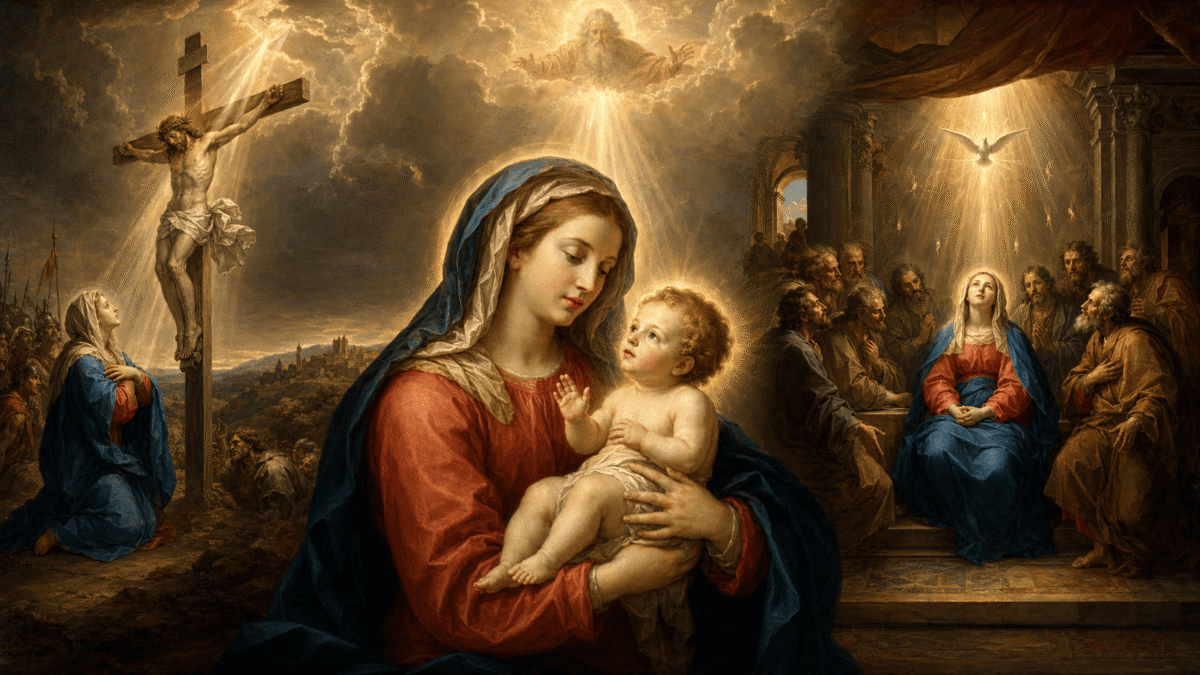
Visão de Maria: Um Ponto de Reflexão Mariológico
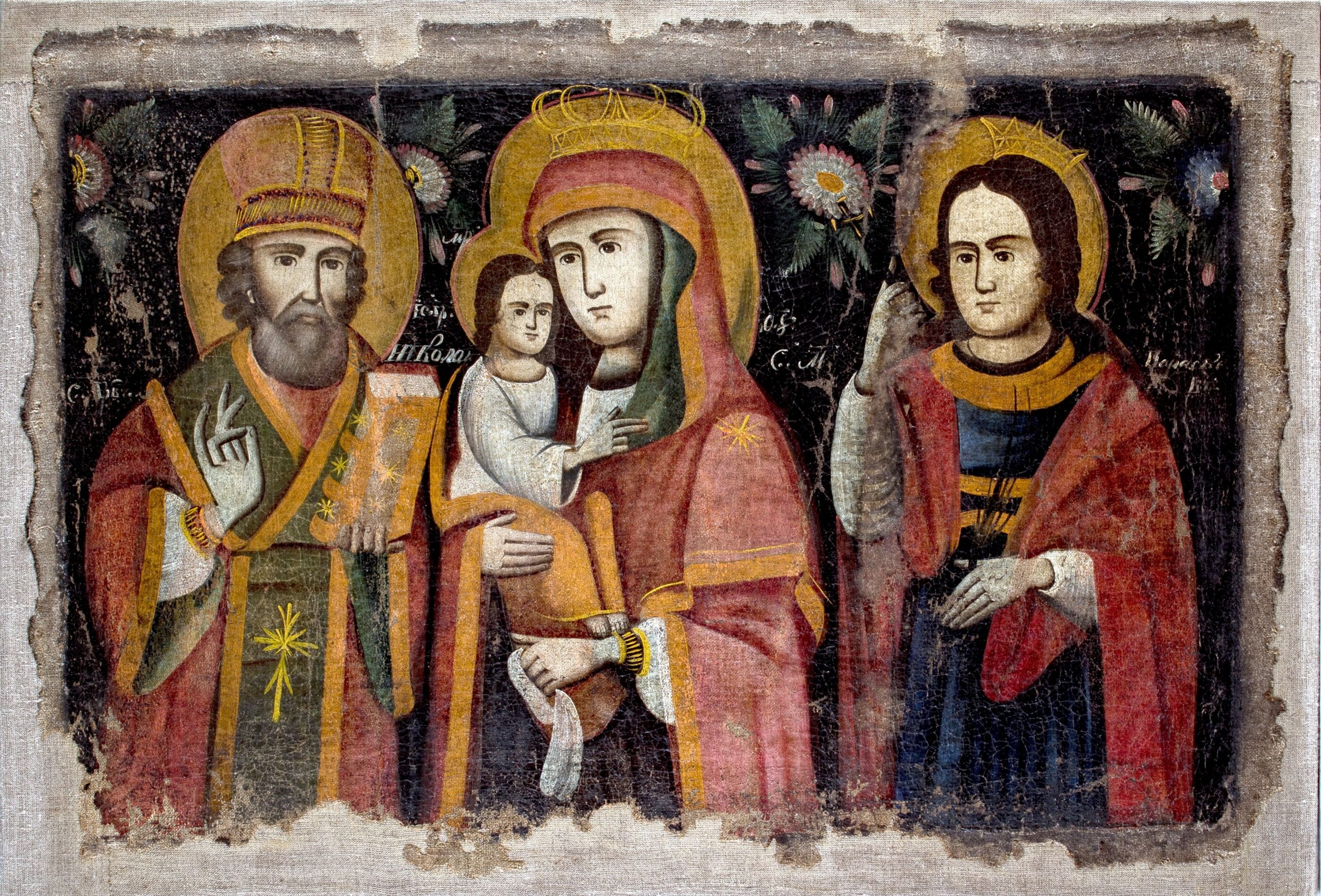
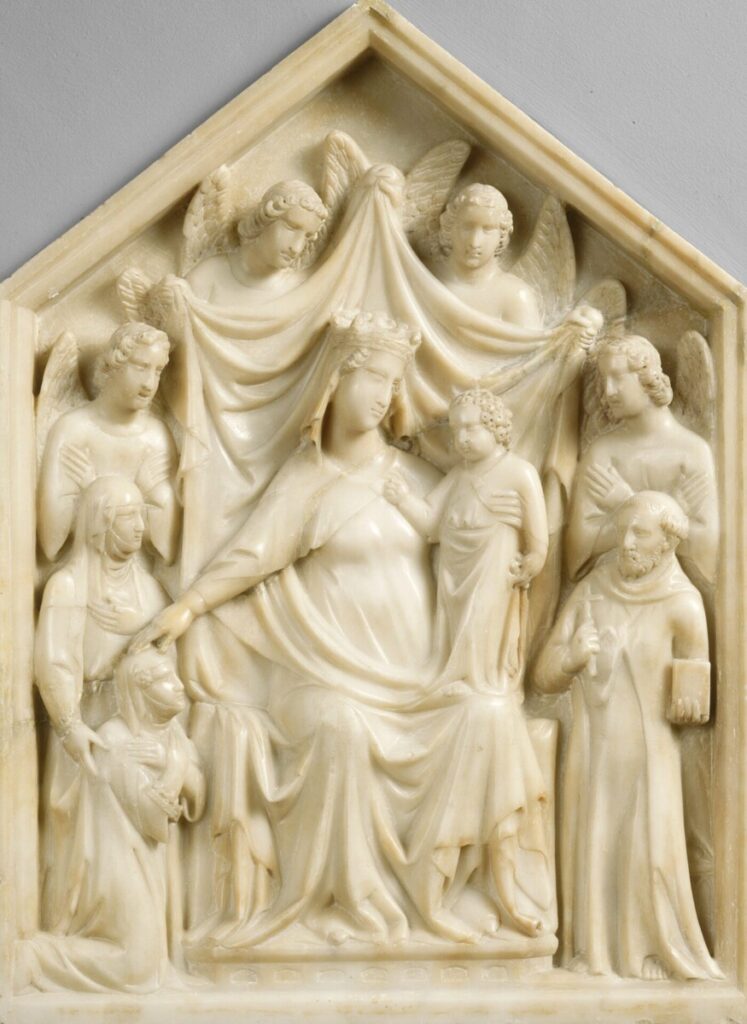
Introdução:This text explores the idea that Mary, by having seen the Son of God in a unique and intimate way, plays a fundamental role in revealing the Father. The contemplation of Jesus in her life and actions allows the faithful to see the Father through the “exegesis” of the Son.I. “Exegese do Pai”: A Visibilidade de Deus em JesusJn 1:18 affirms that no one has ever seen God, but the Son, unique in the bosom of the Father, revealed Him. * The Greek verb *exegesato* means “to interpret,” “to narrate,” or “to make known.” Jesus, through His entire life, words, and actions, fully reveals who the Father is. * Each event in Jesus’ life reveals an aspect of the loving face of the Father: healing the sick shows compassion, forgiveness of sinners demonstrates mercy, and the resurrection demonstrates power over death. To see Jesus is to see the Father in action.II. O “Ver” de Maria: Contemplação e ProximidadeMaria, more than any other human being, experienced a singular intimacy with the Son through gestures such as: * Seeing Jesus in Mary’s arms in Bethlehem * Observing His growth in Nazareth during 30 years of hidden life * Witnessing miracles like Cana and the triumphal entry into Jerusalem * Being present at the Cross and being the first to see His resurrection. This “seeing” is not merely visual but contemplative, penetrating beyond the surface to understand the deeper reality.Lúgares onde se manifesta esta contemplação:* **Luke 2:19-51**: Mary treasured all these things in her heart and pondered them, seeking the unity that connects them. * **Iconography**: The image of *Mater Amabilis* (Our Lady of Humility) depicts Mary contemplating Jesus in her arms with love and admiration.III. “Há tanto tempo estou convosco”: Paciência do Amor Paterno e Materno* Jn 14:9 – Jesus laments that Philip still does not recognize Him despite being with him for so long. * Physical proximity does not guarantee spiritual knowledge. Mary, however, loved Jesus as a mother, knowing Him in an intimate and profound way through spiritual motherhood.IV. A Theotokos e a Revelação do Rosto de Deus: Implicações IconográficasThe iconoclastic controversy highlighted the relationship between images of Christ and the Incarnation, grounding the legitimacy of visual representations.The Marian iconography, derived from her unique relationship with the Son, points to the Father through the Son.The icon of the *Hodegetria*, where Mary indicates Jesus, symbolizes this deep connection between Mother and Son, revealing the Father.Conclusão:Mary, by having seen the Son of God in such an intimate way, is a privileged guide for those who seek to see the Father in the face of Jesus. Through her, faith allows us to contemplate the divine mystery and participate in the vision of God.Graduate Studies in Mariology
Wishing to deepen your formation in Mariology? Discover the Graduate Studies in Mariology from Locus Mariologicus – an academic formation that combines theological rigor, spiritual life, and the living tradition of the Church.
Would you like to study Mariology seriously?
This article draws on the works of the Locus Mariologicus library. The Postgraduate Programme in Mariology takes you to the same sources with academic guidance: Scripture, the Church Fathers and the Magisterium, from the first dogma to contemporary questions.

Responses