The Father’s Will: Mary and the Will That Does Not Lose Anyone.
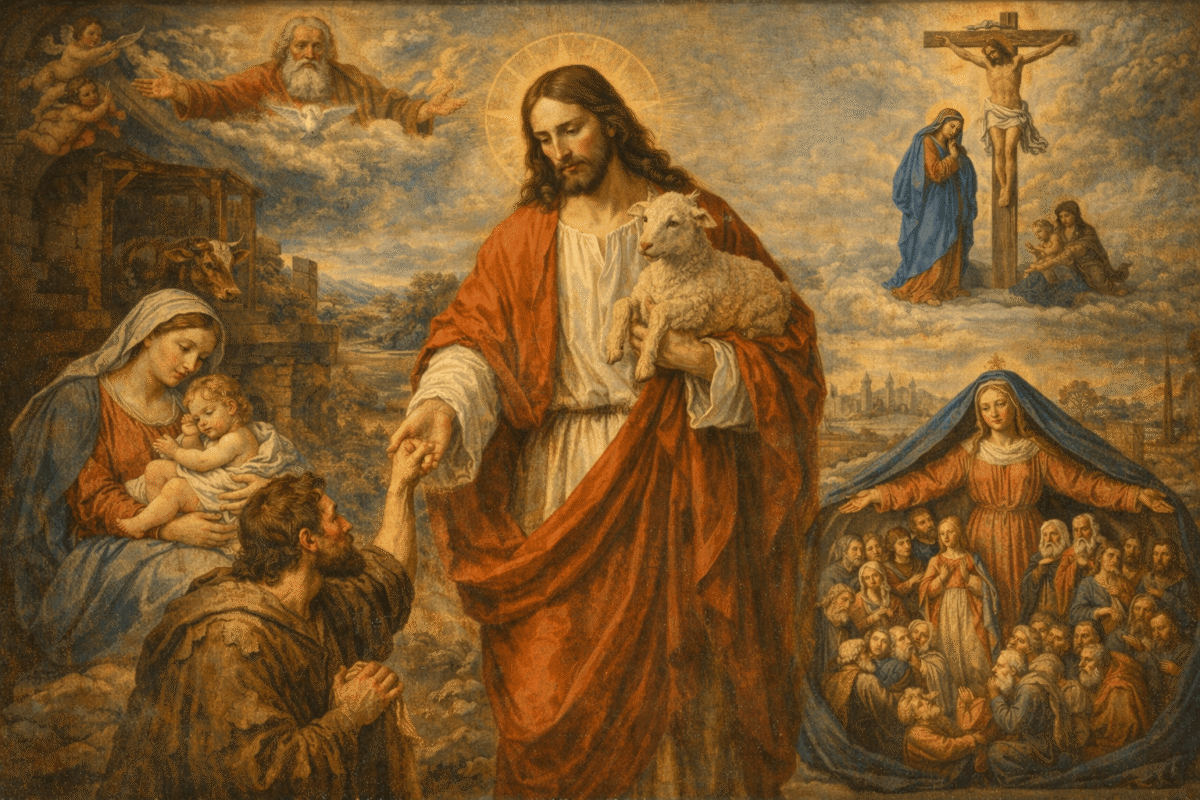
Mariology: The Will of the Father and Mary’s Mission
Introduction
In the discourse on the Bread of Life, Jesus reveals His identity as the Bread come down from Heaven and the deep logic of His mission. The essence of this mission is to fully accomplish the will of the Father, which is not to lose anyone but to raise them up on the last day. This statement encapsulates all the theology of salvation, where the Father desires the recovery of every human being, and the Son carries out this mission. Mariology finds here a fundamental pillar, seeing Mary as the one who uniquely embodied the salvific will of the Father.I. The Will of the Father as the Center of Jesus’ Mission
In Jn 6:38-39, Jesus affirms that He came down from Heaven to do the will of Him who sent Him, which is the will not to lose any of those entrusted to Him but to raise them up on the last day. This passage reveals a subordination of the Son’s will to that of the Father, not in a servile or heteronomous way, but as a deep identity. The Son desires what the Father desires because they share the same divine life and love.The Greek word *apoleso*, “to perish,” carries significant theological weight in the Johannine context. It means being separated from the Source of Life and perishing in definitive death. Jesus promises that none of those whom the Father has entrusted to Him will reach this state, marking His mission as one of recovery and preservation.The theology of predestination finds its foundation here, affirming that God desires the salvation of all men (1 Timothy 2:4), and this will is realized in the person and work of Jesus Christ. Human freedom does not nullify this will but rather highlights God’s individualized care for each person.II. Mary, Image of the Will that Receives
In the Annunciation, Mary says “yes” to God’s proposal, aligning her will with the divine one. This *fiat* is not passive but a free and conscious act, making her the point of entry for the Incarnation in the world. Her entire life was a configuration of God’s will, often amidst obscurities and sufferings.The Catechism of the Catholic Church (Lumen Gentium 56) states that Mary cooperated in human salvation through free faith and obedience. This cooperation was not accidental but structural to the divine plan, showing how God accomplishes His saving will through the alliance with human freedom.Maria is seen as the perfect model of harmony between human and divine will. By choosing God’s will over her own, she represents the faithful response expected since the beginning of salvation history.III. “Not to Lose Anyone”: The Universal Motherhood of Mary
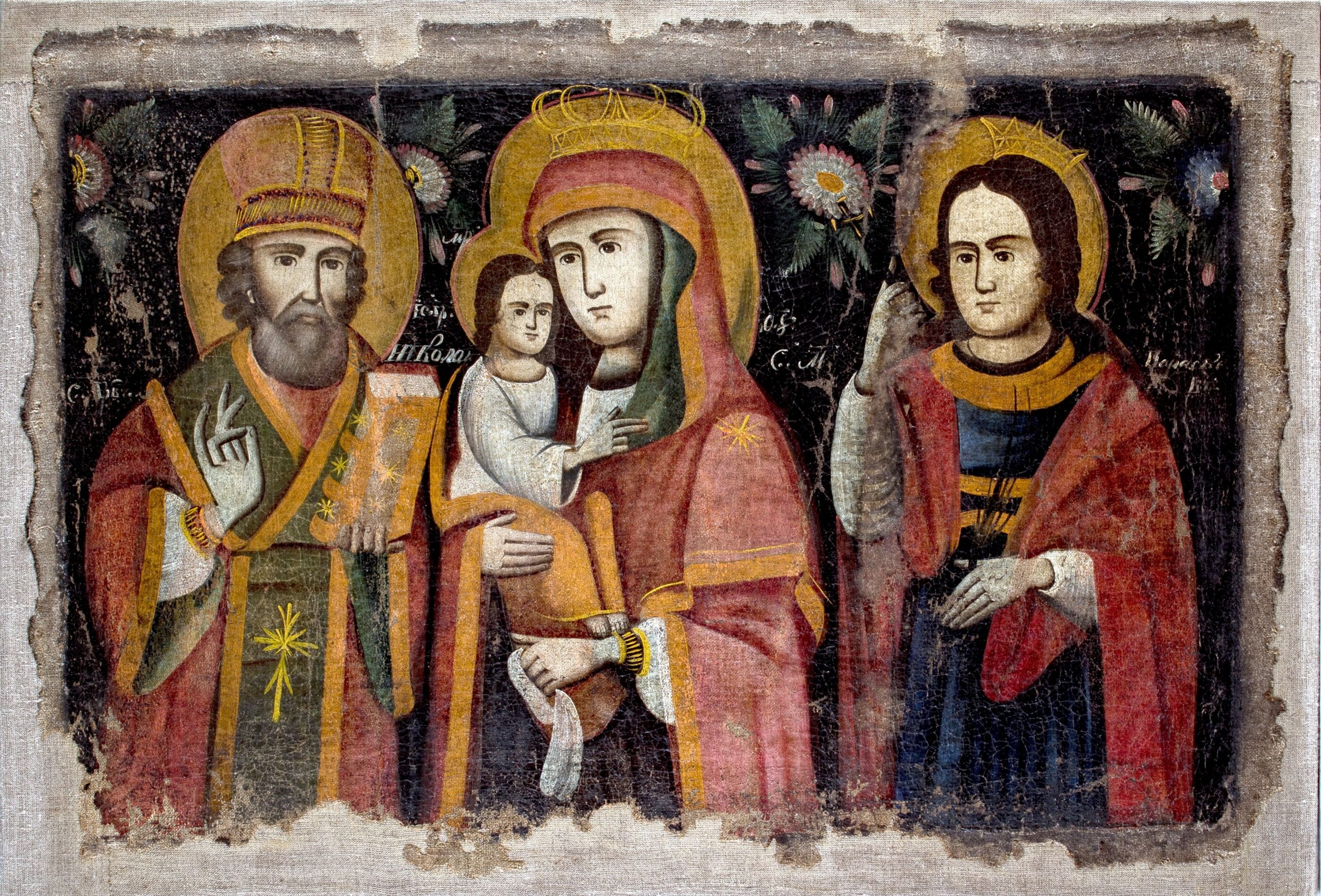
Jn 19:26-27 narrates the entrusting of Jesus to the beloved disciple by Mary and vice versa. This tradition is interpreted as the institution of Mary’s spiritual motherhood over all disciples, symbolizing her participation in Christ’s redemptive mission.The universal motherhood of Mary is directly related to the Father’s will not to lose anyone. She intercedes for the faithful with the authority of one who was associated with the work of redemption, acting as *Mediatrix*. The Marian title of *Refugium Peccatorum* reflects this dimension, indicating that Mary is the refuge for all sinners, extending her protective mantle over all humanity.The iconography of the *Theotokos* (Mother of God) protecting the faithful under her mantle illustrates this theological conviction symbolically, representing her intercession for all human beings.IV. Rising on the Last Day: Paschal Hope and Mary
Jn 6:39 concludes with an eschatological promise of future resurrection, where the Father does not merely wish to preserve but to raise everyone on the last day. Mary, as the firstfruits of this final resurrection, was assumed into Heaven in body and soul (Pius XII, Munificentissimus Deus), foreshadowing the ultimate destiny of redeemed humanity.The Marian devotion is rooted in this eschatological perspective, looking at Mary as the model of what the Church and every Christian hope to achieve in the future. Her image is a living reminder that the Father’s will not to lose anyone will be fully realized in the universal resurrection.The Paschal liturgy, celebrating the Risen Christ, finds in Mary its privileged Marian reference, as the first living witness of victory over death and the glory of the Resurrected.Graduate Studies in Mariology
Wishing to deepen your formation in Mariology? Discover the Graduate Studies in Mariology from Locus Mariologicus – an academic formation that combines theological rigor, spiritual life, and the living tradition of the Church.
Would you like to study Mariology seriously?
This article draws on the works of the Locus Mariologicus library. The Postgraduate Programme in Mariology takes you to the same sources with academic guidance: Scripture, the Church Fathers and the Magisterium, from the first dogma to contemporary questions.

Responses