Archaeological findings about the life of Mary of Nazareth
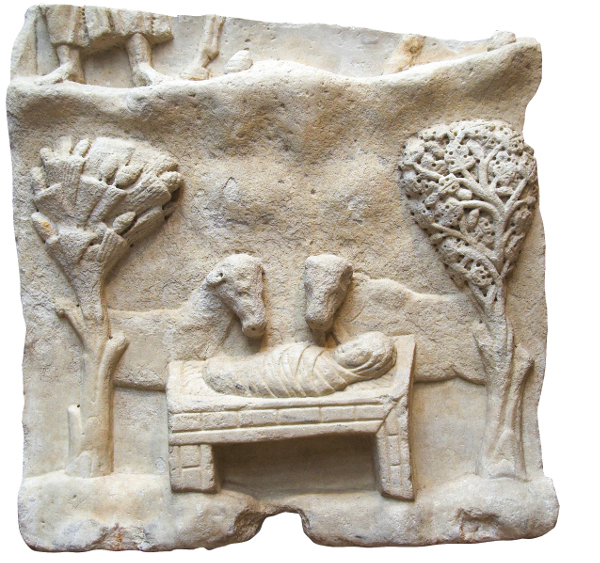
For centuries, the memory of Mother of Jesus was passed down only through the Gospels and the first Christian pilgrims. Today, excavations in Nazareth, Jerusalem, and sites in Galilee allow these testimonies to be crossed with concrete historical data from the soil: behind written sources lies a precise historical context. This article explores the main archaeological findings that shed light on Mary’s life, from the site of her birth to the family and religious environment in which she grew up.The question of Mary’s place of birth is inseparable from the critique of sources: the texts point to Bethlehem, Nazareth, and Jerusalem as distinct possibilities. Bethlehem is a doctrinal assumption that made the Virgin a member of the House of David, without direct stratigraphic support. The tradition of Jerusalem, supported by the Protoevangelium of James (2nd century) and the monumental memory of the first pilgrims at the Door of the Prophets, proves to be the most consistent. It is in Jerusalem that the oldest topographical memory of the birth of the Mother of God has been preserved.
Maria em Nazaré: Uma Jornada Arqueológica e Espiritual
A história de Maria, a mãe de Jesus, está profundamente enraizada na terra de Nazaré, uma região rica em memória bíblica e tradição mariana. A exploração arqueológica e histórica deste local sagrado oferece uma visão fascinante da vida e do contexto em que Maria viveu, desde sua infância até o momento em que recebeu a visita dos anjos e concebeu o Filho de Deus.A Casa de Zacarias e ‘Ain Karem: Raízes Judaico-Cristãs
A jornada começa com a visita de Maria à prima Isabel, em ‘Ain Karem, local identificado como o nascimento de João Batista. As escavações arqueológicas revelaram uma casa romana com lagar, poços e tumbas helenísticas, datando do período romano. Este local sagrado foi posteriormente transformado em um centro de culto adriano, com a substituição dos elementos cristãos por divindades pagãs.However, with the return of Christianity under Constantine, the House of Zechariah was restored and the cave where Elizabeth hid became a site of Marian veneration. The cave was decorated, and a well carved into the rock was connected to an external cistern, symbolizing divine refuge and provision.The Judeo-Christian Synagogue and the Basilica of Nazareth: A Place of Worship
In Nazareth, the Nazarenes built a Judeo-Christian synagogue around the 4th century, atop the ruins of the previous Byzantine structure. This synagogue served as a place of worship and gathering for the early Christian community. The foundations of this structure correspond to the famous House of Mary in Loreto, suggesting a connection between the two holy sites.In the sixth century, a Basilica was erected on the site, replacing the synagogue. This Basilica became an important pilgrimage center, attracting devotees from around the world to venerate the House where Jesus grew up and was formed. Excavations revealed significant architectural elements, including the stylobate style and the preservation of the traditional grotto.‘Ain Karem and the Tradition of Marian Apparitions
The Marian tradition in ‘Ain Karem is rich and multifaceted. In addition to the birth of John the Baptist, the place is associated with various Marian apparitions over the centuries. The grotto of Elizabeth has become a symbol of divine motherhood and a place of prayer and contemplation.Continuous Exploration and Theological Significance
Archaeological excavations in Nazareth and ‘Ain Karem continue to uncover historical and spiritual treasures. Each discovery contributes to a deeper understanding of the life of Mary and the cultural and religious context in which she lived. The exploration of these sacred sites encourages not only historical study but also theological reflection on the importance of Mary in Christian tradition.The Encyclical “Redemptoris Mater” by Pope John Paul II highlights the importance of Nazareth and ‘Ain Karem in the life of Mary and in the history of salvation. These sacred places continue to inspire devotees and scholars, inviting them to delve into the depths of faith and history to find a deeper connection with the Mother of God.Graduate Studies in Mariology
Wishing to deepen your formation in Mariology? Discover the Graduate Studies in Mariology from Locus Mariologicus, an academic formation that combines theological rigor, spiritual life, and the living tradition of the Church.
Would you like to study Mariology seriously?
This article draws on the works of the Locus Mariologicus library. The Postgraduate Programme in Mariology takes you to the same sources with academic guidance: Scripture, the Church Fathers and the Magisterium, from the first dogma to contemporary questions.
Responses