The “Great Things” of God in Mary
Introduction
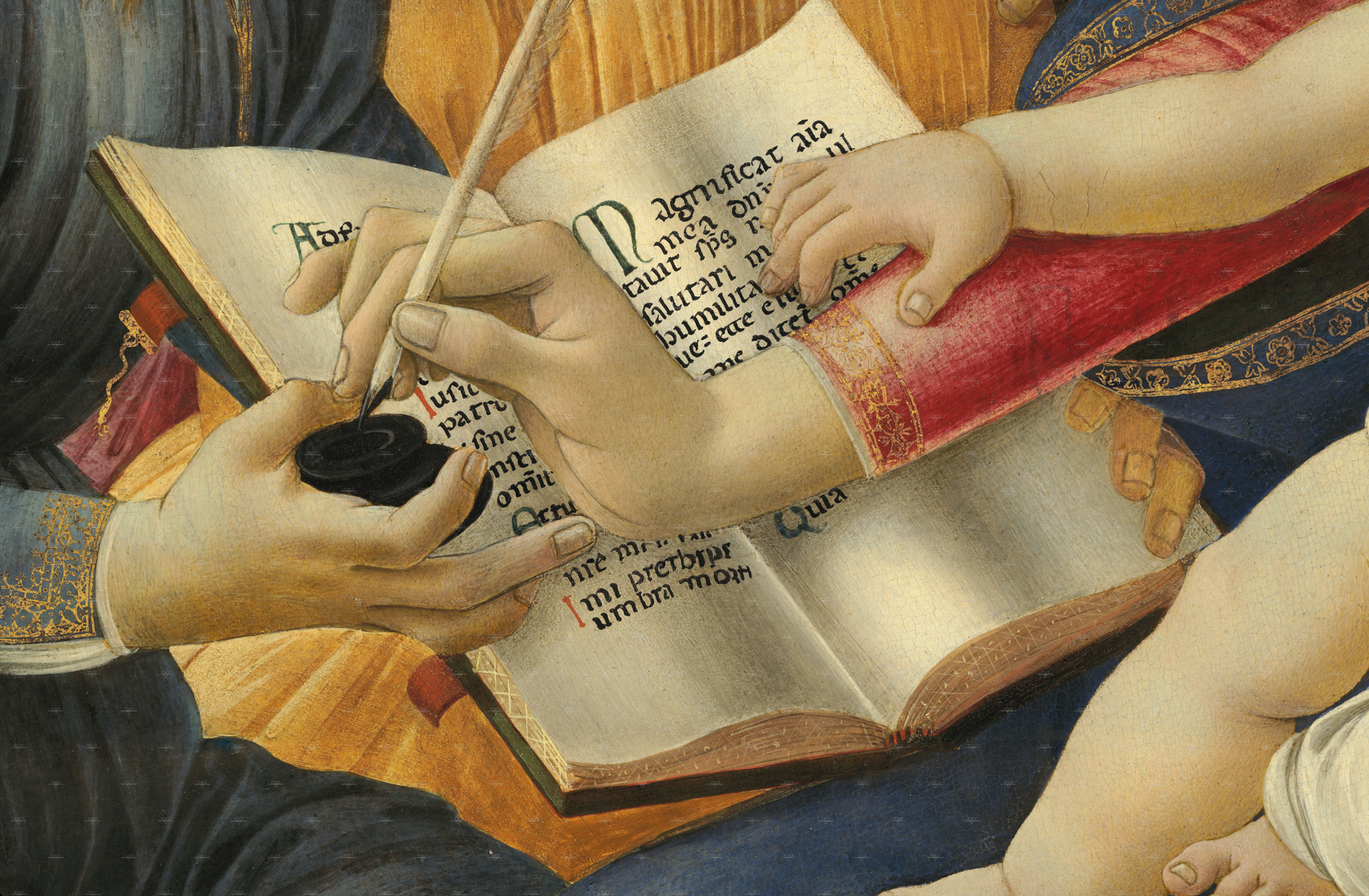
In this article, we will meditate on the implications of these connections that unite the Mother of Jesus to the capital events of Redemption. We will demonstrate that the “great things” accomplished in her by the Lord (cf. Lk 1,49a) must be announced and transmitted from generation to generation. Therefore, Mary also becomes a chapter of primordial importance in the evangelizing mission of the Church.She was both subject and object of catechesis. As subject, Mary informs the Church about the events of grace accomplished in her own person by the God of the Covenant. As object, the Church, in turn, makes known these “great things” wrought by the Lord in her, for the good of all his people.In the Scriptures, the “great things” of God refer to the wondrous interventions of grace carried out throughout the history of the Covenant. According to the consistent doctrine of the Scriptures, the “great things” of the Lord are intended for the benefit of all His people. As such, they must be proclaimed to everyone, from one generation to another.“Great things” for all the people
According to the consistent doctrine of the Scriptures, the “great things” of God always have an ecclesial and communal purpose. In the divine plan, they are specifically ordered for the good of the community of His elect. The psalmist has every right to exclaim: “The Lord has done great things for us” (Ps 126:2).The Bible documents several occasions when the Lord performs “great things” in favor of a single person: Abraham, Moses, Joseph, David, Solomon, Jeremiah, Esther, Judith, Elizabeth, mother of John the Baptist… However, even in these cases, the intention of divine action remains of an ecclesial and communal nature. That is, if the Lord performs “great things” for an individual person, His purpose is to help the entire people or group of which that person is part.This underlying economy of the redemptive plan maintains its validity also for the Mother of Jesus. If the Almighty has done “great things” in her (Lk 1,49a), He did so for the benefit of the entire people of the Covenant. And, indeed, Mary, in her song, is aware of the bonds that link her to the community of the people of God. She calls herself a “servant” of the Lord (Lk 1,48a) and, at the same time, celebrates Israel as “servant” of the Lord (Lk 1,54a). Moreover, she is conscious that God, in looking upon her “poverty” (Lk 1,48a), exalts all the “poor” (Lk 1,52b). Finally, the Virgin recognizes that the Lord, in doing “great things” in her (Lk 1,49a), fulfills the promises made “to our fathers, to Abraham and his descendants” (Lk 1,55).In summary, Mary demonstrates a clear conviction: “what God did in her person, He did for herself and for all the people of the faithful, of whom Abraham is the father.” Therefore, the grace poured out on Mary, on one hand, should benefit the entire Church of the people of God. On the other hand, the Church must recognize and celebrate this component of divine wisdom revealed in the history of salvation.“Great things” to announce to all
According to the persistent doctrine of Scripture, the “great things” of God must be proclaimed; they must be known: it is necessary to announce them publicly. This necessity arises from the fact that such interventions of grace by the Lord, even if realized through a single person, are ultimately conceived for the good of all the people.Therefore, they constitute a common heritage that must be transmitted and shared from one generation to another. In Deuteronomy (4:9), we read: “Do not let these things escape your heart [what you have seen and heard], teach them to your children and to your grandchildren.” Following this instruction, the elderly Tobias advises his son Tobias: “Make known to all men the works of God… and do not fail to give thanks. It is good to keep the king’s secret, but it is glorious to reveal and manifest the works of God” (Tob 12,7.11).In an oratory tone, Psalm 145:4-5 reminds of the catechetical commitment within the community of Israel: “One generation recounts to another your works; they proclaim your wondrous deeds. They speak of the splendor of your majesty and tell of your awesome works.”Mary, “subject” and “object” of evangelization
If the Mother of Jesus was so intimately connected to the mysteries of our redemption, she necessarily became both “subject” and “object” of catechesis in the context of Christian faith. Let us explain this in two moments:Firstly, the Mother of Jesus became the subject of catechesis, for she herself made known the “great things” accomplished by the Lord in her own person. She was indeed the primary source of information during Jesus’ childhood and early adolescence. This doctrine, firmly rooted in Scripture, is common to the Fathers of the Church and the writers of the Church from the IV-V centuries onwards.For example, Saint Bruno of Segni (d. 1123) asserted: “We would not have any of this if Mary had not kept it. These things come to us from her treasures.” Various authors, ancient and modern, reach this conclusion based on the text of Luke 2:19: “Mary, for her part, kept all these things in her heart” (cf. also Lk 2,51b). In other words, Mary, due to her exceptional mission, knew that she no longer belonged to herself but to the world.In truth, she felt the need to share with the nascent Church the news of the salvific events of which she was the singular and immediate protagonist. This would happen after Pentecost, that is, after the Holy Spirit granted to the Mother of the Lord a harmonious understanding of the various parts of the salvific plan.Secondly, the Mother of Jesus became an object of catechesis, in the sense that the Church, in turn, began to announce and celebrate the “great things” brought about by God in her. This happened both in the oral preaching of the Christian message and in the written composition of the Gospels. In these sacred books, the Holy Spirit, through human authors, testifies to the Church of all times what the Lord, also through Mary, did “for us men and for our salvation”.Conclusion
The Paschal mystery is the epicenter of the Marian question. After the decisive illumination that the Resurrection cast on the person of Christ, the apostolic Church of the early times was led to reflect also on the identity and role of the Holy Virgin, always in close connection with the person of the Son. If He ascended to the Father in such a mysterious and prodigious way from the tomb (the earth-mother!), in what way did He descend into the womb of Mary (the woman-mother!) to appear as man among men?At the remembrance of the “great things” that God had accomplished in the Mother of His Son, the Christian community drew the due consequences for the proclamation of the Word and for catechesis. Evangelization, if it is to be integral and faithful, must also extend to Mary of Nazareth: “Daughter of Zion, Woman, Mother of the Messiah Christ and of all the people of God”.For a deeper exploration, consult the Encyclical Redemptoris Mater of Pope John Paul II on the “great things” accomplished in Mary according to the Magnificat.Graduate Studies in Mariology
Wishing to deepen your formation in Mariology? Discover the Graduate Studies in Mariology from Locus Mariologicus, an academic formation that combines theological rigor, spiritual life, and the living tradition of the Church.
Would you like to study Mariology seriously?
This article draws on the works of the Locus Mariologicus library. The Postgraduate Programme in Mariology takes you to the same sources with academic guidance: Scripture, the Church Fathers and the Magisterium, from the first dogma to contemporary questions.

Responses