Jesus, Son of Mary and Son of God
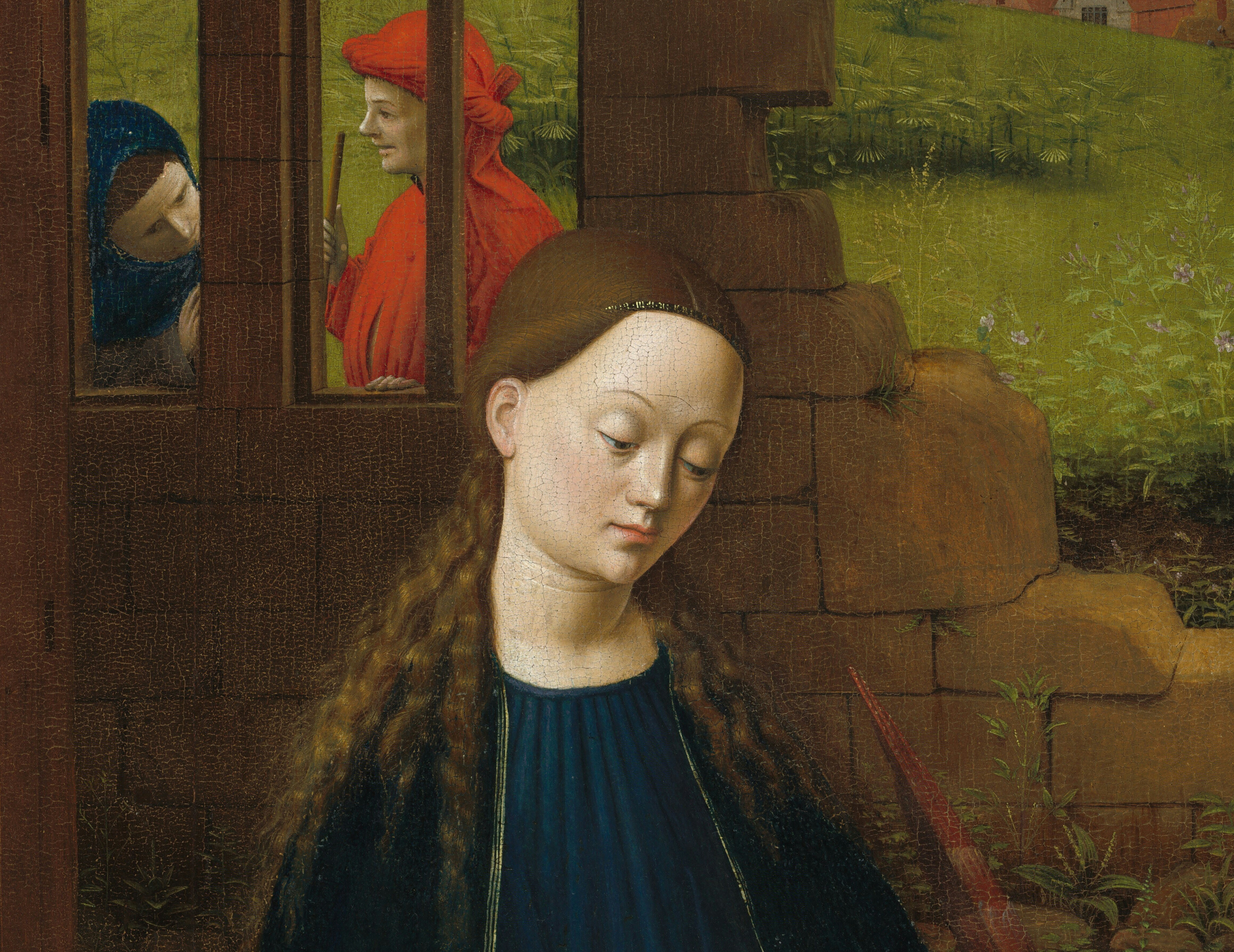
Faith in Jesus, the Son of God, did not arise suddenly but developed progressively according to the cultural context in which Christianity spread. The narratives about His birth represent a specific stage within a process that can still be described in light of the New Testament texts.
Christological developments in the New Testament: from Synoptic filiation to high Johannine Christology and the Council of Chalcedon
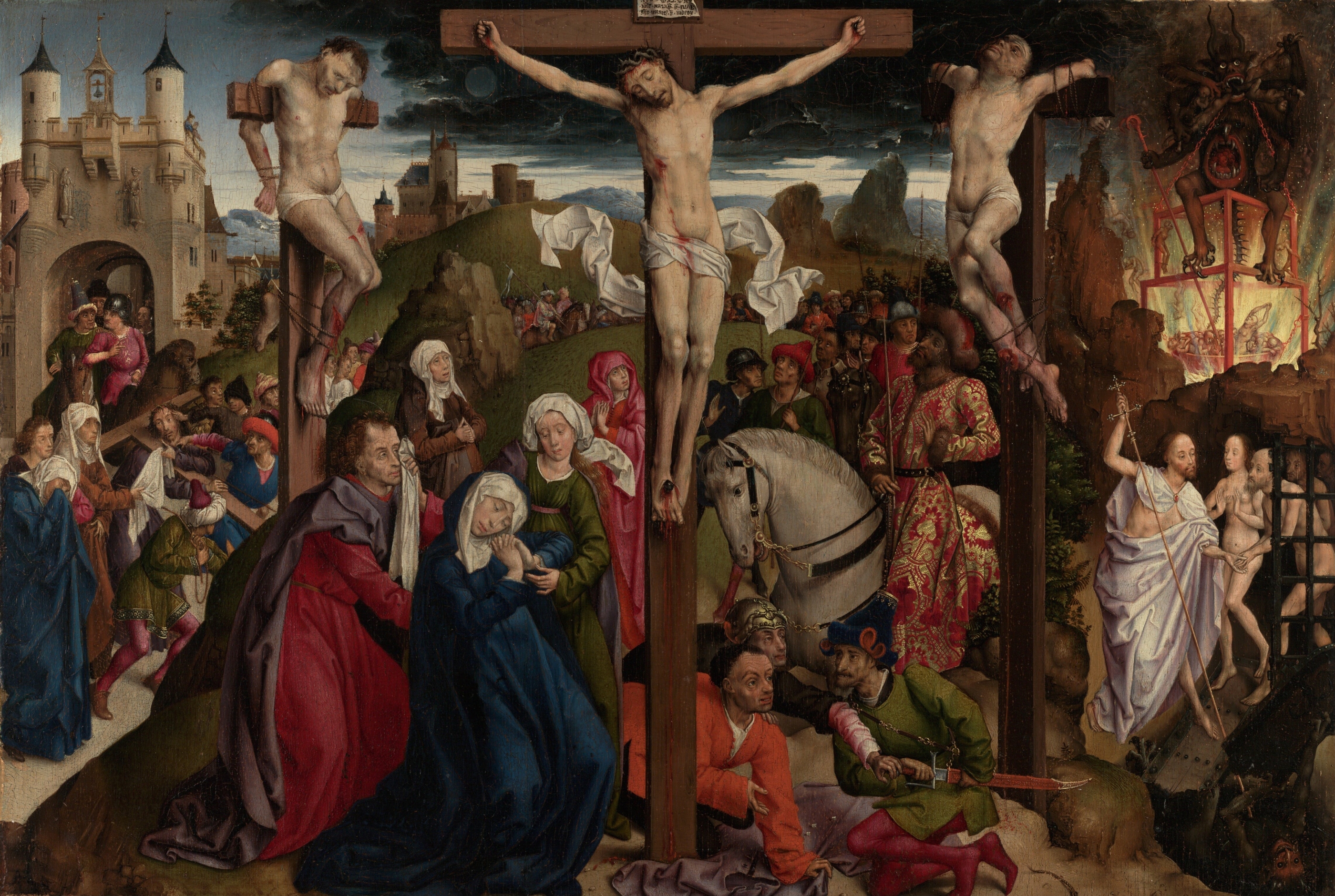
The Synoptic tradition does not record Jesus as having attributed to Himself the title “Son of God” at any point, although there are some allusions to His quality as a “son” (Matthew 11:25-27; Mark 12:6; 13:32). The Jewish tradition uses “son” to refer to someone close to the father, but the true meaning is debated. Surprisingly, in His prayer, Jesus addresses God calling Him “Father” with an intensity uncommon in Judaism.The Son of Mary uses the word “abba,” common among Jewish children when referring to their parents, in praying to God (Mark 14:36). This filial relationship is also evident in his submission to God’s will (Mark 14:32-40), in the constant need to imitate God’s way of acting (Matthew 5:48; Luke 6:36), in his intimate involvement with the kingdom that is coming (Mark 1:14-15), and in his mercy toward the last and excluded. But it is especially in his death on the cross that his radical fidelity to God and to suffering humanity, of which He fully partook, is manifested.After the announcement of His resurrection, these different aspects of Jesus’ human experience were interpreted by the early Christian communities in the light of biblical faith, where divine sonship is recognized for the people, the king, the righteous, and the Messiah. As a result, the title “Son of God” was attributed to Him, emphasizing His relationship with God as His representative.In the oldest layers of Christian faith
The divine sonship of Jesus was initially proclaimed in close relation to His resurrection from the dead. Peter, on the day of Pentecost, states: “Therefore let all the house of Israel know for certain that God has made Him both Lord and Christ, this Jesus whom you crucified” (Acts 2:36). Paul also declares in his letter to the Romans that Jesus was “designated Son of God with power, according to the Spirit of holiness, by the resurrection from the dead” (Romans 1:4).The dual sonship as the dogmatic foundation of Marian devotion
Within the context of faith in Jesus arises the exaltation of Mary as the virgin mother of the Son of God. In the three Synoptic Gospels, Mark and Matthew do not offer an explicit reflection on Mary, while Luke narrates the entire story of the birth and infancy of Jesus from the perspective of Mary.Luke presents Mary as the first to whom God’s plan was revealed, highlighting her faith, generosity, and spirituality. She is seen as someone who, in foreseeing the merits of the Son, was conceived without the stain of original sin.The Council of Ephesus (431) declared Mary “Theotokos”, Mother of God, recognizing that the personal unity of Christ implies that she who bore Him is the Mother of the Second Person of the Most Holy Trinity. The Council of Chalcedon (451) confirmed this doctrine, defining the two natures of Christ in one Person, making inseparable the divine filiation and the Marian filiation of Jesus.Graduate Studies in Mariology
Desire to deepen your formation in Mariology? Discover the Graduate Studies in Mariology from Locus Mariologicus – an academic formation that combines theological rigor, spiritual life, and the living tradition of the Church.
Would you like to study Mariology seriously?
This article draws on the works of the Locus Mariologicus library. The Postgraduate Programme in Mariology takes you to the same sources with academic guidance: Scripture, the Church Fathers and the Magisterium, from the first dogma to contemporary questions.

Responses