Mariological reflections during Advent: between liturgy and eschatology
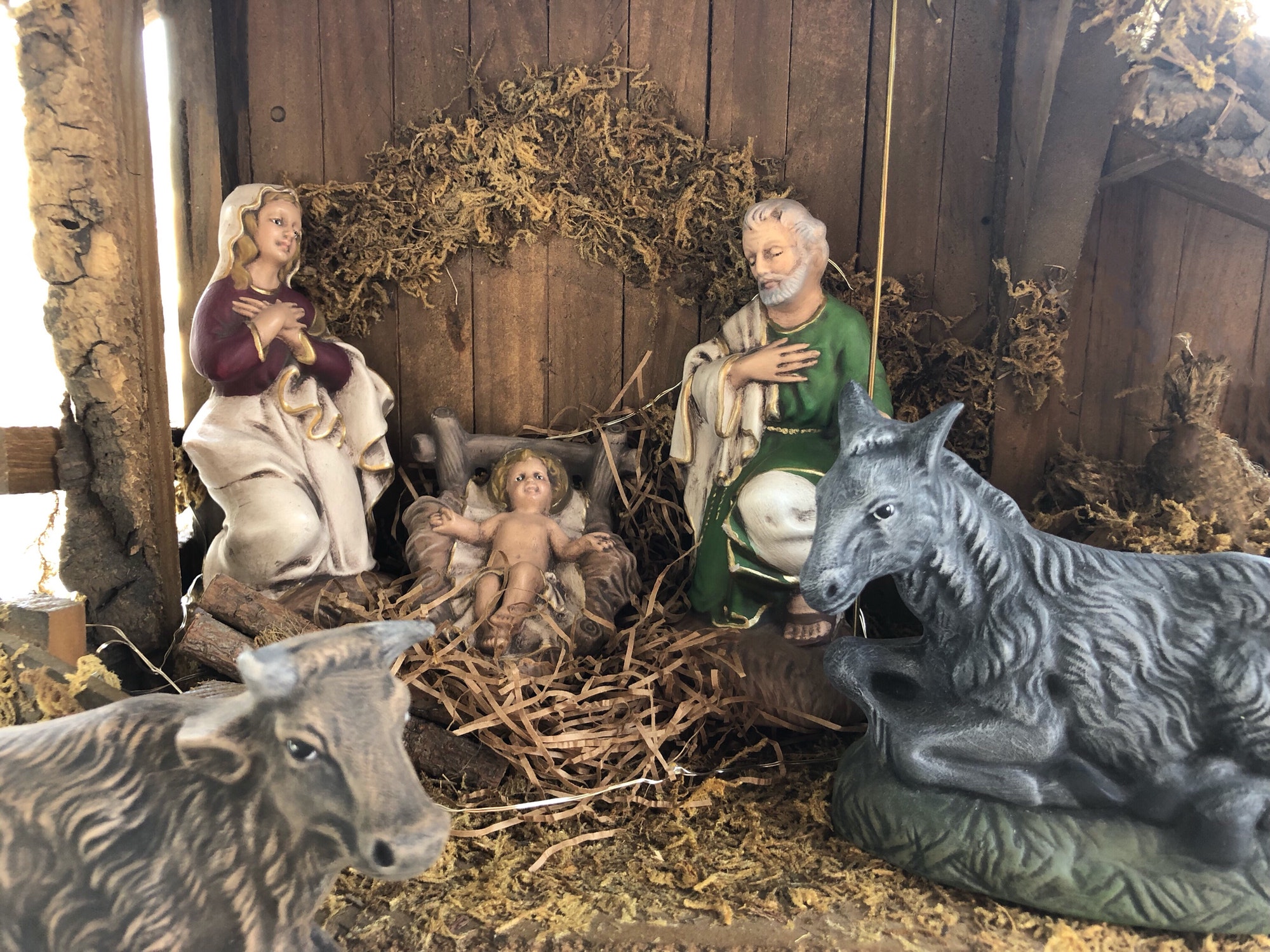
A Spiritual and Theological Journey in Advent
Advent is a liturgical period of preparation and expectation, during which the Church recalls the first coming of the Incarnate Word and awaits with vigilance His glorious second coming. This liturgical time is not limited to a simple countdown to Christmas but deeply integrates liturgical, mariological, and eschatological dimensions, forming an organic unity of faith and tradition.The Meaning of Prayers and Rites
The greater and lesser eucologies of Advent reveal the theological richness of this period. Each prayer offers an interpretive key to understanding Christ’s coming in its historical and eschatological duality. Through the rituals, one perceives how each gesture and word in the Advent liturgy reflects the spiritual journey of the faithful, preparing them to receive the divine.Mary as the Link between the Old and New Testaments
The liturgy of Advent, rich in sacred texts, highlights the mariological vision of this time. Mary represents the living bridge between the promises of the Old Testament and their fulfillment in Christ. In the prayers and celebrations of Advent, she is venerated not only as Theotokos (Mother of God) but also as the first faithful one, who received the Word of God with unshakable faith. Mary symbolizes the link between prophetic waiting and historical realization, between promise and salvific reality.Between the Incarnation and the Expectation of Return
Advent is characterized by a dual theological expectation: it celebrates Christ’s first coming in the Incarnation while awaiting with hopeful vigilance His glorious second coming. This eschatological tension invites us to contemplate the dynamic balance between memory and hope, between present reality and future promise.Reflecting the Duality of Already and Not Yet
The liturgy of Advent reflects the fundamental structure of Christian faith, presenting the duality of *already* and *not yet*. Each prayer and rite expresses this tension, reminding that the Christian life is a continuous journey between present reality and eschatological fullness.Integrating Advent Reflections into Daily Life
In exploring these Advent reflections, it is important to consider how to integrate them into the daily life of the faithful. How can we live the richness of Advent in each day? It is proposed that there be a continuous incorporation of these lessons into the daily practice of faith, not as an end but as the beginning of a spiritual journey of discovery and transformation.The encyclical *Redemptoris Mater* by Pope John Paul II highlights Mary as the link between the Testaments and a model of Christian hope. For more information, access *Redemptoris Mater* (John Paul II) or explore related topics in Locus Mariologicus: Mariology, Marian Theology, Marian Apparitions, and Postgraduate Studies in Mariology.Graduate Studies in Mariology
Wishing to deepen your formation in Mariology? Discover the Graduate Studies in Mariology from Locus Mariologicus – an academic formation that combines theological rigor, spiritual life, and the living tradition of the Church.


Responses