Luminous Mysteries: An Inheritance from Saint John Paul II
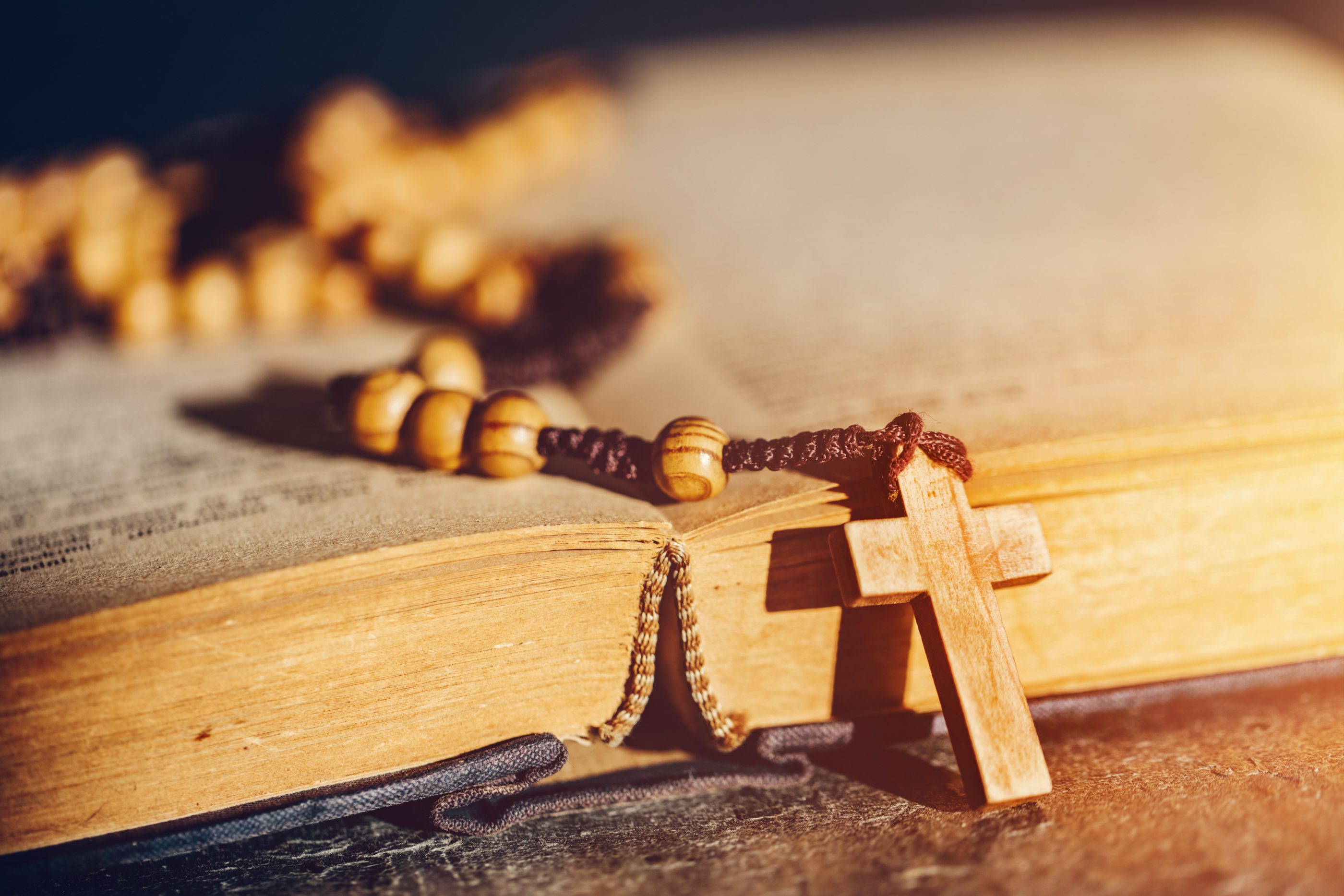
When John Paul II added five mysteries to the Rosary in October 2002, his apostolic letter *Rosarium Virginis Mariae* did not merely propose new themes for meditation. He made a hermeneutical choice about what constitutes “light” in the ministry of Jesus and about Mary’s place in these mysteries. The decision to include precisely these five moments, rather than other equally significant ones from Christ’s public life, follows a mariological and contemplative logic that this article examines in light of the theological foundations of the *Rosarium* and the tradition of the Rosary.
Introdução dos Mistérios Luminosos no Rosário: Uma Profunda Reflexão Teológica e Mariológica
The introduction of the Luminous Mysteries into the Rosary, an innovation by John Paul II, is not merely a devotional addition but a profound theological and mariological reflection. Light, a central element in the Christian narrative, serves as a metaphor for divine revelation in Christ. This light is not merely symbolic but a representation of the very essence of Jesus, as expressed in Jn 8,12: “I am the light of the world”. This light offers man not only physical guidance but also spiritual and moral illumination, lighting the way to be followed.
Maria e a Luz de Cristo: A Centralidade Cristológica dos Mistérios Luminosos e o Papel Materno de Maria
Mary, in the Catholic tradition, is seen as the mother and source of the light that is Christ. She holds a singular role in the Church, offering a path to contemplate the mystery of God and of Christ. Through her experience and adoration, Mary provides a model of deep, empathetic, and polysemic theological reflection, presenting different facets of the mystery of kenosis (self-emptying) and the glory of Christ.
Exegese Lucana dos Momentos Marianos: Da Anunciação ao Espanto com as Palavras de Simeão
The Gospel of Luke offers a rich exegesis of Mary’s experiences, ranging from her initial disturbance with the Annunciation to her wonder at Simeon’s words about Jesus. Each of these moments reveals Mary’s deep response to the events of salvation, highlighting her faith, obedience, worship, and the ability to keep and ponder the mysteries of God in her heart.
Da Via Crucis de João Paulo II ao Rosário da Virgem Maria (2002): A Evolução do Rosário e os Cinco Mistérios Luminosos
The introduction of the Luminous Mysteries into the Rosary is a continuation of John Paul II’s effort to deepen and enrich devotional practices, similar to his modifications in the Way of the Cross. These mysteries, such as the Baptism in the Jordan, the Announcement of the Kingdom, the Transfiguration, and the miracle at Cana, reflect decisive moments in Christ’s life, offering new perspectives for Christian meditation.
Maria Discípula e Intercessora Segundo o Rosário da Virgem Maria: Integrada nos Interesses Messiânicos do Filho
John Paul II emphasizes how Mary, throughout her journey, became the perfect disciple, completely integrated into the messianic interests and the salvific will of the Son. In heaven, she continues this mission through her maternal intercession. The Rosary, therefore, becomes not only a meditation but also an act of love for Christ and Mary, a spiritual journey that aligns with the heart of Christ.
O Rosário e os Mistérios Luminosos como Caminho de Paz: O Ano do Rosário 2002–2003 e o Magistério de João Paulo II
The innovation of the Luminous Mysteries, just like the practice of the Rosary itself, goes beyond mere devotional repetition. It is a path to peace, love, and communion in the Church and in the world. Through the meditation on the mysteries of Christ’s life and the intercession of Mary, the Rosary calls the faithful to renewed love and a deeper participation in the mystery of Christ and the Church, affirming itself as an act of faith and devotion that transcends time and space, uniting the faithful on the journey toward holiness.
The mysteries of light and the role of Mary as mediator of divine light find their foundation in Pope John Paul II’s encyclical Redemptoris Mater, which contemplates Mary as a perfect disciple and maternal intercessor. Read more in Redemptoris Mater (John Paul II).
Aprofunde seus estudos: explore Mariologia, Teologia Mariana, Aparições Marianas e a Pós-Graduação em Mariologia.
Graduate Studies in Mariology
Wish to deepen your formation in Mariology? Discover the Graduate Program in Mariology from Locus Mariologicus, an academic formation that combines theological rigor, spiritual life, and the living tradition of the Church.
Learn how to pray the Rosary in our guide: How to Pray the Rosary, step by step.

Responses