The role of the Church and the Bishop of Rome in Marian piety and theological doctrine
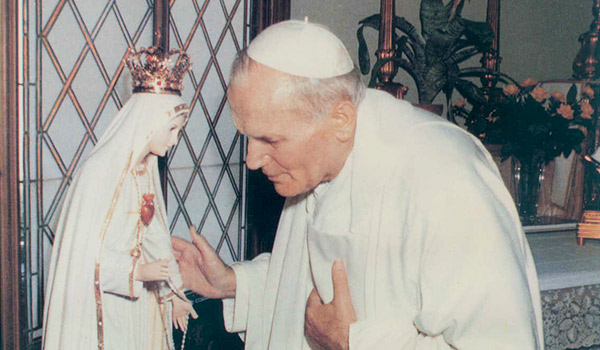
Introdução: o papel da Igreja e do papa na piedade mariana
!Bispo de Roma e o papel da Igreja na piedade marianaThe Marian piety and the theological doctrine related to the Virgin Mary hold a prominent place in the faith and practice of the Catholic Church. The veneration of Mary as the *Mother of God* (*Theotokos*) was consolidated since the earliest ecumenical councils, and her figure has been a constant source of devotion, theology, and reflection within the Church. The role of the Bishop of Rome, as the spiritual leader of the Catholic Church, has been fundamental in guiding and defining Marian piety and theological doctrine about Mary.The historical importance of the Bishop of Rome
Since the earliest centuries, the Church has revered Mary for her unique role in the history of salvation. This veneration was progressively enriched by liturgical traditions, prayers, feasts, and theological doctrines. The Bishop of Rome played a crucial role in validating and promoting these practices, ensuring that the veneration of Mary remained within the bounds of Christian orthodoxy and contributed to a deep understanding of the mystery of Christ.Throughout history, several popes have proclaimed Marian dogmas, reaffirming the theological position of Mary in the Church. Among them are:– **Immaculate Conception**: Pius IX proclaimed this dogma in 1854, affirming that Mary was conceived without the stain of original sin due to the future merits of her son, Jesus Christ. – **Assumption of Mary**: Pius XII defined this dogma in 1950, teaching that Mary, at the end of her earthly life, was raised body and soul to heavenly glory.These dogmas not only highlight the holiness and importance of Mary but also reinforce the role of the Pope as guardian of faith and doctrine.Promotion of Marian devotion
The popes have also played a vital role in promoting Marian devotion, approving apparitions, shrines, and devotional practices. Places like Lourdes in France and Fátima in Portugal have become centers of pilgrimage and sources of spiritual renewal, with papal endorsement reinforcing their importance to the Catholic faith.In addition, the popes frequently dedicate encyclicals and documents to the Virgin Mary, exploring her theological and spiritual importance. John Paul II, for example, was known for his strong Marian devotion, reflected in his encyclical *”Redemptoris Mater”* and in his papal motto *Totus Tuus*, which expresses his total consecration to Mary.The Second Vatican Council and the Understanding of Mary
The Second Vatican Council also brought a new perspective on the understanding of Mary in the Church. The dogmatic constitution *”Lumen Gentium”* dedicates an entire chapter to Mary, integrating her more fully into the mystery of Christ and the Church, and highlighting her role as a model of faith and discipleship.The Contemporary Relevance of Mary
In the contemporary context, the Bishop of Rome continues to emphasize the relevance of Mary for the life of the Church and the world. Papal messages and teachings frequently point to Mary as a model of faith, hope, and charity, as well as a powerful intercessor before God.The Vigilance of the Marian Magisterium and the Proclamation of Dogmas
The magisterium of the Catholic Church, exercised primarily by the Pope and the bishops in communion with him, plays a crucial role in safeguarding and transmitting apostolic faith. In the field of Mariology, the magisterium acts with particular diligence, ensuring that devotion and doctrine related to Mary are aligned with the fundamental truths of Christianity. This responsibility includes the proclamation of dogmas of faith, which are truths revealed by God and therefore obligatory for the belief of the faithful.Significant Marian Dogmas
Among the most important Marian dogmas proclaimed by the Church are:– **Divine Motherhood of Mary**: This dogma, proclaimed at the Council of Ephesus in 431, affirms that Mary is truly the *Mother of God* (*Theotokos*) because her son, Jesus, is one Person with two natures, divine and human. – **Perpetual Virginity of Mary**: This dogma affirms that Mary remained a virgin before, during, and after the birth of Jesus, emphasizing her exclusive consecration to God. – **Immaculate Conception**: Proclaimed by Pius IX in 1854, this dogma declares that Mary was conceived without the stain of original sin due to the future merits of her son, Jesus Christ. – **Assumption of Mary**: Defined by Pius XII in 1950, this dogma teaches that Mary, at the end of her earthly life, was raised body and soul into heavenly glory.### The Continued Role of the Magisterium These dogmas reflect the vigilance of the magisterium in the field of Mariology, ensuring the preservation and promotion of the true doctrine about Mary. Furthermore, the magisterium guides the faithful in understanding and practicing Marian devotion through teachings, homilies, documents, and responses to doctrinal questions. This work is essential for maintaining the integrity of faith and helping the faithful better understand Mary’s singular role in the divine plan of salvation.## Conclusion: Mary and the Theological Doctrine of the Church’s Magisterium The role of the Magisterium in Marian piety and the proclamation of dogmas about Mary finds synthesis in the encyclical *”Redemptoris Mater”* (John Paul II), a fundamental document that deepens the role of Mary in redemption and in the life of the Church.We recommend for deepening your studies: – Mariology – Marian theology – Marian apparitions – Postgraduate in MariologyGraduate Studies in Mariology
Wishing to deepen your formation in Mariology? Discover the Graduate Studies in Mariology from Locus Mariologicus – an academic formation that combines theological rigor, spiritual life, and the living tradition of the Church.
Would you like to study Mariology seriously?
This article draws on the works of the Locus Mariologicus library. The Postgraduate Programme in Mariology takes you to the same sources with academic guidance: Scripture, the Church Fathers and the Magisterium, from the first dogma to contemporary questions.

Responses