The Virgin Mother, Prophet and Church in Advent
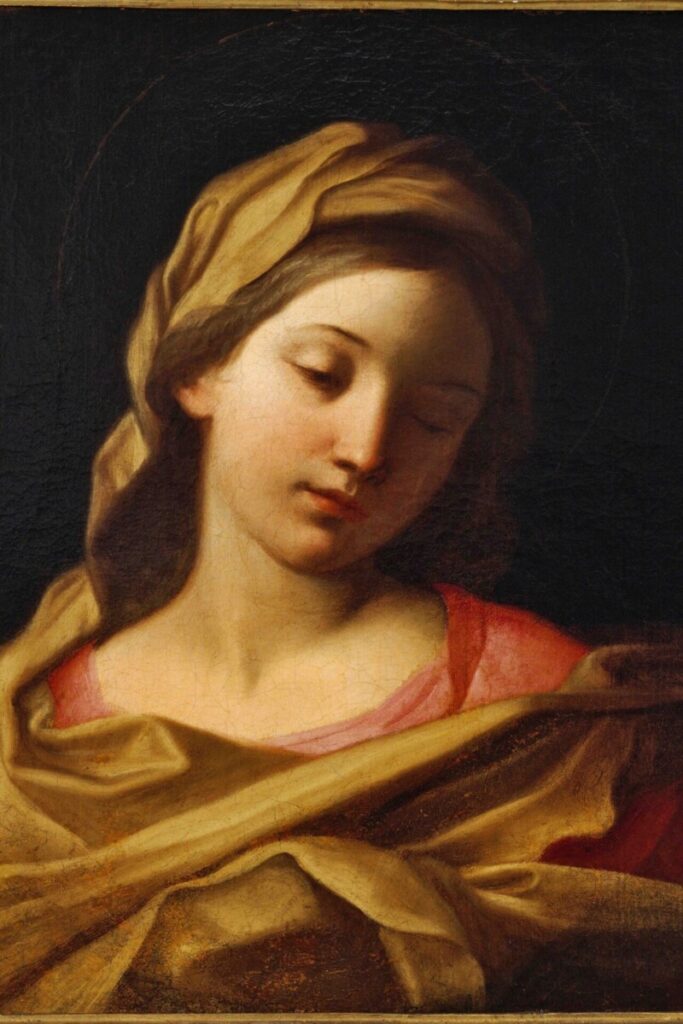
Maria: Mother, Prophet, and Image of the Church in AdventThe woman of the fullness of timesMary is described as the “woman of the fullness of times” (Gal 4,4-7), marking the end of an era and the beginning of the future. God revealed His merciful and faithful power before the Virgin, just as He had once given charismatic children to barren women to save the people. Examples include Isaac from Sarah, Samson from Manoah and his wife, Samuel from Hannah, and John the Baptist from Elizabeth.The exceptional nature of Mary’s electionThe birth of John the Baptist (Lk 1,7) is cited to highlight the uniqueness of Mary’s election: being not only the mother of a savior but of The Savior. Luke emphasizes divine motherhood as an expression of God’s sovereign love for us, men, and for our salvation. In wanting to deeply redeem humanity, God identified with us through His entry into the lineage of Adam, passing through Mary.Confession of the Virgin MotherSince the Council of Ephesus (431), the Church confesses that the Virgin is the “Mother of God,” recognizing the humanity of the Word, who is present in Mary. This divine motherhood symbolizes full freedom and openness to the Kingdom of God, anticipating celibacy for the kingdom through radical fidelity to God.The Prophetic VirginityMary’s virginity is not a vow or moral escape but a response to prophetic eschatology. She is the first to fully experience life by which her Son is both God and man. The meaning of virginity lies at the peak of eschatological impulse and tension, reflecting the “a hundred times” mentioned in Matthew 19:29, symbolizing messianic goods.The Annunciation and Incarnation as Marks of MaryThe Annunciation and the Incarnation are defining events in Mary’s life, marking her with an indelible character. They demand from her absolute virginity, demonstrated by her physical integrity. Mary’s virginity allows the Spirit to form her body and heart, making her the temple of the new covenant.Mary as a Type of the ChurchMary’s faith, expressed in her “fiat,” makes her a model for the Church and Christians. Just as the word of God bursts unexpectedly into history, demanding unprecedented responses, Mary’s life reflects the need to conform one’s life to the impulses of the Spirit. She is the mirror that the faithful must look to in order to follow divine impulses.The Gospel of Infancy and the ChurchThe Gospels of infancy present parallels with the Acts of the Apostles, suggesting that Mary is a type of the Church. The visit to Elizabeth and Mary’s subsequent mission reflect the impulse of the Spirit in the evangelizing mission of the Church. Mary’s virginity becomes the sign that characterizes the time of the Spirit, along with her maternal function.Final Prayer*Hymn for the Solemnity of Saint Mary, Mother of God:*Raiz judaica floresce,
a virgem mãe dá à luz.
Maria ao mundo oferece
quem vem salvá-lo: Jesus.No manto azul agasalha
e envolve o Filho de Deus.
Reclina em berço de palha
quem com seu Pai fez os céus.Desponta um sol mais fecundo,
da morte funde os grilhões.
Maria traz Deus ao mundo,
vinde adorá-lo, nações!For a deeper exploration, consult the encyclical *Redemptoris Mater* by John Paul II on the role of Mary in the life of the Church.
Graduate Studies in Mariology
Wishing to deepen your formation in Mariology? Discover the Graduate Studies in Mariology from Locus Mariologicus, an academic formation that combines theological rigor, spiritual life, and the living tradition of the Church.
Would you like to study Mariology seriously?
This article draws on the works of the Locus Mariologicus library. The Postgraduate Programme in Mariology takes you to the same sources with academic guidance: Scripture, the Church Fathers and the Magisterium, from the first dogma to contemporary questions.

Responses