Aristide

Aristide
Aristide é um dos primeiros apologistas cristãos, provavelmente ateniense.
O que é a Apologia?
Rational defense of the Christian faith in God, Christ, the Church, and the common sense of all men. The arguments were generally directed towards Gentiles or Jews. Also in non-Catholic Christian communities, for more hesitant members of the Church, or simply for the faithful who wish to deepen their faith with awareness, as Saint Peter says: “But sanctify Christ as Lord in your hearts. Always be ready to give an answer to anyone who asks you for a reason for the hope that is in you” (1 Pet 3:15).
To defend Christianity, Aristides wrote a work addressed to Emperor Adrian (117-138) and Antoninus Pius (138-161), called the Apology.
The work is divided into 17 chapters where it defends the reasons for monotheism and the existence of a God who is the creator and preserver of the universe.
In this work, Aristide divides humanity into four groups: the Barbarians, the Greeks, the Hebreus, and the Christians. The latter are those who have an exact notion of the true God and perform authentic worship, with a superior understanding, distinguished by their integrity of life.
Apology and Marian Theology
The Apology aims to critique polytheism and barbarian magic, denouncing Greek mythology as absurd (ad absurdum). It criticizes Jews for the externality of their worship and superstitious way of living, while respecting their conception of God. For Aristides, Christians are a new people originating from Jesus Christ, the divine Man, though he critiques the deification of man by pagans.
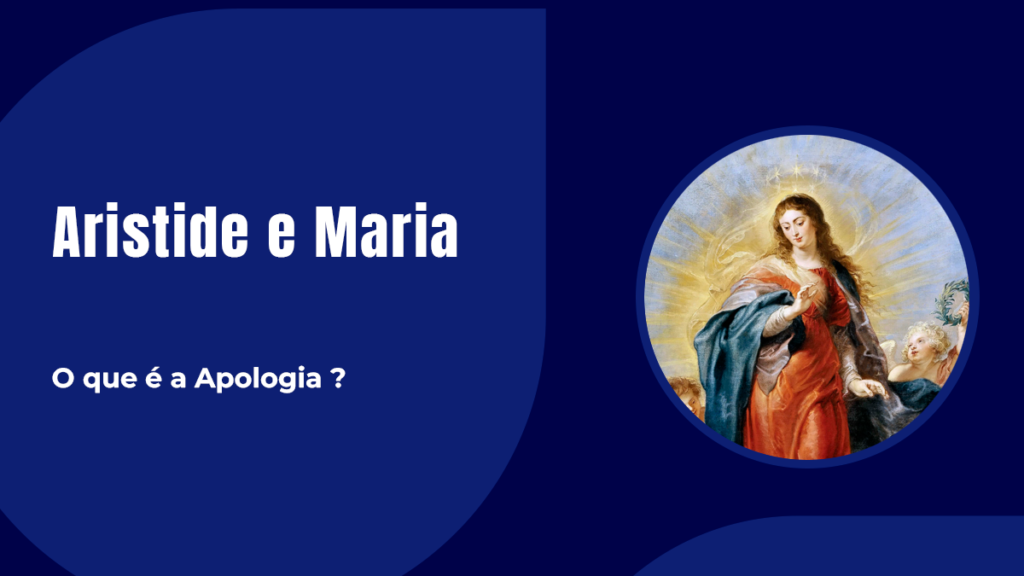
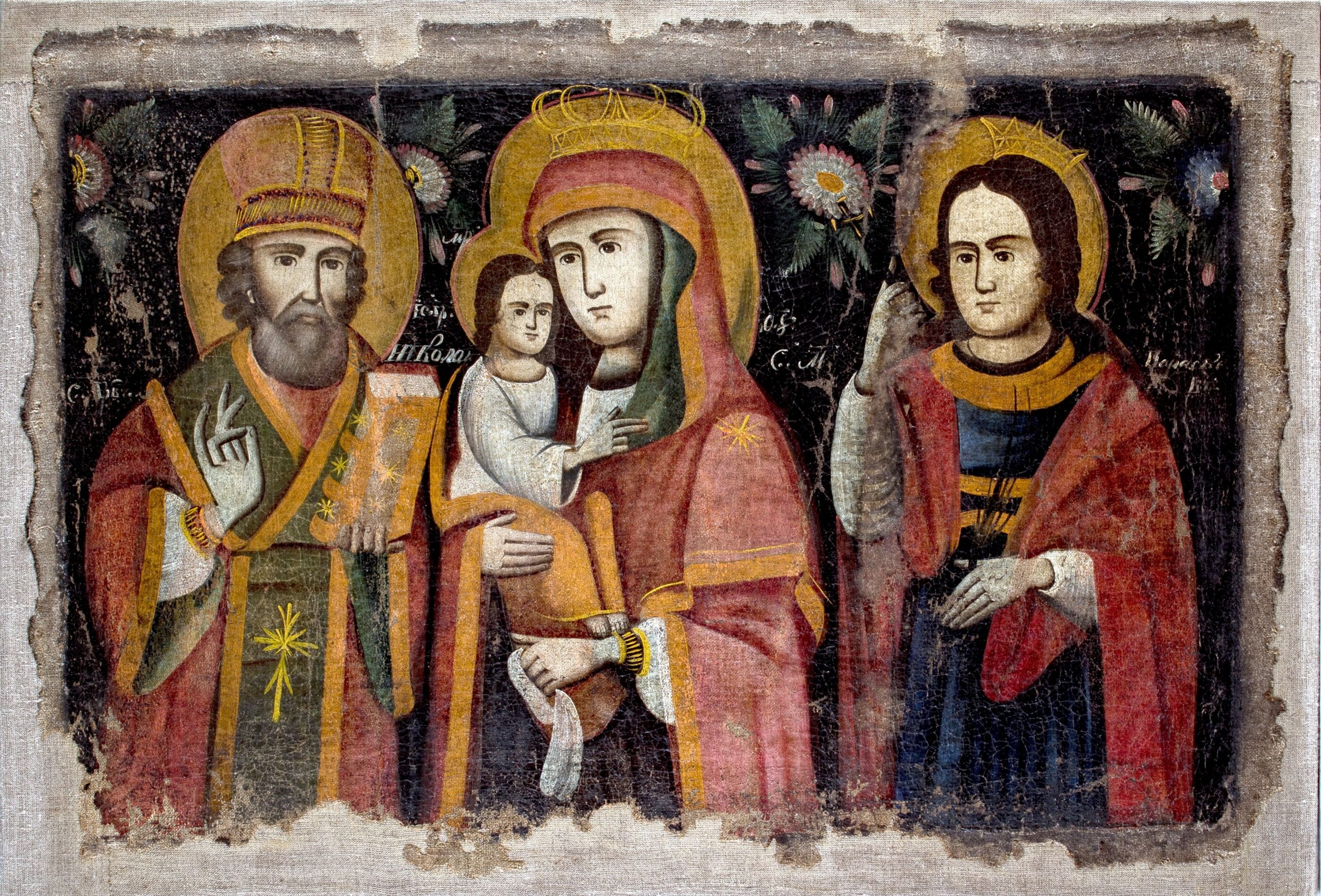
The Apology has survived primarily in Syriac and Armenian versions, with the Greek text largely lost. This work contains a significant Marian text in Syriac, valuable for its ancient date and as a witness to 2nd-century Mariology. Here, Mary is invoked as a “Hebrew virgin,” “daughter of man,” contrasting Jesus as “Son of God.”
A Quote from the Apologist:
“The Christians trace the beginning of their religion to Jesus Christ, who is called Son of God Most High. It is said that God descended from heaven and took flesh from a Hebrew virgin, and dwelt in the daughter of man, the Son of God.” (Apology II, 6-7)
For deeper exploration of Marian theology and the testimony of the Apologists on Mary, refer to Pope John Paul II’s encyclical Redemptoris Mater.
Further Study:
- Mariology
- Marian Theology
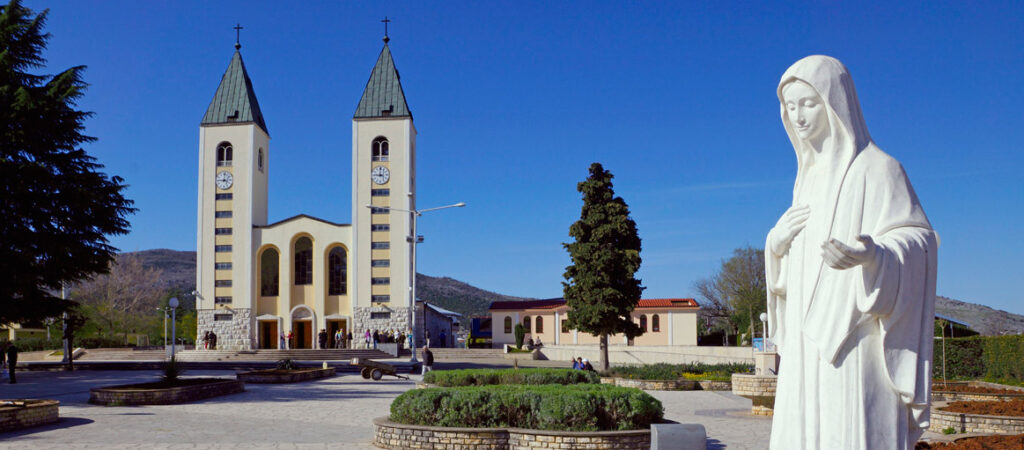
- Marian Apparitions
- Postgraduate Studies in Mariology


Responses