Post-Conciliar Reinterpretation of the Consecration to Mary
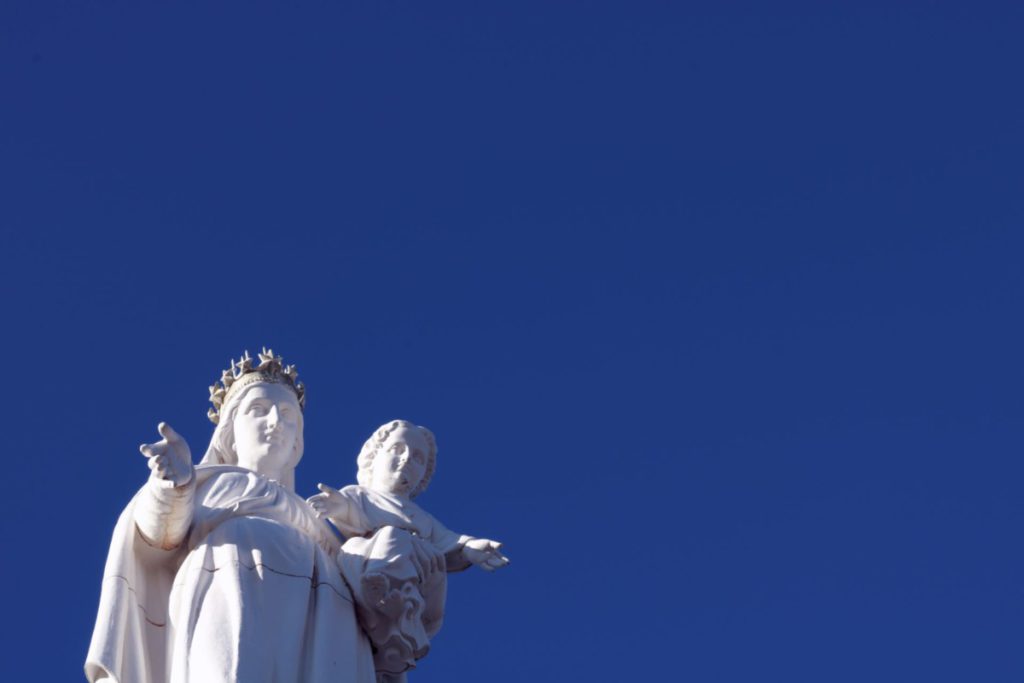
Dedication to Mary is one of the deepest expressions of Catholic spirituality. This dedication to Mary, renewed by Vatican II, is articulated with the method of Saint Louis Marie Grignion de Montfort and was exemplarily lived out by Saint John Paul II. The post-conciliar re-reading of the dedication to Mary recovers its most authentic theological sense: living every Christian life in a filial relationship with the Mother of God. We present here the theological foundations and current practice of the dedication to Mary in light of Vatican II.
Releitura pós-conciliar da consagração a Maria: novos horizontes
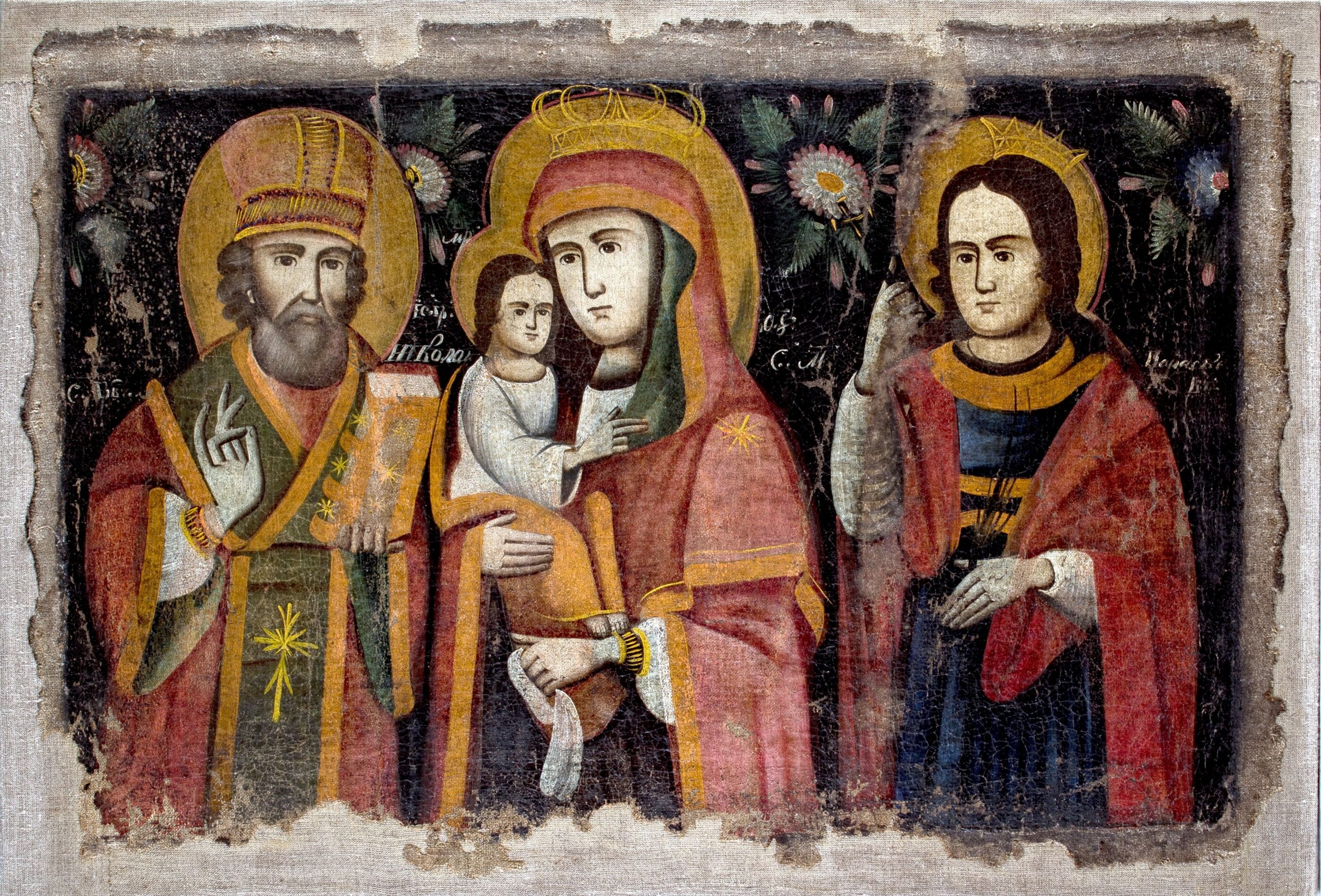
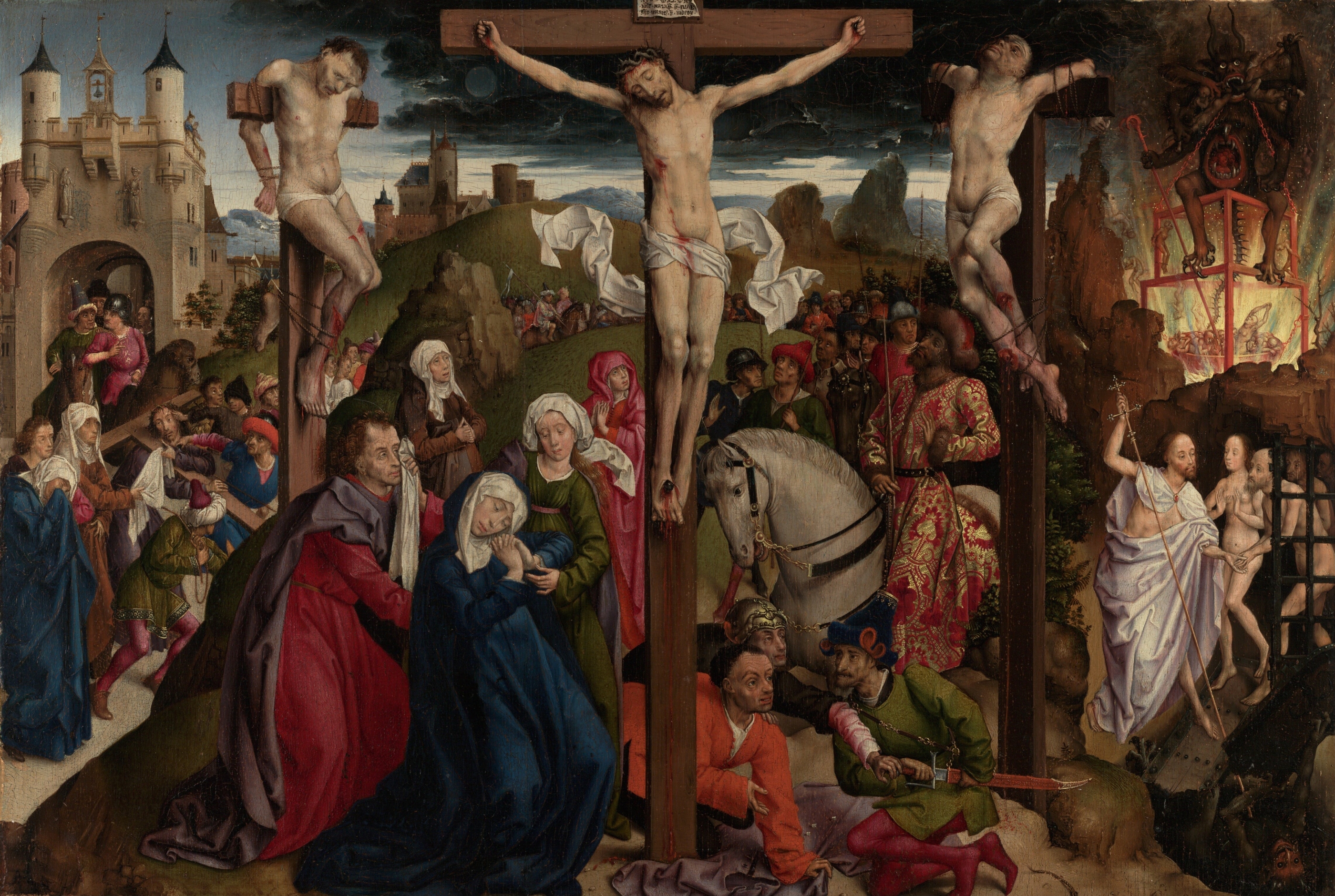
The Paschal mystery, the heart of Christian proclamation, is always the starting point for reflecting on Mariology. The dawn of the glorification of the Son in God the Father and the testimony of the Holy Spirit in the nascent Church, together with the gift of the Mother to the beloved disciple, are recorded in the Gospels. In this context, Jesus’ last words on the cross, “Behold your mother” (Jn 19,27), mark the beginning of the reciprocal relationship between Mary and the Community of disciples.
Over the centuries, Christian worship and liturgy have incorporated biblical elements, especially those related to Easter. The figure of Mary gained prominence, becoming increasingly central in popular devotions. Maria’s messianic motherhood developed until, at the cross and in the Cenacle, we witness an extension of this motherhood to the entire Church.
A Espiritualidade da Consagração
The act of “reception” (used in this text as a synonym for consecration) has become a common practice over the centuries, driven by the great reform of biblical mariology. The word reception expresses the intimate relationship between Mary and the faithful with God the Trinity, source and destination of all faith.
In the Christian tradition, piety is a response to the ecclesial and personal conviction of being in relation with Mary. Nations and individuals consecrate themselves to the “Mother of God,” seeking her protection against the evils of daily life.
Illustrating this historical practice, Ildefonso of Toledo (d. 667) speaks of being “servants of the Servant of my Lord,” uniting service with Mater Domini. John of Damascus (d. 749), in a homily, records the first historical use of the expression consecration as the total offering of oneself to Mary:
We also present ourselves to you, O Sovereign, yes we repeat it, O Sovereign, Virgin Mother of God. We bind our souls to you, our hope… like an unbreakable anchor, consecrating ourselves to you, soul, body, our entire being.
A Consagração a Maria após o Concílio Vaticano II
The act of consecration to Mary gained strength and popularity in Catholic circles until the Second Vatican Council (1962-1965). After the Council, due to the need for revision, there was a temporary eclipse of this practice. However, the Council was not against Mary; on the contrary, never in the history of the Church has so much been written about her.
In 1967, Paul VI, in *Signum Magnum*, invited the faithful to consecrate themselves to the *Immaculate Heart* of Mary and “to live this most noble act of worship with a life ever more conformed to the Divine Will”.
Desafios Linguísticos e Teológicos
The expression consecration presents linguistic and theological challenges. It indicates the work of God, the mission of Christ, the ministry of the Church, a sacrament of salvation, dedicatio of the faithful to God and His Kingdom. Theologians often resort to analogy and metaphor to express complex spiritual concepts.
In the Mariological context, it is crucial to preserve the identity and mission of the Mother of God without obscuring the absolute transcendence and independence of the Son of God in His relationship with creatures and in cooperation with Mary.
Valor do Acolhimento (Consagração) a Maria
O acolhimento (ou consagração) a Maria, apesar dos desafios linguísticos, tem um valor espiritual significativo:
- É um sacramental, ou seja, um ato que, embora não realize o significado divino, realiza-o através do empenho do fiel em imitar Maria para encontrar linhas espirituais para seguir a Cristo.
- A história dos Santos demonstra que a corresponsabilidade e cooperação do fiel com as promessas da consagração batismal podem ser ampliadas e fortificadas pelo acolhimento de Maria na vida do indivíduo.
Conclusão e Convite à Reflexão
To deepen the topic, consult the document Marialis Cultus by Paul VI on the veneration of Mary after the Second Vatican Council. Also explore other resources such as Mariology, Marian Theology, Marian Apparitions, and the Postgraduate Program in Mariology to expand your studies.
Comente abaixo: quais são suas dúvidas ou reflexões sobre a consagração a Maria?
Master’s in Mariology
Want to deepen your formation in Mariology? Discover the Master’s in Mariology from Locus Mariologicus, an academic formation that combines theological rigor, spiritual life, and the living tradition of the Church.
Would you like to study Mariology seriously?
This article draws on the works of the Locus Mariologicus library. The Postgraduate Programme in Mariology takes you to the same sources with academic guidance: Scripture, the Church Fathers and the Magisterium, from the first dogma to contemporary questions.
Responses