Who is Bernard of Clairvaux?
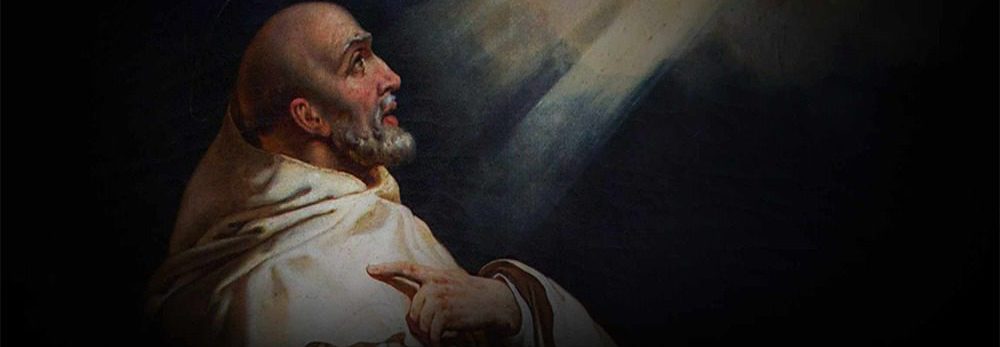
Bernard of Clairvaux (1090-1153): The Last of the Fathers and the Doctor of Affective Marian TheologyBernard of Clairvaux is, without doubt, the most prominent figure in the Cistercian family and a theologian who left a lasting mark on subsequent thought, even beyond the Order. Born in 1090 in Burgundy, the son of a knight, Bernard joined the Cistercian Order at the age of 22, contributing to the monastic renewal in Cîteaux. After three years, he was sent with brothers to found the monastery of Claravalle, dedicated to the Virgin Mary. He remained there until his death in 1153, serving as abbot and influencing both monastic life and ecclesiastical and secular affairs.Historical-Interpretive Vision of Bernard’s WorkBernard’s work is often divided into two currents of thought: one that praises him unconditionally as the “Marian Doctor,” and another that critically analyzes his theology. Despite the criticisms, the originality and density of his Marian thought are undeniable.Bernard’s Marian WritingsBernard is the author of an extensive Marian literature, including:
– Four Marian homilies (In Laudibus Beatæ Mariæ Virginis)
– Letter to the Canons of Lyon on the Immaculate Conception
– Homily for the Eighth Day of the Assumption on the 12 Marian prerogatives
– Homily on the Nativity of Mary (Sermo De aquæductu)
– First and fourth homilies of the AssumptionLiterary Style and Marian TheologyBernard is known for his poetic and refined literary style, which contrasts with the systematic and rational approach to theology. His monastic and contemplative vocation led him to cultivate a deep devotion to the Virgin Mary, making him both a devotee and later a Doctor of the Church.Devotion and ContemplationBernard’s Marian theology is characterized by profound devotio and a contemplative approach to divine mysteries. He prefers silence and meditation over philosophical argumentation, believing that many divine truths are ineffable. Bernard expresses this admiration and human limitation before God in his writings:There is nothing I enjoy more and at the same time frightens me more than preaching about the glory of the Virgin Mother… Meanwhile, through the devout contemplation of the shining star, more fervent comments will be prepared.
Mary as “Inventrix”
A significant term in Bernard’s writings is *inventrix*, meaning “she who finds.” He portrays Mary as someone who finds grace and also seeks it, highlighting her mediating strength and her role in the lives of Christians. This emotional view of the Virgin Mary is balanced by a deep theological understanding, combining devotion and science.Recommendation for Marian Devotion
To deepen Marian devotion inspired by St. Bernard, Pope Paul VI’s Apostolic Exhortation “Marialis Cultus” is a recommended reading. This document provides guidelines for the veneration and devotion to the Virgin Mary in the Catholic Church.Graduate Studies in Mariology
Desire to deepen your formation in Mariology? Discover the Graduate Studies in Mariology from Locus Mariologicus, an academic formation that combines theological rigor, spiritual life, and the living tradition of the Church.

Responses