Our Lady of Syracuse: The Tears of the Virgin
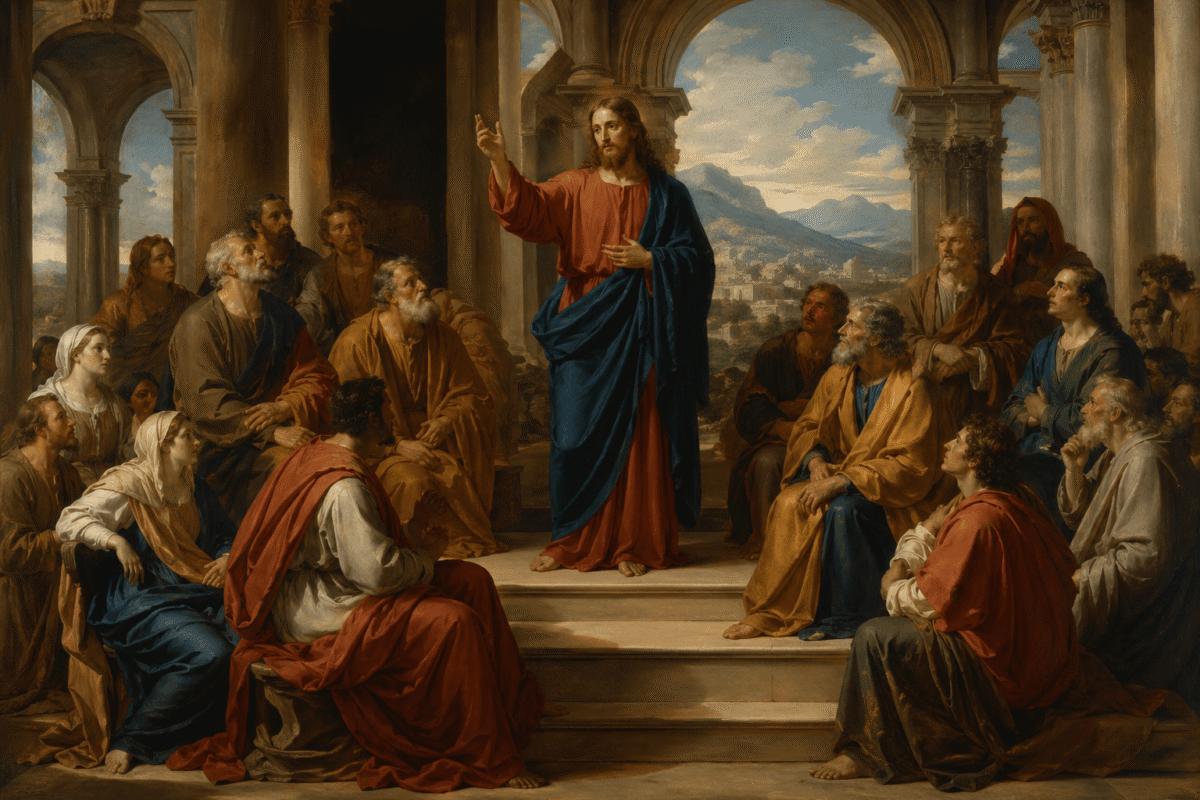
Our Lady of Syracuse: The Virgin’s Tears
In Syracuse (Sicily, Italy), from August 29 to September 1, 1953, a small plaster image of the Immaculate Conception was observed to weep tears over four consecutive days. The phenomenon was investigated by a medical commission and witnessed by thousands of people. The Italian Church recognized the event as supernatural.The Phenomenon
The image belonged to Antonina and Angelo Jannusso. Antonina was seriously ill. Upon gazing at the picture, she noticed it weeping. The tears were analyzed by a forensic laboratory and determined to be “human lacrimal fluid.” In December 1953, the Sicilian Episcopal Conference recognized the authenticity of the phenomenon.The Sanctuary of Madonna delle Lacrime
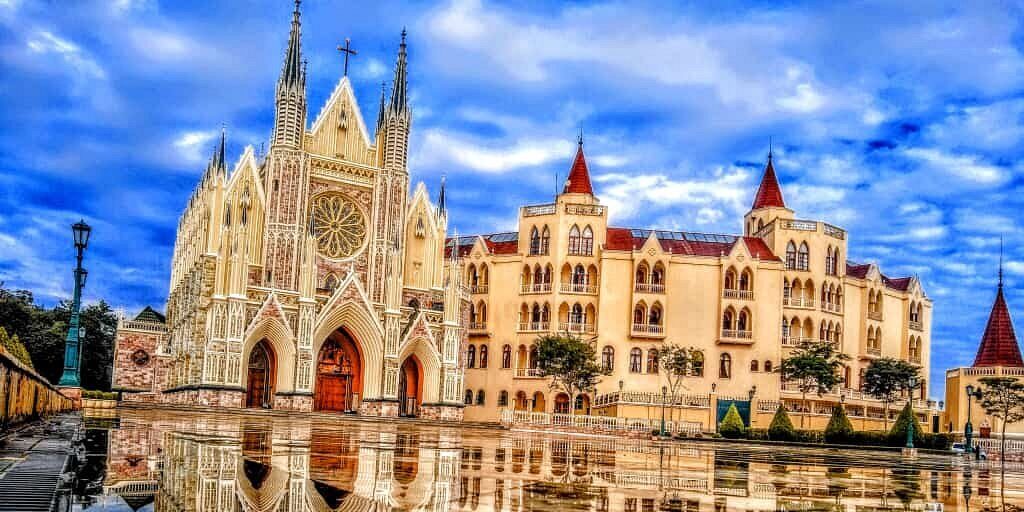
In 1994, the great Sanctuary of Madonna delle Lacrime was inaugurated in Syracuse, designed by architects Michel Andrault and Pierre Parat. Its giant tear-shaped concrete structure is one of the most original religious buildings of the 20th century. Pope John Paul II visited the sanctuary in 1994 and revered the weeping image.Spiritual Message
Mary’s tears in Syracuse were interpreted as an appeal for conversion during a post-war period marked by fear and de-Christianization. John Paul II said in Syracuse: *”Why do you weep, Mother? Your tears are an appeal to conversion, to return to God.”*Deepen your studies: Explore Mariology, Marian Apparitions, Theological Marian Studies, and Post-Graduate Mariology.—Church Magisterium
> *”The weeping of the image of the Most Blessed Virgin Mary in Syracuse (1953) has been recognized by the Sicilian Episcopal Conference. Pius XII stated: “Can she weep who reigns in heaven?”* > > – Pius XII, *Radio Message* (October 17, 1954)Post-Graduation in Mariology
Do you want to deepen your formation in Mariology? Discover the Post-Graduation in Mariology from Locus Mariologicus, an academic formation that combines theological rigor, spiritual life, and the living tradition of the Church.
Also see: Complete Guide to Marian Apparitions Approved by the Church
Dive deeper into the Perpetual Virginity of Mary.
Would you like to study Mariology seriously?
This article draws on the works of the Locus Mariologicus library. The Postgraduate Programme in Mariology takes you to the same sources with academic guidance: Scripture, the Church Fathers and the Magisterium, from the first dogma to contemporary questions.
Responses